
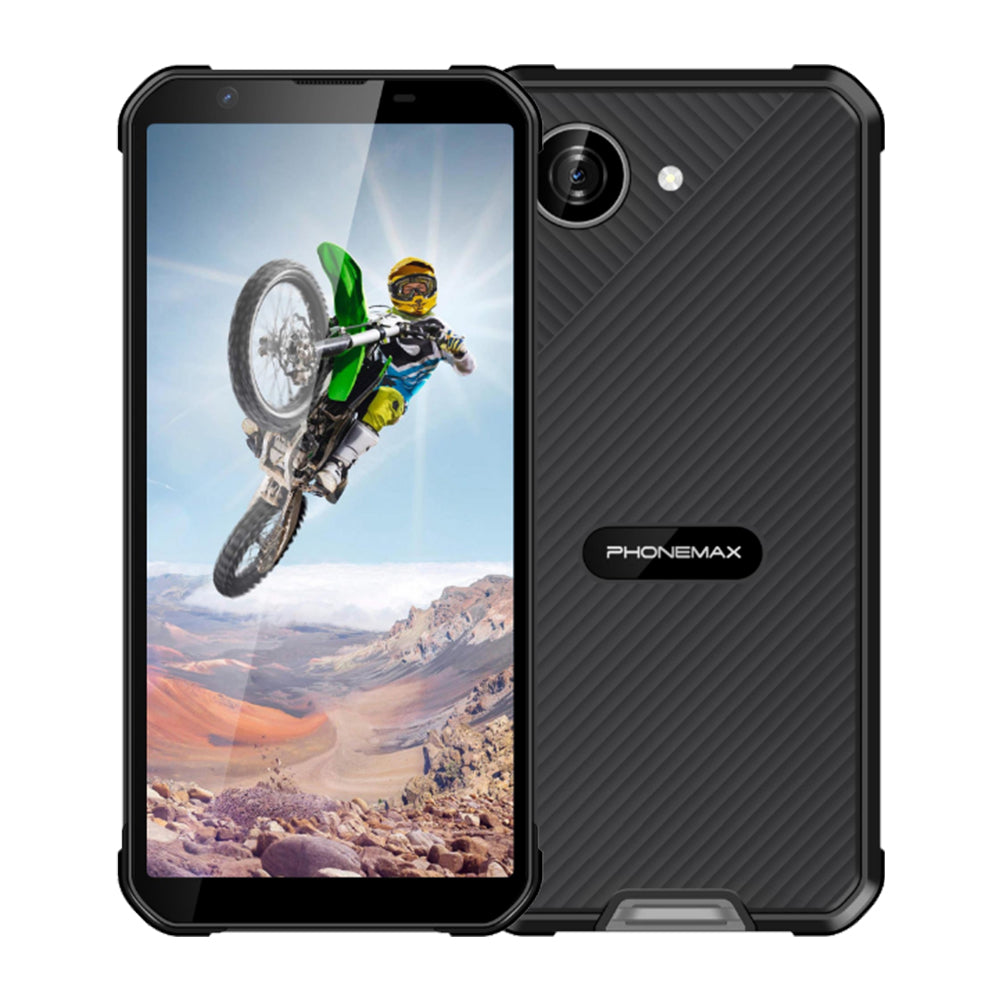
A sample with an IP68 report does not describe every unit leaving a factory. A buyer auditing a rugged-phone production line should connect the tested design with assembly controls, inspection records and the shipped batch.
Follow the sealing parts
Ask how the factory identifies gaskets, port covers, adhesives and housing revisions. Check the controlled drawing and approved part list for the quoted model. Where the process uses curing time or torque, ask how operators verify and record those settings. A substituted seal or an incompletely cured bond deserves an engineering review.
Distinguish type tests from line checks
An immersion report may validate representative samples. Production leak checks, when offered, are a different control and need their own limits and calibration records. Ask which units are checked, what happens after a failure and whether reworked phones are retested. Do not describe an internal air-leak screen as identical to a complete IP test.
Trace the purchased batch
Link the purchase order to the hardware revision, serial range, final inspection and packing record. Retain one approved reference unit and agree on how sealing-related changes are communicated. Ask the service team how a screen or port-cover repair is verified.
Phonemax comparison
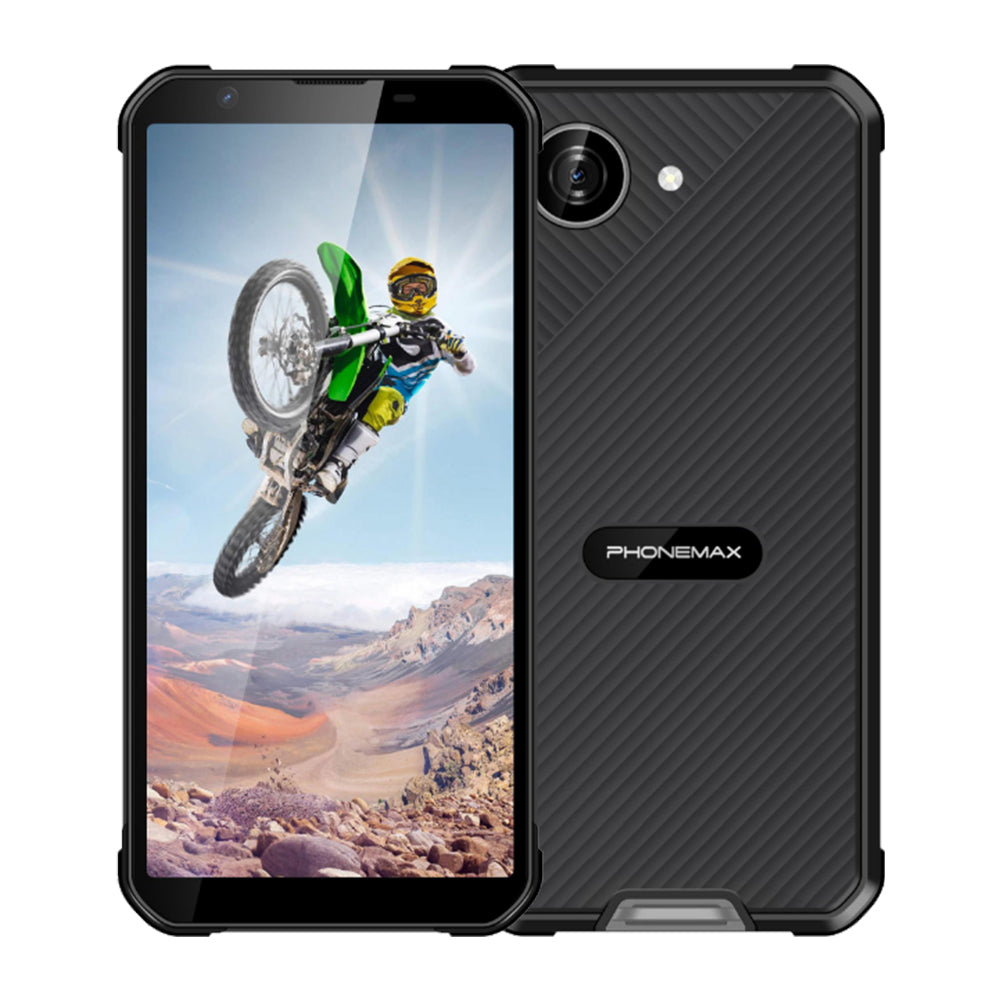
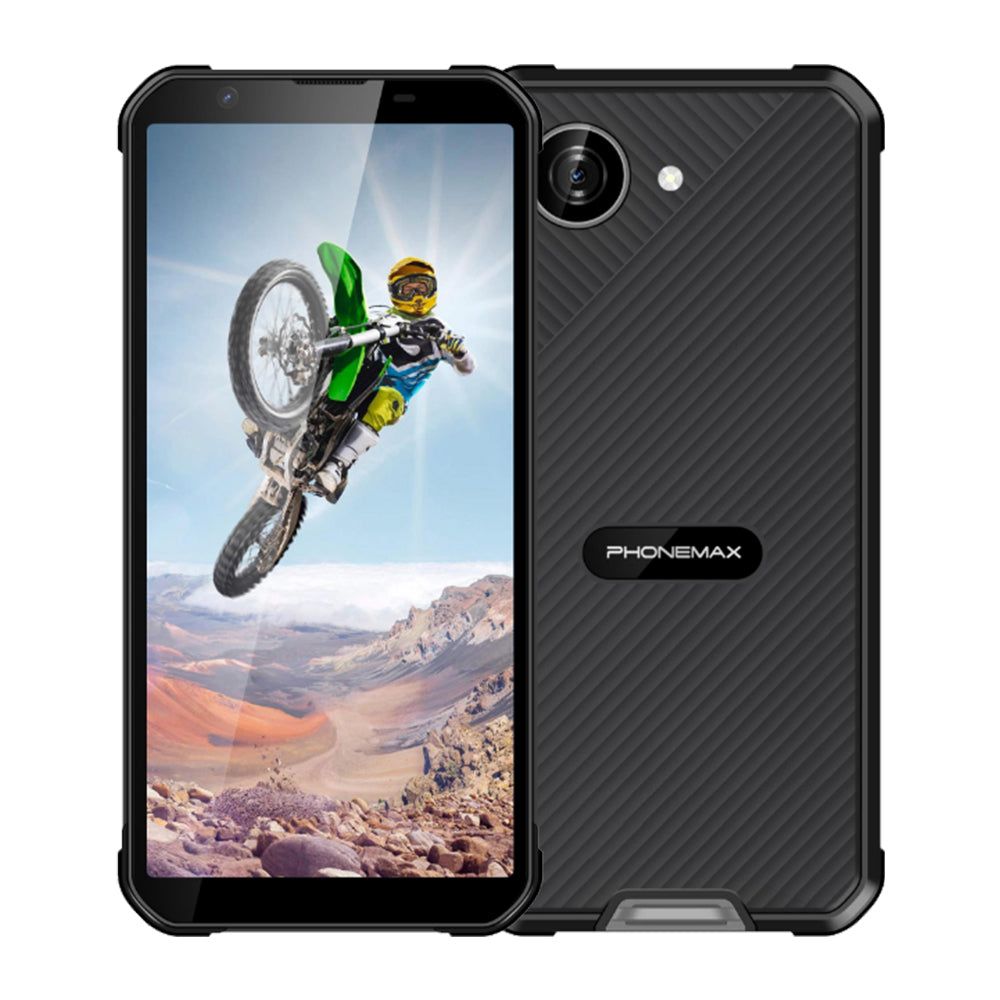
The X5 listing describes IP68 protection under specified laboratory conditions and requires properly closed protective covers. Those published conditions are the starting point for model selection. A factory audit should additionally obtain the controls used for the exact sale configuration; it should not invent a promise that every phone was individually immersed.

Αφήστε ένα σχόλιο
Όλα τα σχόλια ελέγχονται πριν δημοσιευθούν.
Αυτή η τοποθεσία προστατεύεται από το hCAPTCHA και ισχύουν η Πολιτική απορρήτου και οι Όροι Παροχής Υπηρεσιών του hCaptcha.