
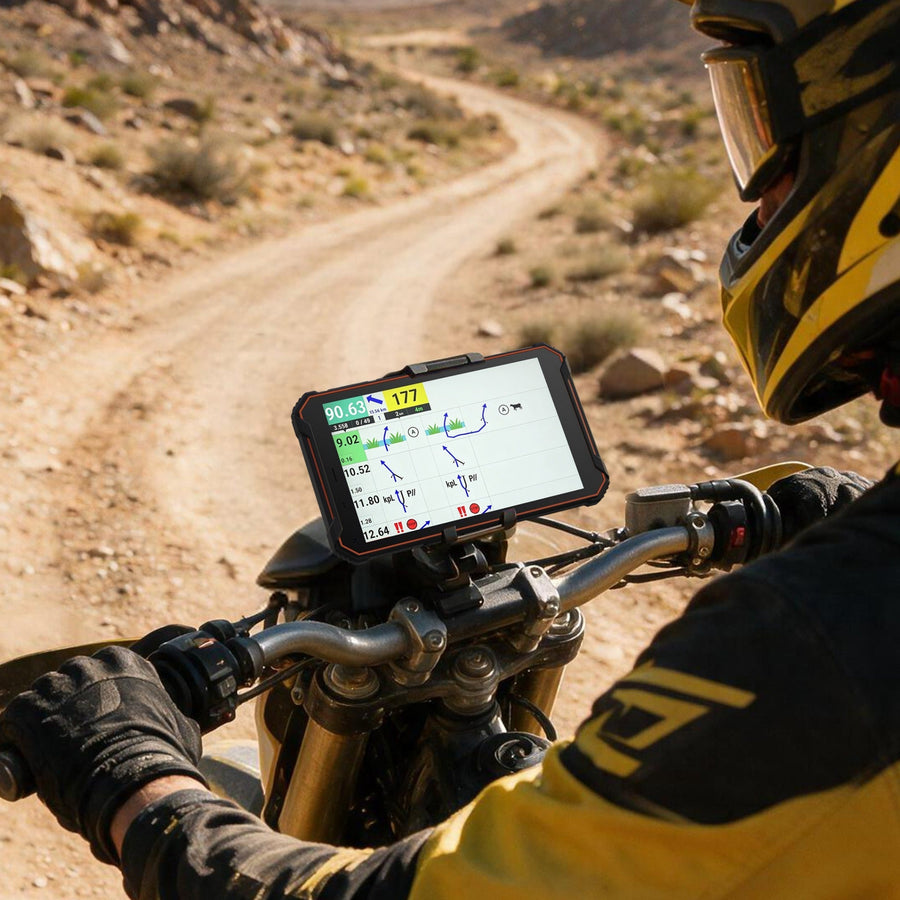
Phonemax T1 vs N1: Industrial Rugged Tablet or Rally Navigation Tablet?
T1 and N1 share several core specifications, but they are designed around different workflows. This comparison focuses on...
T1 and N1 share several core specifications, but they are designed around different workflows. This comparison focuses on...
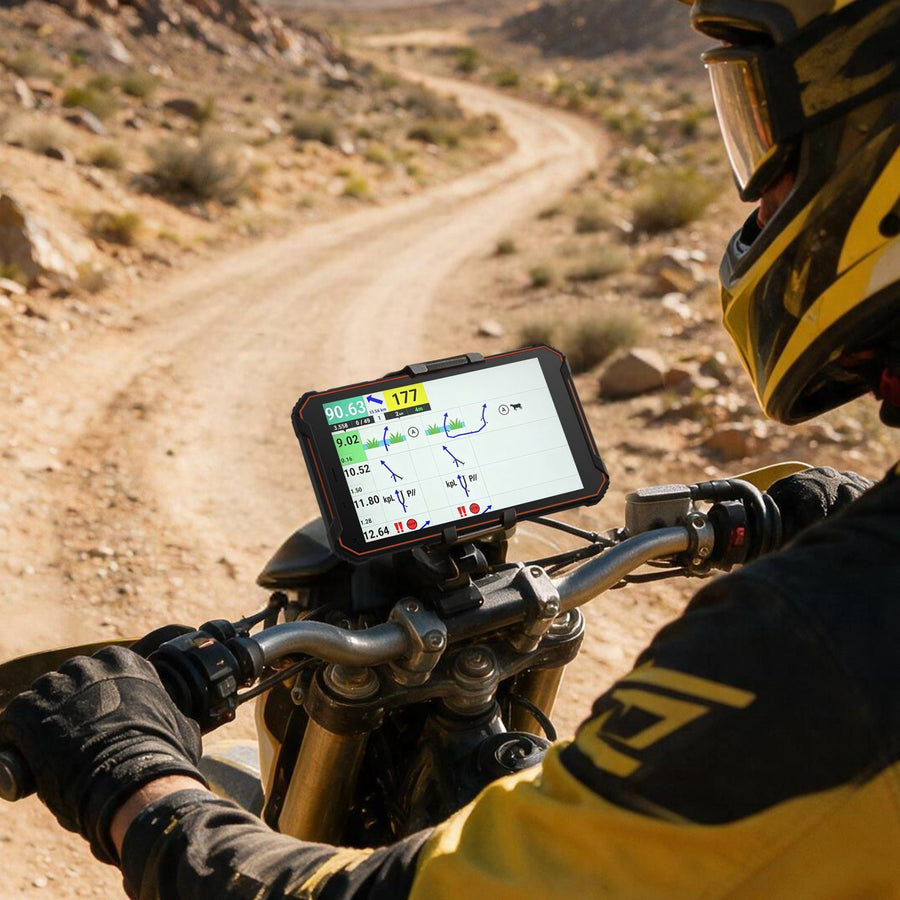
A deployment-focused method for budgeting rugged-tablet storage for offline maps, field apps, documents, photos and update headroom.
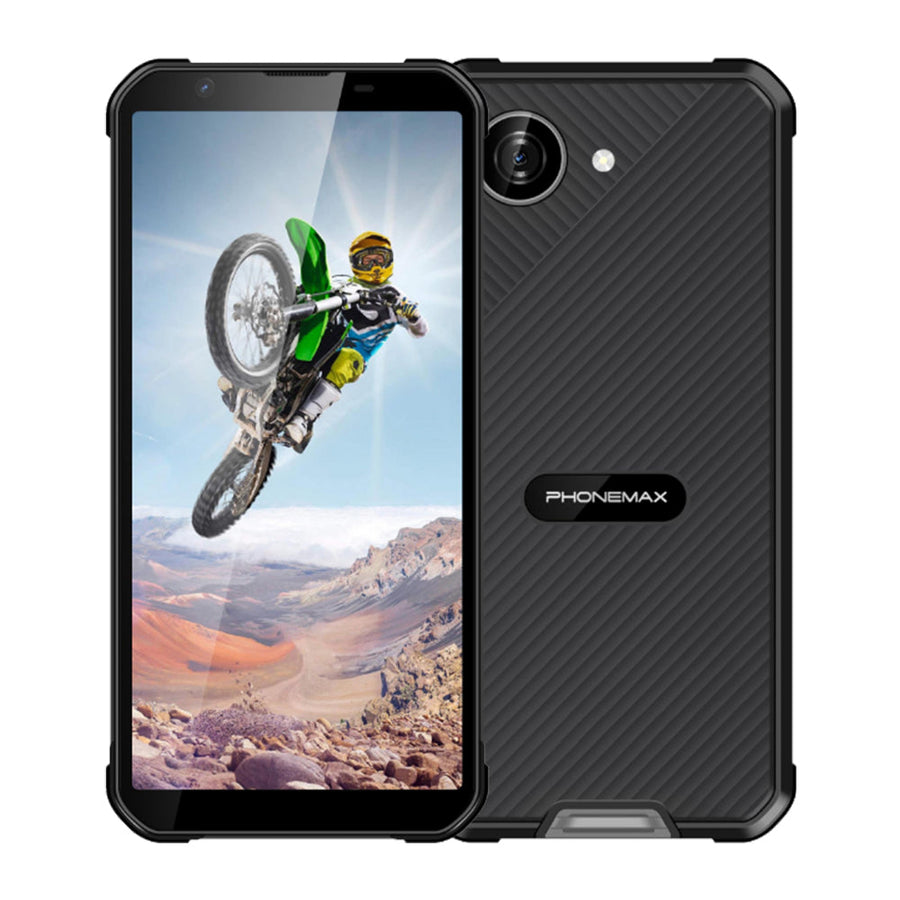
A practical field guide to deciding when an Android rugged phone can handle tethering duties and when a...
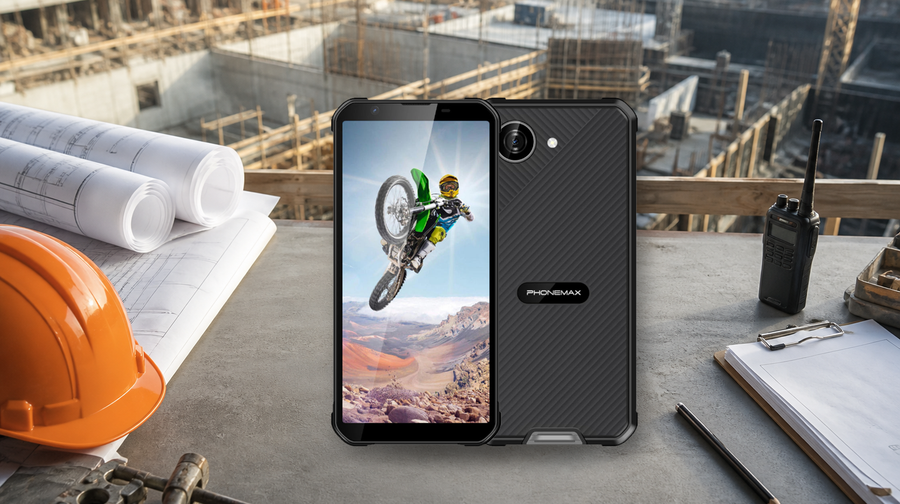
This article provides a comprehensive exploration of how portability impacts rugged vehicle tablet usage, with a focus on...
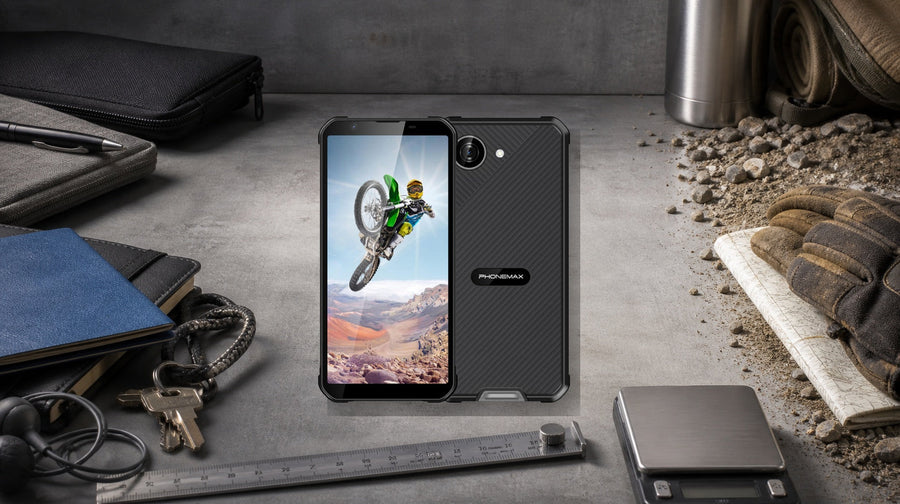
The article explains why the location of a rugged smartphone factory significantly influences shipping costs. Key factors include...
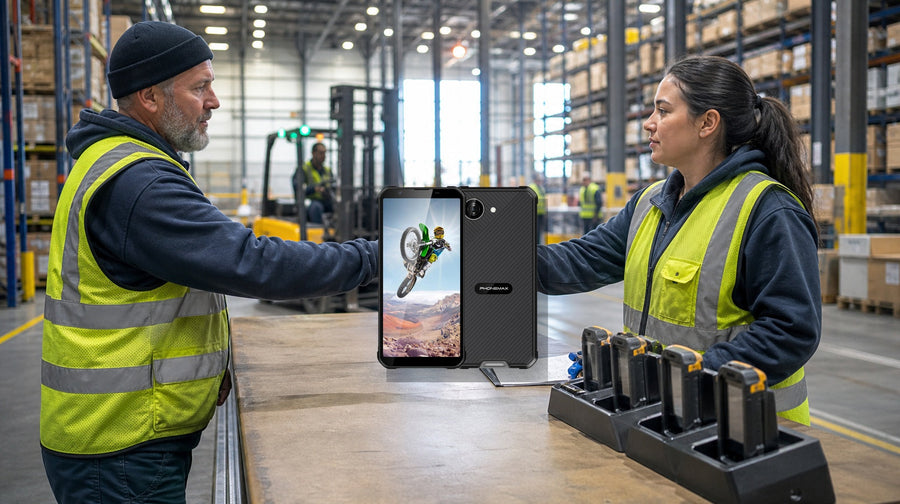
The article explores the hidden costs of purchasing a cheap rugged phone, emphasizing that the initial low price...
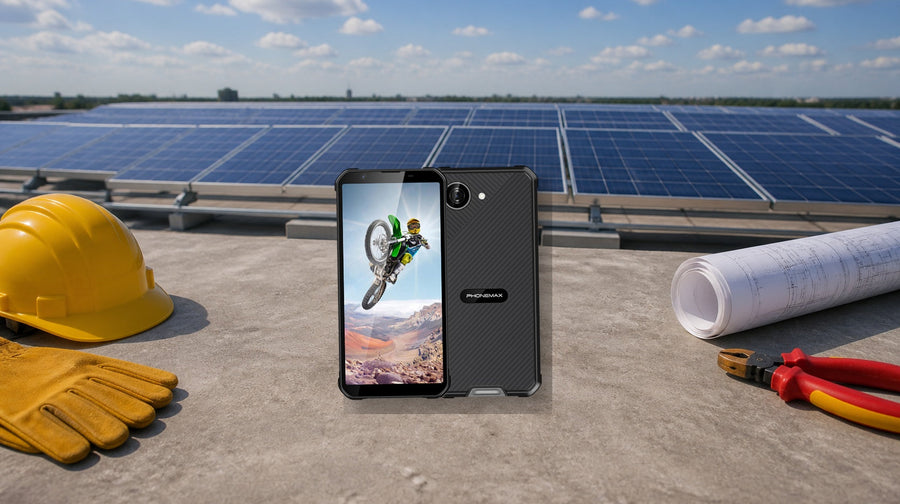
SummaryThis article explores how Shenzhen Phonemax Technology Co., Ltd., a China-based rugged smartphone manufacturer with over a decade...
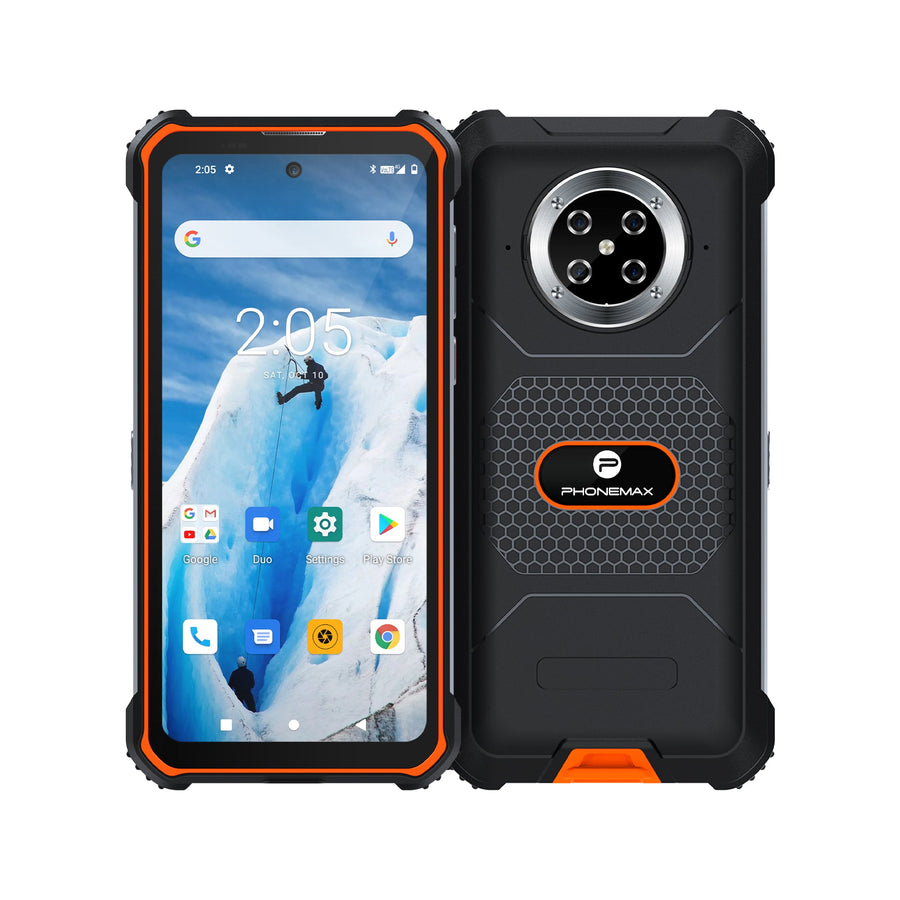
A 5G logo is not enough to confirm carrier compatibility. Buyers should compare the phone’s published NR/LTE bands...
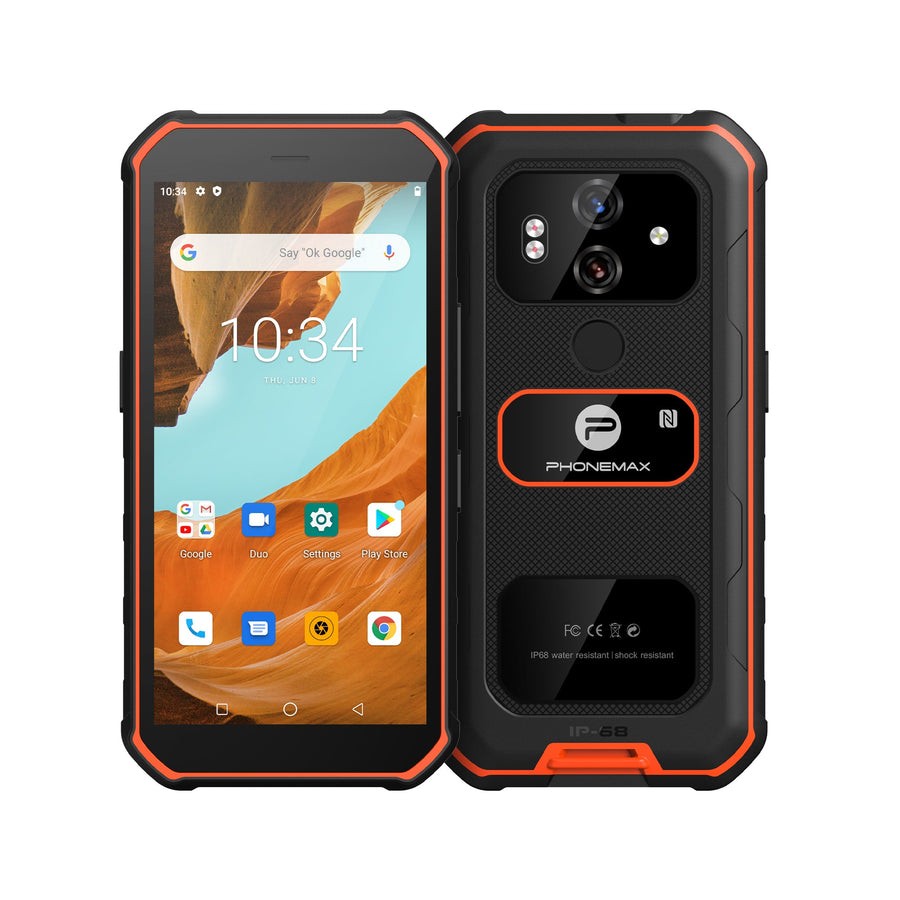
Dual-frequency positioning can help a receiver deal with some GPS errors, but real-world navigation accuracy still depends on...
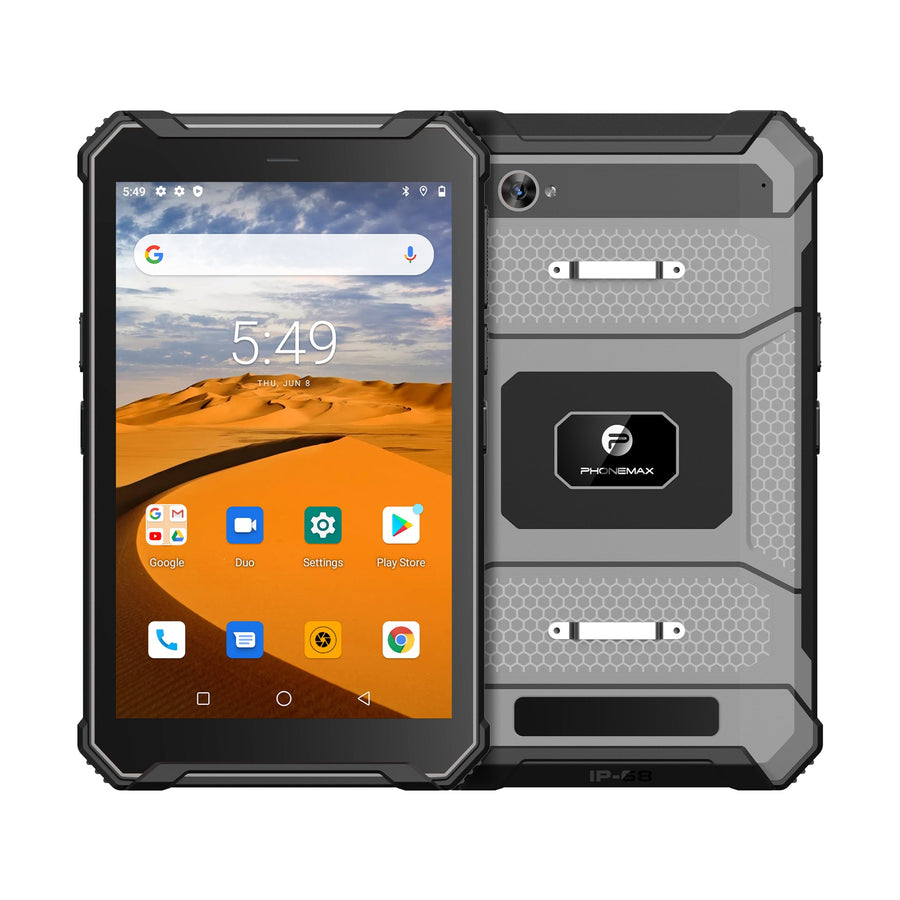
A rugged tablet is not simply a larger rugged phone. For maps, forms, split-screen workflows and shared field...
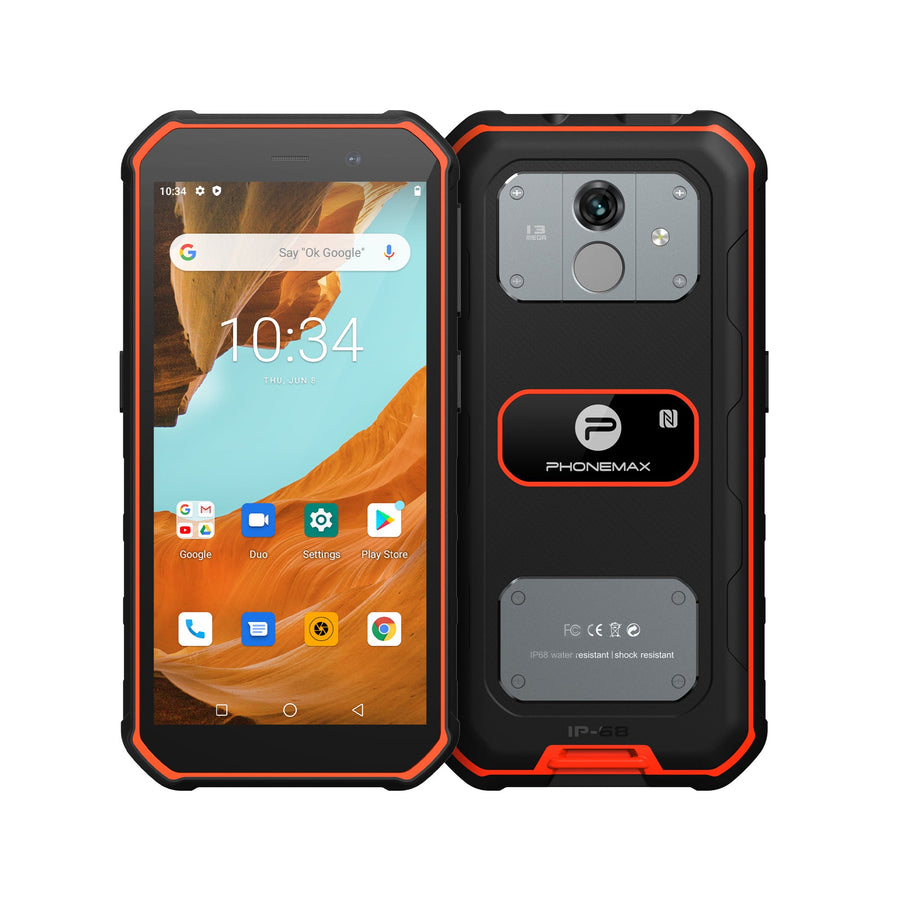
A built-in torch can reduce the number of tools carried for inspections, camping and short emergency tasks—but it...
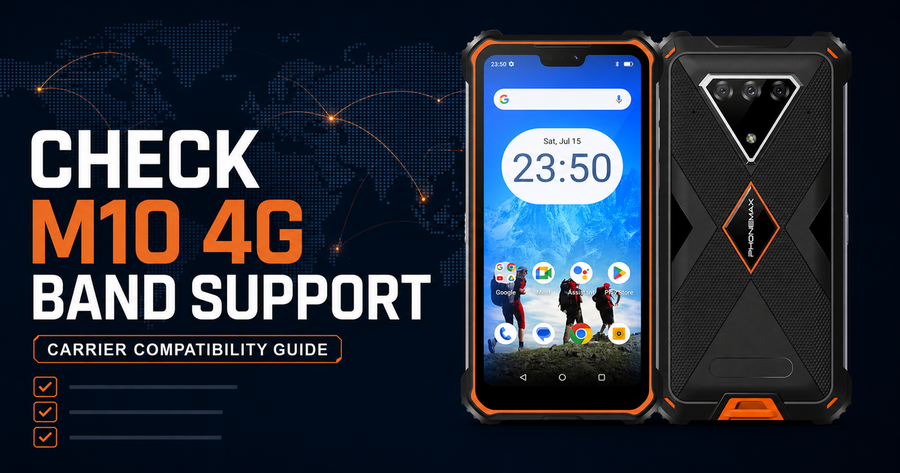
A carrier-first method for checking the Phonemax M10's broad 4G band list before procurement or deployment.