
This article explores whether a rugged phone can replace a tablet for field work, focusing on the capabilities of devices from Shenzhen Phonemax Technology Co., Ltd. (Phonemax), a manufacturer with over a decade of experience in rugged mobile devices. Rugged phones today feature IP68/IP69K dust and water resistance, reinforced magnesium-titanium alloy frames, large batteries (up to 10000mAh), advanced cameras (including thermal imaging), and PTT walkie-talkie communication—all running on Android 13/14. While tablets offer larger screens for tasks like reading blueprints or multitasking, rugged phones excel in durability, portability, battery life, and specialized field features. Phonemax's vertical integration and OEM/ODM customization allow cost-effective, tailored solutions for industries such as construction, logistics, and emergency rescue. For most outdoor and industrial applications, a rugged phone can replace a tablet for the majority of tasks, providing a durable, all-day device at a lower cost. However, screen-intensive work still favors tablets. The article concludes that a rugged phone is often the smarter primary tool in the field, with the tablet reserved for specific large-screen needs.
Field workers across industries—from construction managers and utility inspectors to outdoor researchers and logistics coordinators—often face a tough choice: carry a tablet for its larger screen and productivity, or rely on a rugged phone for its durability and portability. But as rugged smartphone technology advances, a new question emerges: can a rugged phone fully replace a tablet for field work? This article examines the capabilities, trade-offs, and real-world performance of rugged phones, drawing on the expertise of Shenzhen Phonemax Technology Co., Ltd. (Phonemax), a China-based manufacturer with over a decade of experience in rugged mobile devices.
The Evolution of Rugged Phones
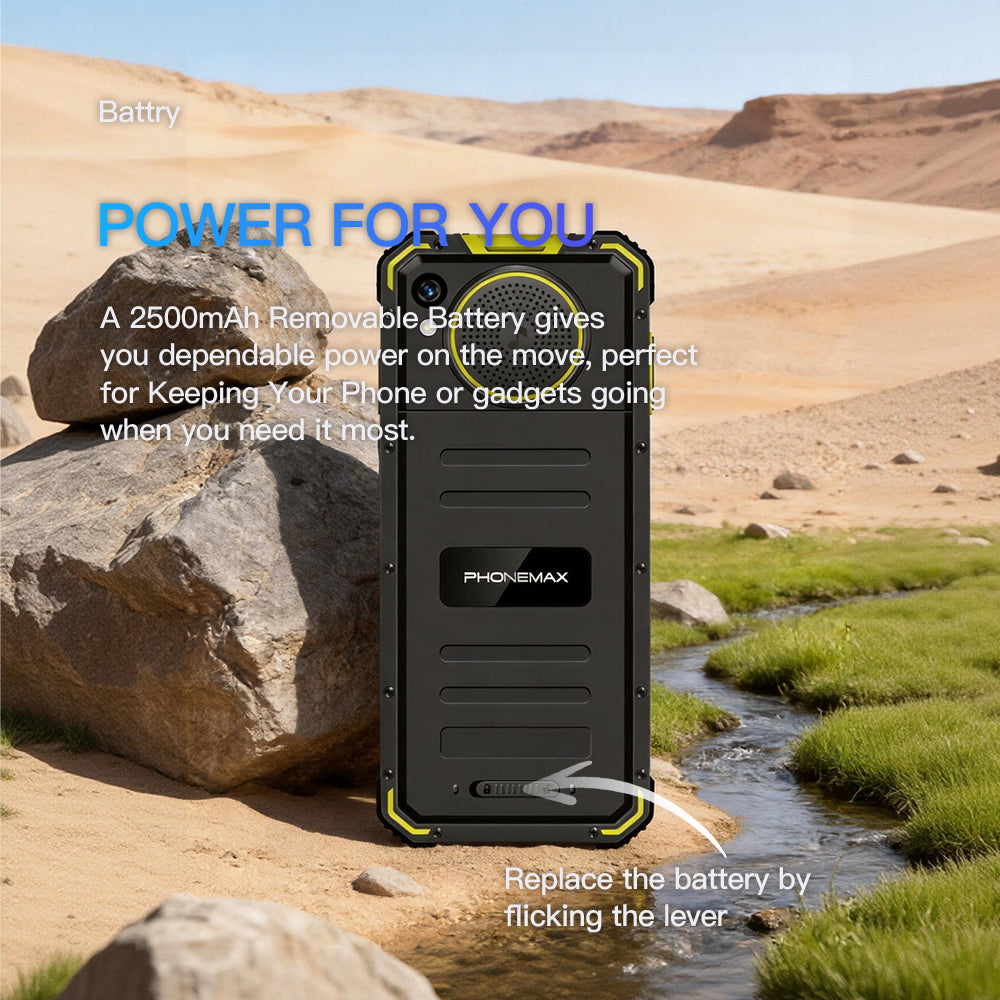
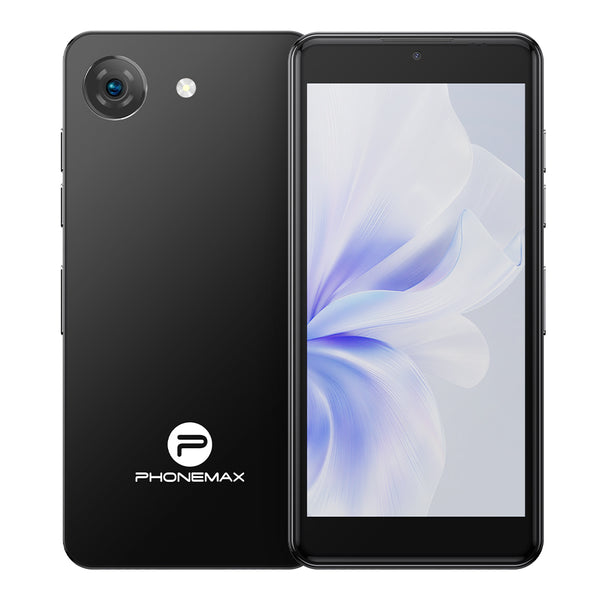
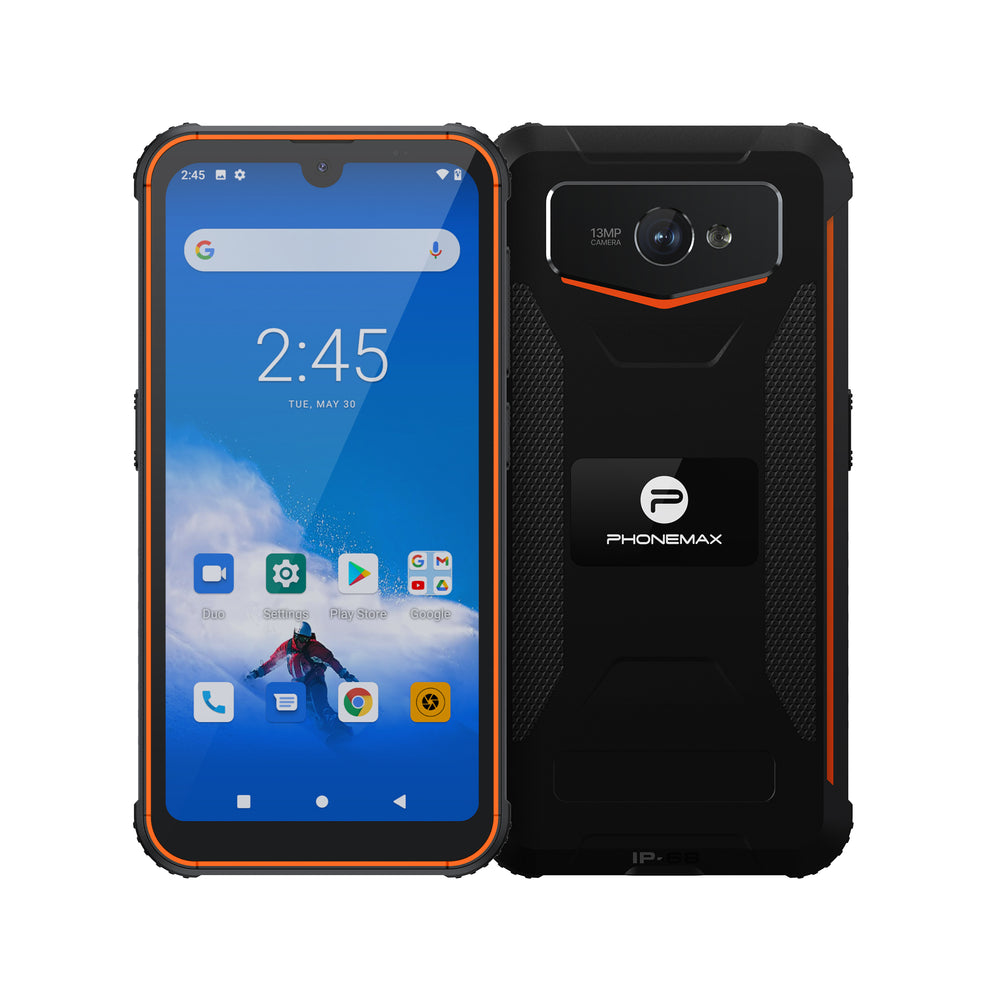
Rugged phones have come a long way from bulky, low-spec devices. Modern models, such as those from Phonemax, feature IP68/IP69K ratings for dust and water resistance, reinforced magnesium-titanium alloy frames, and rubberized corner bumpers to survive drops and impacts. They run on Android 13 or 14 with MediaTek Helio processors, offer triple rear camera systems (some with thermal imaging or night vision), and include PTT walkie-talkie, high-accuracy GPS, NFC, and fast charging. Battery capacities can reach up to 10000mAh in models like the M-series. These specs rival many consumer tablets, but the smaller screen size—typically 5 to 6.5 inches—remains a key differentiator.
Screen Size and Productivity
Tablets excel in tasks requiring extensive reading, data entry, or detailed map viewing. A 10-inch or larger display provides ample space for split-screen apps, form filling, and technical drawings. However, rugged phones offer surprising productivity features. Phonemax models support desktop mode via USB-C, allowing connection to external monitors for a full workstation experience. For quick data collection, barcode scanning, or GPS waypoint logging, a rugged phone’s touchscreen is often sufficient. Moreover, many field workers already carry a smartphone, so a rugged phone consolidates two devices into one.
undefined
Durability: The Core Advantage
Tablets are inherently fragile. Even rugged tablets, like those produced by Phonemax (including industrial handheld terminals), are larger and more prone to damage from twisting or bending. Rugged phones, by contrast, are designed to be dropped, submerged, and subjected to extreme temperatures. Phonemax’s own manufacturing facilities and engineering teams ensure each unit undergoes reliability testing before shipment—drop tests, water/dust ingress tests, and extreme temperature tests. This focus on durability, combined with a product philosophy of “durability first, affordable pricing,” means models under $200 can still offer IP68/IP69K protection and metal-alloy reinforced bodies.
Battery Life and All-Day Operation
Field work often spans long hours away from power sources. Rugged phones with large batteries—Phonemax’s M-series up to 10000mAh—can last two to three days of heavy use. Tablets, especially with larger screens, typically require mid-day charging. Many rugged phones also support reverse charging, turning them into portable power banks for other devices. This endurance reduces downtime and the need to carry extra batteries.
Professional Features for Field Work
Phonemax rugged phones are engineered for specific use cases: outdoor sports and hiking, construction and field engineering, warehouse and logistics operations, emergency rescue, and everyday use. Key features include PTT walkie-talkie communication for instant team coordination, high-accuracy GPS for precise location tracking, and NFC for asset tagging. Some models integrate thermal imaging or night-vision cameras—valuable for inspecting electrical panels, detecting heat leaks, or searching at night. These capabilities are rarely found on tablets without add-on accessories.
Camera and Documentation
Field workers often need to document conditions with photos or videos. Rugged phones with advanced camera systems—such as Phonemax’s triple rear cameras—can capture high-resolution images and support macro, wide-angle, and night modes. The integrated flash and image stabilization help in low-light environments. While tablets also have cameras, they are less ergonomic for quick, one-handed shots in the field.
Software and Customization
Phonemax offers OEM/ODM customization, enabling business clients to configure hardware specifications, branding, and software features to match specific industry or regional requirements. This flexibility is particularly valuable for companies deploying fleets of devices with pre-loaded apps, locked-down settings, or custom user interfaces. Rugged phones can run standard Android apps from the Play Store, including field-service management, inventory tracking, and mapping software. Tablets also run apps, but their larger size may be overkill for tasks that don't require a big screen.
Connectivity and IoT Integration
Rugged phones support LTE/5G, Wi-Fi, Bluetooth, and often include specialized connectivity like UHF radio or LoRa. Phonemax’s portfolio spans over 20 categories of professional industrial products, including PTT smart terminals, high-precision GPS handhelds, and vehicle-mounted terminals. This integration with IoT ecosystems makes rugged phones a central hub for data collection and communication in the field.
Cost and Value
A rugged phone from Phonemax typically costs between $150 and $500, while a rugged tablet can range from $500 to over $1,500. For many field workers, a rugged phone provides 80% of the functionality at half the price. The company’s vertical integration—owning production facilities and R&D—allows tighter control over component quality and manufacturing cost, resulting in a strong price-to-durability ratio. Independent third-party reviews (e.g., TechRadar) have validated specific Phonemax models for their solid construction, competitive pricing, and long battery life.
When a Tablet Still Wins
Despite the strengths of rugged phones, there are scenarios where a tablet remains indispensable: tasks requiring precise drawing or annotation on large blueprints, extended reading of PDF manuals, or multiple side-by-side applications. Rugged tablets like Phonemax’s own tablet line (not covered in this article but part of their portfolio) serve those needs. Also, users with visual impairments may prefer the larger display.
Ergonomics and Handling
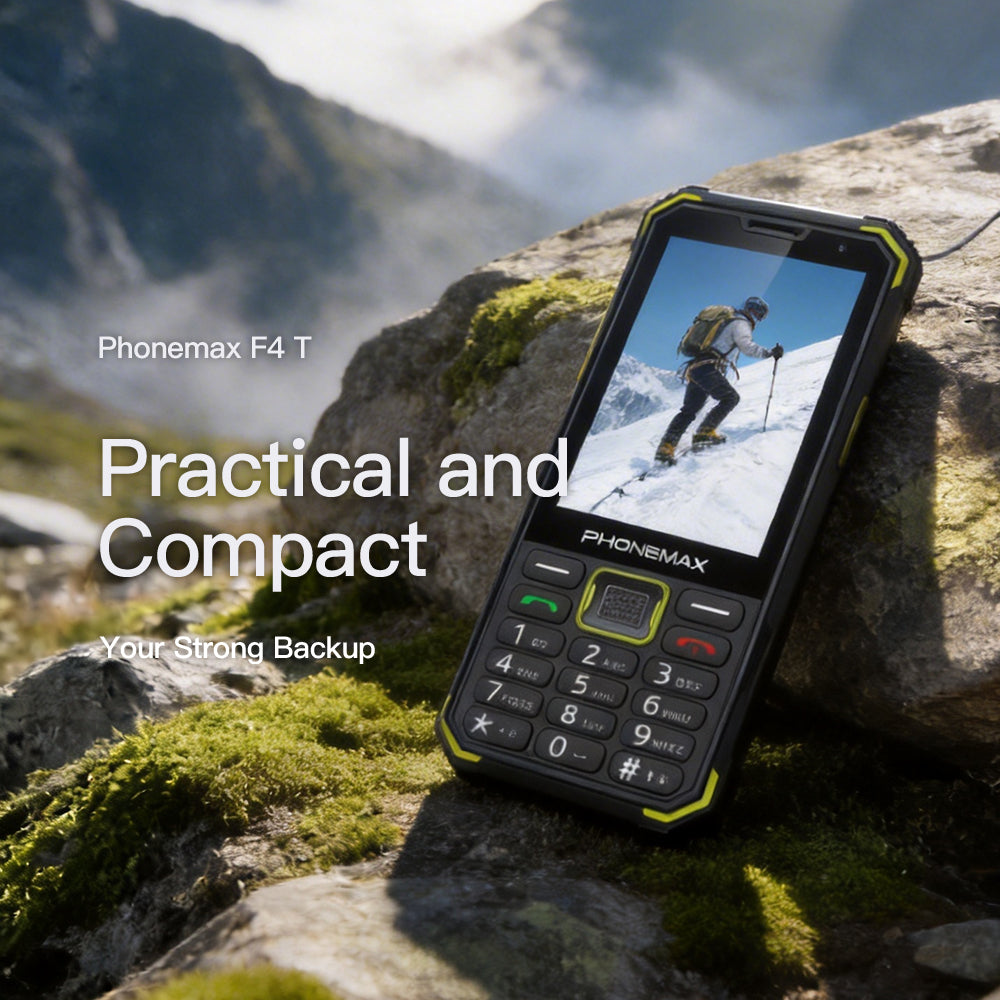
Rugged phones are designed for one-handed operation and can be worn on a belt or lanyard. Tablets often require two hands or a shoulder strap, which can be cumbersome when climbing ladders or handling tools. In tight spaces—like crawl spaces or vehicle cabs—a compact phone is easier to maneuver.

Real-World Use Cases
Phonemax devices are used by distributors, telecom operators, and enterprise procurement departments across more than 30 countries. For example, a logistics warehouse manager might use a Phonemax M-series phone for scanning barcodes, updating inventory via a cloud app, and communicating with staff via PTT—all day without recharging. A construction site supervisor might use a rugged phone to document progress, view PDF plans, and make calls, while the phone’s dustproof design survives concrete dust. For emergency rescue teams, thermal imaging cameras on a rugged phone can locate victims in smoke or darkness.
Conclusion
Can a rugged phone replace your tablet for field work? The answer depends on your specific tasks. For most outdoor and industrial applications—where durability, portability, battery life, and specialized features (PTT, GPS, thermal imaging) are critical—a modern rugged phone like those from Phonemax is a viable and often superior alternative to a tablet. It reduces device burden, lowers total cost of ownership, and provides all-day reliability. However, for screen-intensive work such as detailed CAD viewing or extended document editing, a rugged tablet still holds the edge. Ideally, a field worker might carry both, but the rugged phone increasingly becomes the primary tool, with the tablet used only when its larger screen is indispensable.
Phonemax’s commitment to rugged device innovation ensures that their phones continue to close the gap with tablets, offering features once thought exclusive to larger devices. With IP68/IP69K certification, reinforced frames, long battery life, and flexible customization, Phonemax rugged phones are engineered to excel in the field—proving that sometimes, smaller is smarter.
Key Takeaways:
- Rugged phones offer IP68/IP69K durability, long battery life, and professional features like PTT and thermal imaging.
- Tablets still excel for large-screen tasks like reading blueprints or multitasking with multiple apps.
- Phonemax’s vertical integration and OEM/ODM services provide cost-effective, customizable rugged phones for various industries.
- For many field workers, a rugged phone can replace a tablet for 80% of tasks, saving money and improving mobility.


Jätä kommentti
Kaikki kommentit moderoidaan ennen julkaisemista.
Tämä sivu on suojattu hCaptcha-tunnistuksella, ja hCaptchan tietosuojakäytäntöjä ja käyttöehtoja sovelletaan.