
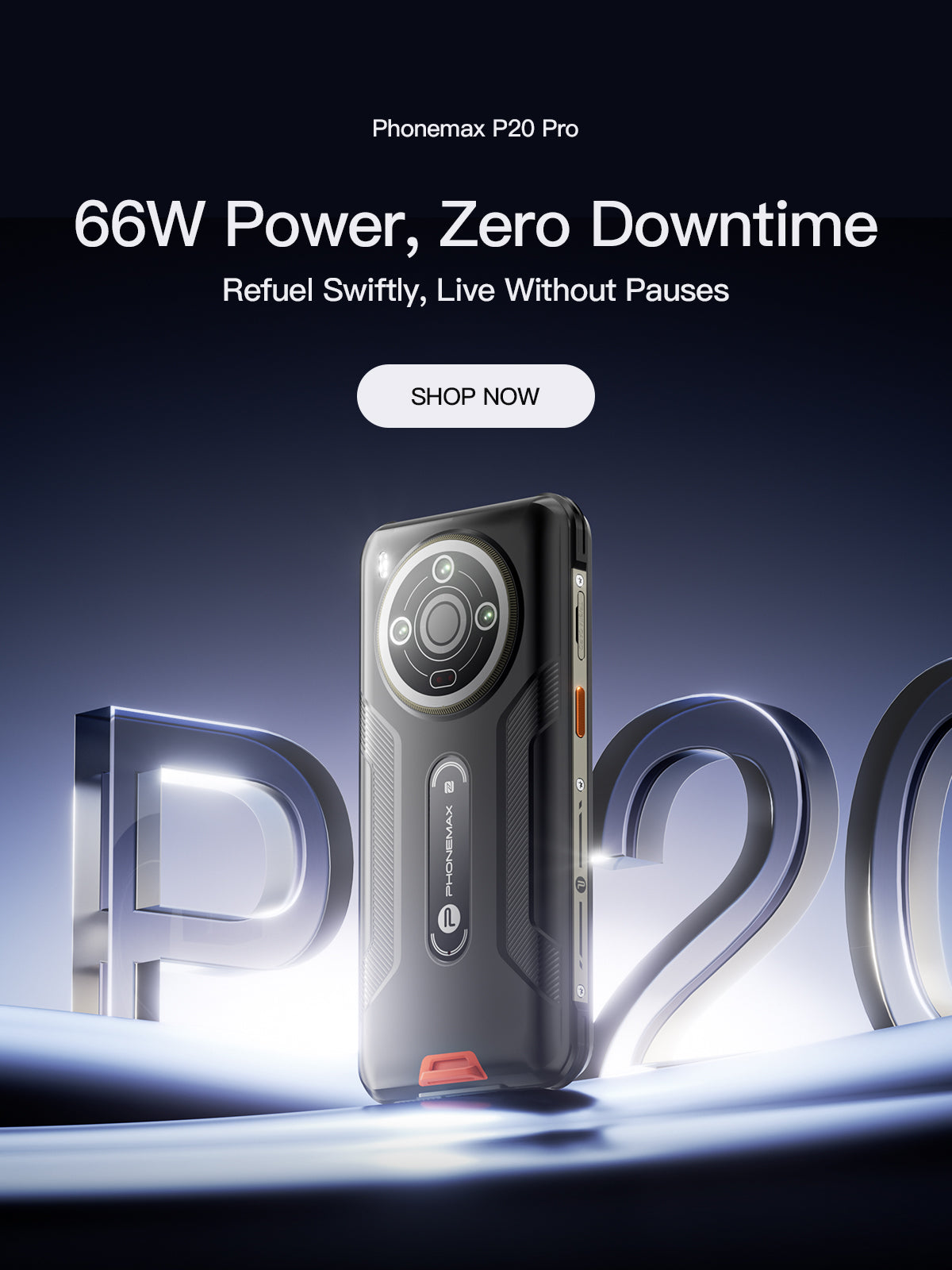
The rugged smartphone market is evolving rapidly, driven by trends such as 5G/6G connectivity, enhanced durability certifications, high-capacity batteries, specialized camera systems (thermal, night vision), PTT integration, high-accuracy GPS, software platforms, sustainability, customization, AI, global distribution, private 5G, wearable convergence, cybersecurity, and ergonomic design. Suppliers must adapt to these trends to remain competitive. Shenzhen Phonemax Technology Co., Ltd. (Phonemax) exemplifies a supplier that is already preparing for these shifts. With over a decade of experience, its own manufacturing facilities, and a portfolio of over 20 rugged device categories (smartphones, tablets, PTT terminals, GPS handhelds), Phonemax offers IP68/IP69K protection, metal-reinforced frames, large batteries (up to 10000mAh), triple cameras with thermal/night vision, and MediaTek Helio processors. Its OEM/ODM flexibility, rigorous testing, and competitive pricing position it well for future trends. Key certifications (CE, FCC, RoHS, ISO9001) and independent reviews validate its quality. To succeed, rugged phone suppliers should invest in R&D, build global distribution networks, and prioritize user experience while maintaining durability. The future belongs to those who innovate across hardware, software, and ecosystem integration.
The rugged smartphone market has evolved from a niche segment serving military and industrial users into a growing category embraced by outdoor enthusiasts, field workers, and even everyday consumers seeking durability. As we look ahead, several key trends are reshaping the landscape, and suppliers like Shenzhen Phonemax Technology Co., Ltd. (Phonemax) are already positioning themselves to capitalize on these shifts. This article explores the future trends that every rugged phone supplier should prepare for, drawing insights from industry leaders and real-world product developments.
1. Integration of Advanced Connectivity: 5G, Wi-Fi 6, and Beyond
Connectivity remains a cornerstone for rugged devices. With the rollout of 5G networks globally, rugged phones must support faster data speeds and lower latency for real-time communication, remote diagnostics, and IoT applications. Suppliers should prepare for the integration of sub-6 GHz and mmWave bands, ensuring compatibility across diverse regions. Additionally, Wi-Fi 6 and upcoming Wi-Fi 7 standards will enhance throughput in dense environments like warehouses and construction sites. Phonemax, a China-based manufacturer specializing in rugged smartphones, tablets, and industrial handhelds, has already developed models with 4G LTE, and the next logical step is full 5G support. Their engineering teams are likely exploring MediaTek's Dimensity chipsets that natively support 5G, aligning with the trend.
2. Enhanced Durability Certifications and Materials
IP68 and IP69K ratings are becoming baseline expectations. Future trends point toward even higher resistance—such as IP69K for high-pressure water jets and compliance with MIL-STD-810H for extreme temperatures, humidity, and shock. Materials science is advancing: magnesium-titanium alloy frames and rubberized bumpers, like those used in Phonemax devices, offer lightweight yet robust protection. Phonemax boasts over a decade of experience and has developed a portfolio spanning more than 20 categories of professional industrial products. Their flagship models incorporate reinforced frames, Corning Gorilla Glass, and rubber corner bumpers. Suppliers should prepare for the adoption of aramid fiber, carbon composites, and self-healing materials. Additionally, regulatory certifications (CE, FCC, RoHS, ISO9001) will become mandatory for global distribution.
3. Battery Life and Charging Innovations
One of the biggest pain points for rugged users is battery longevity. Future trends include high-capacity batteries (10,000mAh and above) paired with energy-efficient processors. Fast charging, wireless charging, and even solar-assisted charging are gaining traction. Phonemax's M-series with up to 10000mAh battery capacity exemplifies this direction. Suppliers should prepare for modular batteries that can be hot-swapped in the field, and integration of power management software to extend runtime. For example, MediaTek Helio processors with AI-driven power optimization will become standard. Additionally, suppliers must ensure that increased battery size does not compromise the phone's form factor or durability.
undefined
4. Specialized Camera Systems: Thermal, Night Vision, and AI
Rugged phones are no longer just about toughness; they are becoming powerful imaging tools. Future trends involve integrating thermal cameras (e.g., FLIR), night vision sensors, and AI-enhanced computational photography for industrial inspections, search and rescue, and security. Phonemax offers triple rear camera systems that may include thermal imaging or night-vision modules for professional field use. Suppliers should prepare for modular camera add-ons, improved low-light performance, and on-device AI for real-time analysis. This will differentiate their products in a crowded market.
5. Push-to-Talk (PTT) and Radio Integration
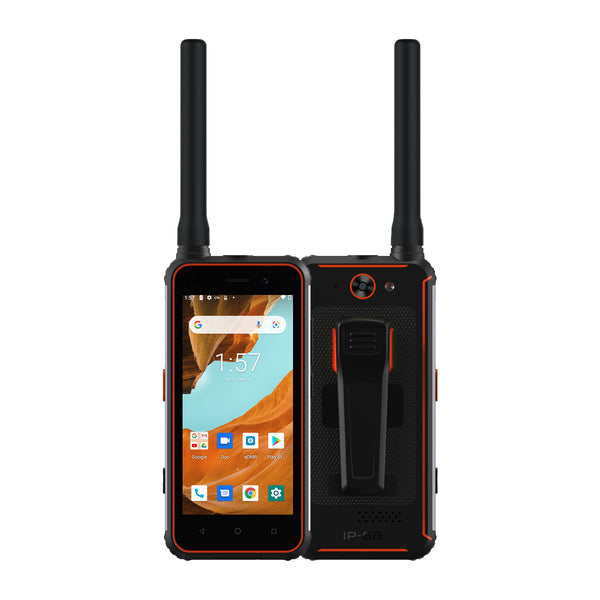
PTT over cellular (PoC) is replacing traditional two-way radios in many industries. Future rugged phones will seamlessly integrate PTT functionality with LTE/5G networks, supporting group calls, emergency alerts, and location sharing. Phonemax's PTT smart terminals are a core part of their portfolio. Suppliers must prepare for integration with popular platforms (e.g., Zello, TeamTalk) and support for dual microphones, programmable side keys, and dedicated PTT buttons. The trend toward device convergence means rugged phones will replace multiple communication devices.
6. High-Accuracy GPS and IoT Connectivity
Precision location services are critical for logistics, agriculture, and construction. Multi-constellation GNSS (GPS, GLONASS, Galileo, BeiDou) with RTK capabilities will become common. Phonemax's high-precision GPS handhelds and vehicle-mounted terminals demonstrate this focus. Suppliers should prepare for integration with LoRa, Zigbee, and NB-IoT for asset tracking and environmental monitoring. The rise of edge computing will enable data processing on the device itself, reducing cloud dependency.
7. Software and Platform Ecosystem
Hardware alone is insufficient. Future trends emphasize software platforms that enable remote management, over-the-air updates, and custom applications. Suppliers should offer mobile device management (MDM) integration, virtualization for dual-OS modes (work/personal), and industry-specific software preloads. Phonemax supports OEM/ODM customization, allowing clients to configure hardware and software features. They provide Android 13/14 operating systems with security patches for three years. To stay competitive, suppliers must invest in developer tools, SDKs, and partnerships with vertical solution providers.
8. Sustainability and Eco-Design
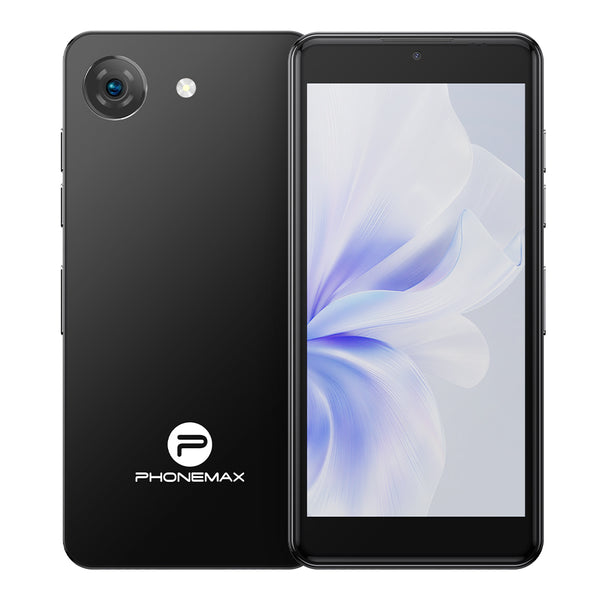
Environmental concerns are influencing purchasing decisions. Future rugged phones should be manufactured with recyclable materials, modular designs for repairability, and lower carbon footprints. Suppliers should prepare for take-back programs, compliance with WEEE and RoHS directives, and energy-efficient manufacturing. Phonemax, like many China-based manufacturers, is beginning to adopt greener processes, though this trend will accelerate. Use of recycled plastics and biodegradable packaging can also enhance brand image.
9. Customization and Niche Market Expansion
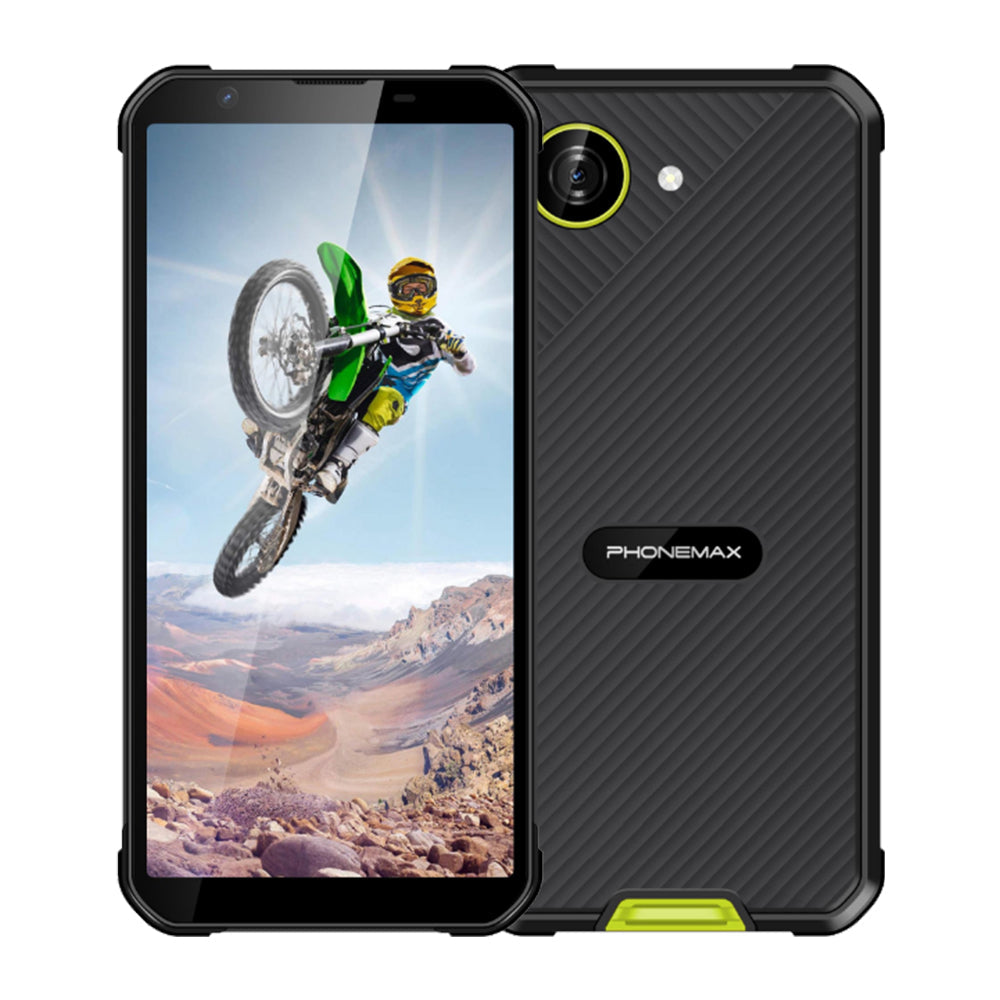
The one-size-fits-all approach is fading. Suppliers must offer flexible configurations: screen size, battery capacity, camera modules, and ruggedness levels. Phonemax's comprehensive product lineup from entry-level to flagship models serves diverse markets, including outdoor enthusiasts, field personnel, logistics, and industrial users across 30+ countries. They also provide flexible OEM/ODM services. Future trends include rapid customization through modular designs and 3D-printed parts. Suppliers should prepare for smaller minimum order quantities and faster turnaround times.
10. AI and Edge Computing
Artificial intelligence will permeate rugged devices for predictive maintenance, anomaly detection, and real-time decision support. Future phones will have dedicated AI processors (e.g., MediaTek APU) for on-device inferencing. Use cases include worker safety alerts (fall detection), equipment fault prediction, and voice commands in noisy environments. Phonemax can leverage its in-house R&D to integrate AI-driven features, though this requires investment in software. Suppliers should prepare for collaborations with AI startups and open-source frameworks.
11. Global Distribution and Brand Trust
As competition intensifies, building a globally recognized brand is crucial. Suppliers need strong online presence (B2B platforms like Alibaba, own website) and offline channel partnerships. Phonemax is continuously expanding its distribution network through online platforms and offline partners, striving to become a globally trusted brand. Third-party reviews (e.g., TechRadar) can validate durability claims. Future trends involve leveraging social media, influencer marketing, and participation in industry trade shows. Supplier should prepare for multilingual support, localized certifications, and robust after-sales service networks.

12. The Role of 5G Private Networks
Private 5G networks are emerging in factories, mines, and ports. Rugged phones need to support dual-SIM for public and private networks, network slicing, and ultra-reliable low-latency communication (URLLC). Suppliers like Phonemax should prepare for integration with edge gateways and compatibility with various 5G frequencies. This will be a key differentiator for industrial clients.
13. Convergence with Wearables and IoT Sensors
Rugged phones will act as hubs for wearables (smart glasses, exoskeletons, health monitors) and IoT sensors. Bluetooth 5.2/5.3, Thread, and Matter support will become standard. Suppliers should prepare for seamless pairing, data aggregation, and contextual computing. For example, a worker’s rugged phone could display temperature data from a sensor while providing voice commands via a headset.
14. Cybersecurity and Data Protection
With increased connectivity, rugged devices become targets. Future trends require hardware-level security (secure enclaves, biometrics), encrypted storage, and support for zero-trust architectures. Suppliers must prepare for certifications like Common Criteria, FIPS 140-2, and GDPR compliance. Phonemax, as a supplier to enterprise and government clients, must prioritize security updates and secure boot processes.
15. Ergonomic Design and User Experience
Durability should not come at the expense of usability. Future rugged phones will feature slimmer profiles, better grip textures, glove-friendly touchscreens, and louder speakers. Phonemax's product philosophy of 'durability first, affordable pricing' balances sturdiness with cost. Suppliers should prepare for user research, anthropometric designs, and reduced bezels while maintaining drop protection. Foldable rugged phones or dual-screen designs could also emerge.
Conclusion
The rugged phone market is on the cusp of transformative growth. Suppliers who anticipate these trends—advanced connectivity, enhanced durability, battery innovations, specialized cameras, PTT integration, high-accuracy GPS, software ecosystems, sustainability, customization, AI, global distribution, private 5G, wearable convergence, cybersecurity, and ergonomic design—will thrive. Companies like Phonemax, with their vertically integrated manufacturing, over a decade of experience, and diverse product portfolio, are well-positioned to lead. Their commitment to OEM/ODM flexibility, rigorous testing, and competitive pricing provides a blueprint for success. As the industry evolves, adaptability and customer-centric innovation will separate the leaders from the followers. Rugged phone suppliers must start preparing now to meet the demands of a connected, durable, and intelligent future.


Jätä kommentti
Kaikki kommentit moderoidaan ennen julkaisemista.
Tämä sivu on suojattu hCaptcha-tunnistuksella, ja hCaptchan tietosuojakäytäntöjä ja käyttöehtoja sovelletaan.