
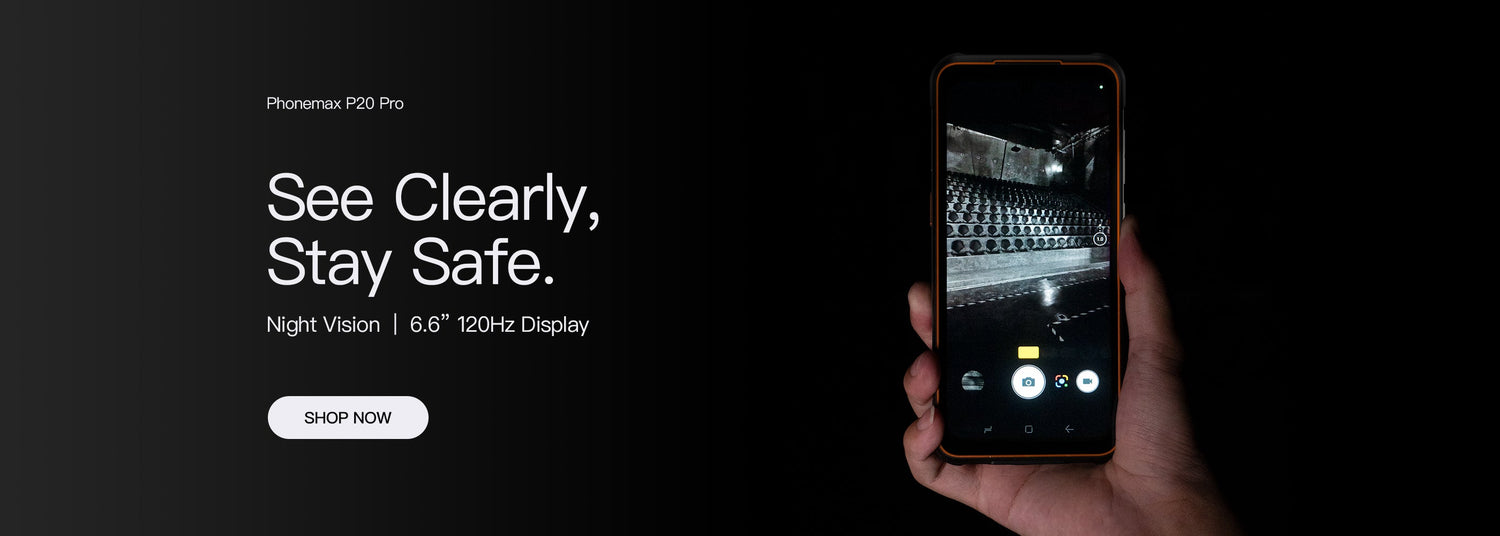
A 7000mAh battery paired with an IP68-rated rugged smartphone can be useful for long shifts, navigation, outdoor work, and other situations where charging opportunities are limited. However, battery capacity and an IP rating are only part of the buying decision. Real-world endurance, device weight, charging speed, screen brightness, network conditions, GPS use, temperature, and the manufacturer’s stated water-resistance conditions all matter.
What does a 7000mAh battery mean?
Battery capacity is measured in milliamp-hours (mAh). A 7000mAh battery stores more charge than a 5000mAh or 6000mAh battery at the same voltage, but it does not guarantee a fixed number of hours or days of use. Runtime depends on the phone’s hardware, software, signal quality, display settings, and workload.
What does IP68 mean?
IP68 is an ingress-protection rating for resistance to dust and water under specified test conditions. The exact water depth and duration can differ by device, so buyers should check the model-specific conditions. Salt water, hot water, chemicals, damaged seals, open ports, and normal wear can affect protection.
Why choose 7000mAh instead of 5000mAh or 6000mAh?
A 7000mAh battery can provide extra energy for users who rely heavily on GPS, mobile data, cameras, field apps, or long screen-on time. The trade-off is usually additional thickness and weight. Users who prioritize pocketability may prefer a smaller battery, while people working long shifts or away from power may value the extra capacity.
What can reduce battery life in the field?
- Continuous GPS: Navigation keeps positioning hardware, the display, and often mobile data active.
- Weak cellular signal: Repeated network searching can increase power use.
- High screen brightness: Outdoor visibility often requires more display power.
- Hotspot use and data transfer: Tethering, uploads, and video calls can shorten runtime.
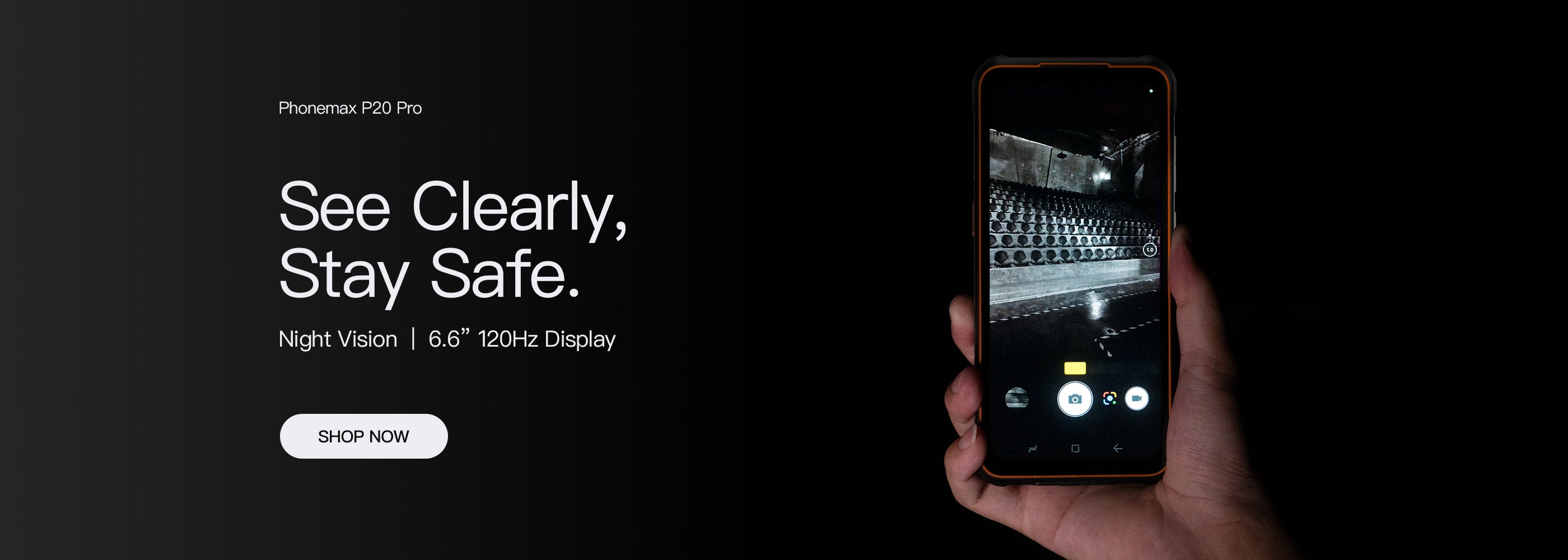
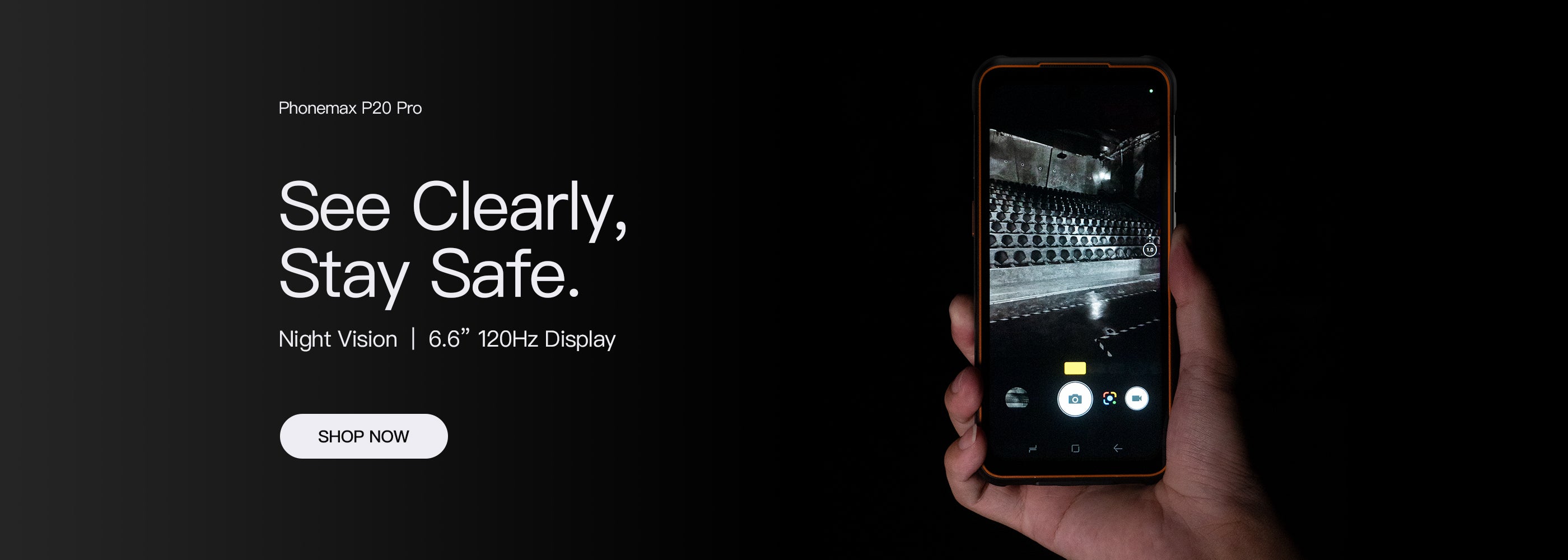
- Specialized sensors: Thermal imaging, night vision, barcode scanning, or prolonged camera use may increase demand.
- Extreme temperatures: Very hot or cold conditions can reduce available battery performance and affect charging.
How important is charging speed?
A larger battery can take longer to recharge if charging power is limited. Compare battery capacity together with supported charging power, charger compatibility, connector protection, and the amount of time you normally have available for charging.
Does IP68 make a phone suitable for every wet environment?
No. IP68 does not mean unlimited underwater use or protection against every liquid. Always follow the manufacturer’s stated immersion limits and care instructions. If the device is used around salt water, chemicals, high-pressure jets, or damaged port covers, additional caution is required.
What else should you compare?
- Full device dimensions, thickness, and weight.
- Display size, brightness, and glove or wet-touch support if relevant.
- LTE/5G bands for the intended carrier and country.
- GPS and navigation capabilities.
- Charging power and connector type.
- Camera, thermal imaging, night vision, NFC, barcode scanning, or other job-specific features.
- Android version, memory, storage, and app compatibility.
- Warranty, service, and battery-replacement options.
Who is a 7000mAh IP68 rugged phone best for?
This combination can suit construction workers, field technicians, logistics teams, drivers, outdoor users, and travelers who need more battery capacity than a conventional smartphone while still wanting dust and water resistance. It may be less suitable for users whose top priority is a compact, lightweight backup phone.
Browse the current Phonemax product range to compare rugged phones and tablets. For an exact model’s battery capacity, IP68 test conditions, charging power, dimensions, weight, or network bands, use the contact page to confirm the configuration before purchase.
FAQ
Does 7000mAh guarantee two days of use?
No. Runtime varies with signal strength, display use, GPS, apps, temperature, and workload.
Is IP68 the same on every phone?
No. The rating category is standardized, but manufacturers specify the tested water depth, duration, and usage conditions for each device.
Is 7000mAh always better than a smaller battery?
No. More capacity can improve potential endurance, but it normally adds size and weight. The best choice depends on the user’s priorities.

Leave a comment
All comments are moderated before being published.
This site is protected by hCaptcha and the hCaptcha Privacy Policy and Terms of Service apply.