
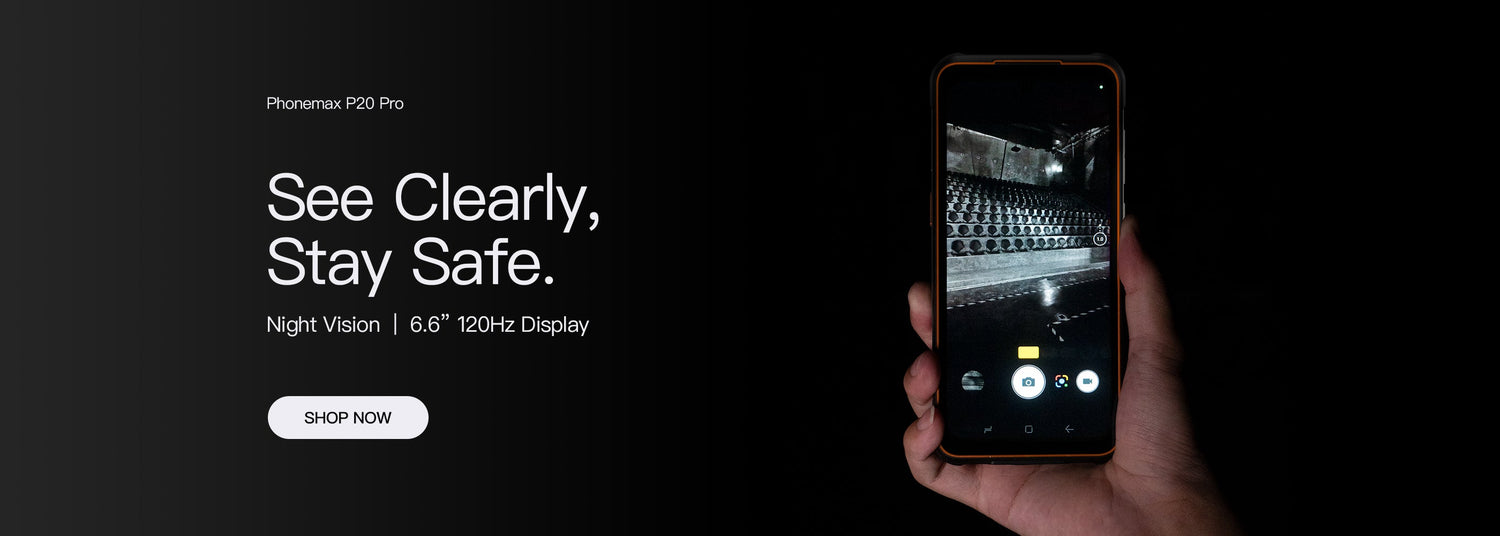
An 8000mAh battery 5G rugged smartphone is designed for users who need long runtime, mobile connectivity and a tougher device for work or outdoor use. But battery capacity and 5G support should not be judged in isolation. Real-world endurance depends on screen brightness, network conditions, GPS use, processor efficiency, temperature, background apps and charging habits, while a rugged design adds its own trade-offs in size and weight.
What an 8000mAh battery means in real use
8000mAh is a relatively large smartphone battery capacity. It gives the device a larger energy reserve, which can be useful for long work shifts, navigation, travel, mobile hotspot use and locations where charging is not always available. It does not guarantee a fixed number of days of use.
A phone used mainly for calls, messaging and occasional maps may last much longer than the same phone used continuously for GPS navigation, 5G data, video, camera work or hotspot sharing. Battery life should therefore be compared using the intended workload rather than a generic standby-time claim.
Main factors that affect runtime
- 5G and signal strength: weak or unstable coverage can increase power consumption as the modem searches and switches networks.
- Screen: brightness, size and refresh rate can materially affect battery drain.
- GPS: continuous navigation and location tracking increase power use.
- Processor efficiency: two phones with the same battery capacity can deliver very different endurance.
- Hotspot use: sharing a mobile connection can be demanding because the modem and Wi-Fi radio operate together.
- Temperature: cold weather can temporarily reduce battery performance, while excessive heat can accelerate long-term battery aging.
- Background activity: synchronization, messaging, tracking and cloud services can add continuous load.
Does 5G always drain more battery?
Not necessarily in every situation. Power consumption depends on the modem, network implementation, signal quality, data activity and how often the phone changes between 4G and 5G. A strong, efficient 5G connection can behave very differently from a weak or unstable network.
For field users, the important question is whether the phone supports the required bands and maintains a stable connection in the countries, carriers and work locations where it will be used. A large battery cannot compensate for incompatible network bands or consistently poor reception.
Network compatibility matters more than the 5G label
Before buying a rugged 5G phone, check the exact supported LTE and 5G bands against the intended carrier. This is particularly important for international travel, fleet deployment and imported devices. Carrier compatibility can also affect features such as VoLTE, Wi-Fi calling and network provisioning.
Business buyers should verify compatibility with a sample device before placing a large order. A specification sheet that simply says “5G” is not enough for a fleet deployment.
How to evaluate an 8000mAh rugged phone for field work
A rugged smartphone is a complete working tool. Battery capacity is important, but so are ergonomics, durability, navigation, connectivity and software. Compare the following items together:
- overall dimensions and weight;
- display visibility outdoors;
- touch response with gloves or wet hands where required;
- supported 4G and 5G bands;
- GPS and navigation performance;
- charging power and connector design;
- water, dust and drop-resistance claims and their exact test conditions;
- NFC, fingerprint, programmable keys or other work features;
- camera or specialist imaging requirements;
- Android version, security support and app compatibility;
- mounting and accessory requirements.
Battery size versus phone size and weight
An 8000mAh battery usually requires more internal volume than a smaller battery. In a rugged phone, protective structure can add further thickness and weight. That trade-off may be worthwhile for users who prioritize long shifts away from power, but it may be less attractive for users looking for a compact backup phone or lightweight everyday carry device.
Do not compare battery capacity without checking the complete dimensions and weight. A phone that lasts longer but is uncomfortable to carry or mount may not be the best fit for the job.
GPS, navigation and location tracking
Navigation is one of the most common reasons to choose a large-battery rugged phone. Continuous GPS, a bright display and mobile data can create a sustained load for hours at a time. For drivers, riders, survey teams and field workers, this is a more useful battery test than standby time.
If navigation is a primary use case, check positioning stability, supported satellite systems, screen readability, mounting options and charging behavior under continuous use. Offline maps can also reduce dependence on mobile data in weak-coverage areas.
Charging an 8000mAh battery
A large battery is most useful when it can be charged conveniently. Check the supported charging specification and charger compatibility. Charging time depends on the device's actual charging power, thermal management and battery state, not only on the charger's printed wattage.
For vehicle or motorcycle use, also consider cable strain, connector protection, vibration and heat. A rugged rating does not automatically cover every stress created by long-term mounting or charging in a vehicle.
Battery health over time
Lithium batteries gradually lose capacity as they age. Heat is particularly important: leaving a device in a hot vehicle or repeatedly charging it while it is already very warm can accelerate degradation. Very low temperatures can also reduce available performance temporarily.
For fleets expected to remain in service for several years, battery replacement policy, spare-device planning and warranty terms can matter as much as the original 8000mAh capacity.
Rugged protection: verify the actual rating
“Rugged” is a broad term. Buyers should check the exact IP rating, drop-test information and operating conditions for the specific model. An IP rating is based on defined tests; it does not mean unlimited waterproof use or protection after severe damage, repairs or worn seals.
If the phone will be used in rain, dust, construction, logistics, utilities or outdoor travel, compare the actual environmental risks with the manufacturer's stated limits rather than relying only on rugged styling.
Who benefits most from an 8000mAh 5G rugged smartphone?
This configuration can make sense for:
- field technicians who work long shifts away from chargers;
- delivery and logistics users running navigation and communication apps;
- construction and maintenance teams using mobile data, photos and work apps;
- outdoor travelers who need navigation and communication backup;
- drivers or riders using a phone as a navigation device;
- business fleets that need longer runtime and durable hardware.
A practical workload test
Before choosing a device, describe one real workday. Estimate screen-on hours, GPS time, 5G or hotspot use, camera activity, calls and background apps. Then allow extra battery margin for weak signal, cold weather, aging and unexpected overtime.
- List the apps that must remain active during the shift.
- Estimate continuous GPS and screen-on time.
- Identify weak-signal areas where the modem may work harder.
- Check whether charging is available in vehicles, offices or job sites.
- Compare the phone's size and weight with how it will actually be carried or mounted.
- Test a sample device using the real carrier and workflow when purchasing for a fleet.
Questions to ask before buying
- Which 4G and 5G bands are supported?
- What are the exact dimensions and weight?
- What charging standard and maximum charging power are supported?
- What is the exact IP rating and test condition?
- What drop-resistance or durability information is available?
- Which GPS systems are supported?
- How readable is the display outdoors?
- Does the phone support NFC, fingerprint or programmable keys if needed?
- What Android version and software support are provided?
- What warranty and after-sales options apply?
FAQ
Will an 8000mAh phone always last two or three days?
No. Runtime depends on the workload. Continuous navigation, weak signal, high brightness, 5G data, hotspot use and camera activity can consume much more power than light use.
Is 5G necessary for a rugged phone?
It depends on the intended carrier, applications and deployment period. For some users stable 4G is sufficient; others need 5G capacity or want longer-term network support. Band compatibility is more important than the label alone.
Is a bigger battery always better?
No. More capacity can improve runtime, but it can also increase size and weight. The best choice balances endurance with portability, performance, durability and connectivity.
Can a rugged phone be used underwater?
Do not assume so from the word “rugged.” Check the exact IP rating and the manufacturer's instructions. Water-resistance ratings apply under defined test conditions and are not a guarantee of unrestricted underwater use.
What should a business verify before a bulk order?
Confirm network bands, certifications, exact hardware and software configuration, charging accessories, durability requirements, warranty terms and sample performance before committing to volume.
Conclusion
An 8000mAh 5G rugged smartphone can be a strong option when long runtime, mobile connectivity and durable hardware are all important. The most reliable buying decision comes from matching the phone to a real workload: network conditions, navigation time, screen use, charging access, portability and environmental risks. Treat 8000mAh and 5G as useful specifications, not as substitutes for checking the complete device.

Leave a comment
All comments are moderated before being published.
This site is protected by hCaptcha and the hCaptcha Privacy Policy and Terms of Service apply.