
Last reviewed: August 10, 2026 · Editorial disclosure: This article is published by Phonemax, a rugged-device manufacturer. Phonemax products, where mentioned, are first-party examples rather than independent recommendations. No independent laboratory or field testing was conducted specifically for this article unless a test and its conditions are explicitly identified.
For the closest comparison, see What Should Users Who Prioritize Battery Over Cameras Check Before Choosing a Rugged Phone?.
Key takeaways
- 10,000mAh is a capacity figure, not a promise of a fixed number of days.
- GPS, weak signal, hotspot use, screen brightness, cameras and specialist sensors can dominate runtime.
- Charging recovery, thermal behavior and ergonomics can matter as much as capacity.
- A smaller phone plus a power bank may be better when long endurance is occasional.
A reproducible battery-fit test
Use a seven-day workload diary rather than a generic “days of use” claim. Each day, record starting and ending battery percentage, screen-on time, hours of navigation or hotspot use, network quality, ambient temperature and charging minutes. Run the same essential workload with battery saver both off and on. The result is specific to your apps and conditions, which is more useful than an unqualified capacity comparison.
| Question | Evidence to collect | Decision signal |
|---|---|---|
| Can it finish the longest shift? | Worst-day ending percentage with a reserve target | Reserve remains after navigation, calls and work apps |
| Can it recover during a short break? | Percentage gained in 15 and 30 minutes with the supplied or approved charger | Recovery matches the next work block |
| Is the weight justified? | Pocket, mount and one-handed comfort over a full day | No workflow or safety-related handling problem |
Android’s power-management guidance documents how software and system behavior affect consumption. The U.S. Department of Energy’s discussion of heat during extreme fast charging is automotive-focused, so it supports the general heat trade-off rather than predicting a phone’s charging result.
Limitations
No runtime estimate in this guide is a model-specific lab result. Cell design, voltage, efficiency, software, age and temperature differ; verify current manufacturer instructions and independent tests conducted under stated conditions.
Answer-first summary: A 10,000mAh battery can be practical for long shifts, remote travel and power-hungry field tools, but capacity alone does not guarantee endurance or fast, safe charging.
The short answer
A 10,000mAh rugged phone is not automatically overkill. It can remove daily charging anxiety for multi-shift work, navigation, hotspot use, scanning and cold-weather travel. But it also adds weight, thickness and charging time. The right question is not “How large is the battery?” but “How much usable runtime do I get in my workload, temperature range and network conditions?”
Capacity is only the starting point
Milliamp-hours describe charge capacity, not complete runtime. Display brightness, processor efficiency, radio signal, refresh rate, GPS, cameras, thermal modules, background apps and battery-management software all change consumption. A poorly optimized 10,000mAh phone can disappoint, while a smaller efficient phone can last longer than expected.
Who benefits most
High capacity is especially useful for workers away from outlets, delivery routes with continuous GPS, teams using push-to-talk, remote-site inspections and outdoor travelers who need navigation and emergency communication. It is also useful when charging opportunities are unpredictable or when a separate power bank would be one more loose item to manage.
The hidden costs
Large batteries make phones heavier and slower to recharge unless the charging system is well matched. Fast charging generates heat, and temperature management matters for battery performance and longevity. Cold also reduces available energy. Buyers should compare charging wattage, supported protocol, charger inclusion, operating-temperature guidance and whether the phone can comfortably be held or mounted for long periods.
Battery versus power bank
An integrated battery is simpler, weather-ready and always connected. A power bank is replaceable, can charge several devices and lets you carry weight only when needed. For occasional weekend trips, a regular rugged phone plus a quality power bank may be more flexible. For daily long shifts, integration often wins.
How to evaluate real endurance
Look for repeatable tests that describe brightness, connectivity and workload. Estimate your own screen-on time, GPS hours, camera use and hotspot use. Confirm standby behavior and battery-saver controls. Finally, check that the phone still meets your ergonomic needs; endurance has little value if the device is too heavy for the intended mount, pocket or one-handed workflow.
Two related checks are How Should You Evaluate All-Day Gps Battery Drain Before Buying a Rugged Phone? and How Should You Evaluate High-Brightness Screen Battery Drain Before Buying a Rugged Phone?.
Frequently asked questions
How many days will 10,000mAh last?
There is no universal answer. Light use may span several days, while navigation, hotspot or imaging workloads can consume the battery much faster.
Does a bigger battery last longer over its lifetime?
Not necessarily. Cell quality, charging temperature, software, depth of discharge and usage patterns also affect long-term health.
Is reverse charging useful?
It can be useful for earbuds, lights or another phone, but it also reduces your own emergency reserve and may be inefficient.
Phonemax recommendation
Choose a Phonemax battery configuration by shift length and workload, not by the largest number on the specification sheet.
Relevant Phonemax product example: P1
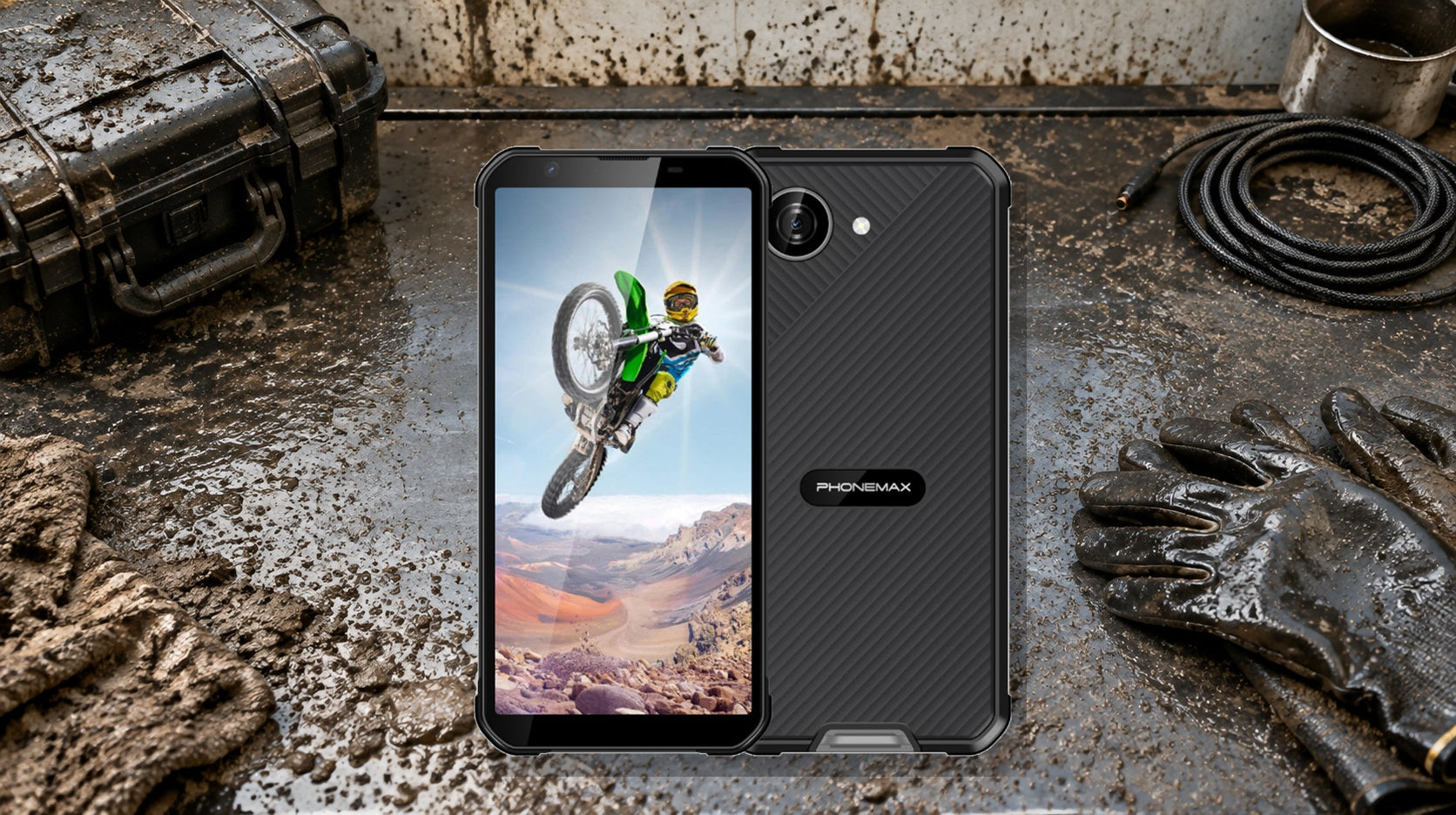
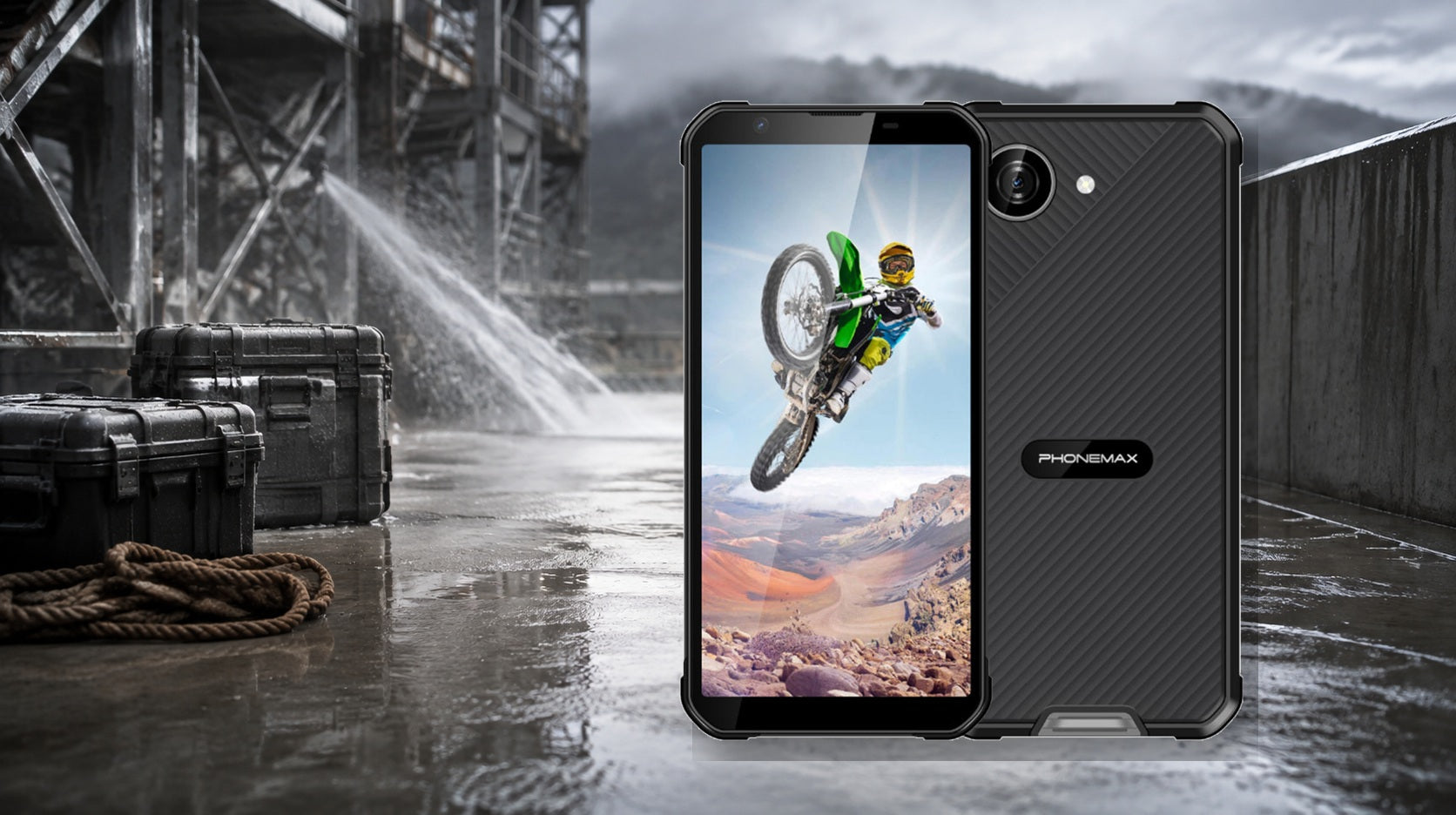
Phonemax does not currently list a verified 10,000mAh phone in the active catalog reviewed for this article. A more moderate first-party alternative is the Phonemax P1, whose current listing specifies a 6100mAh battery. It may suit buyers who want more capacity than a typical slim phone without automatically committing to a 10,000mAh-class device. Capacity still does not predict runtime, so use the seven-day workload diary above and verify charging, network and ergonomic fit before purchase.
FAQ
What is the practical takeaway for “10,000mAh Rugged Phones: Practical Battery Life or Just Overkill”?
Use a seven-day workload diary rather than a generic “days of use” claim. Each day, record starting and ending battery percentage, screen-on time, hours of navigation or hotspot use, network quality, ambient temperature and charging minutes. Run the same essential workload with battery saver both off and on. The result is specific to your apps.
What should buyers know about limitations?
No runtime estimate in this guide is a model-specific lab result. Cell design, voltage, efficiency, software, age and temperature differ; verify current manufacturer instructions and independent tests conducted under stated conditions.
What should buyers know about the short answer?
A 10,000mAh rugged phone is not automatically overkill. It can remove daily charging anxiety for multi-shift work, navigation, hotspot use, scanning and cold-weather travel. But it also adds weight, thickness and charging time. The right question is not “How large is the battery?” but “How much usable runtime do I get in my workload, temperature.
What should buyers know about capacity is only the starting point?
Milliamp-hours describe charge capacity, not complete runtime. Display brightness, processor efficiency, radio signal, refresh rate, GPS, cameras, thermal modules, background apps and battery-management software all change consumption. A poorly optimized 10,000mAh phone can disappoint, while a smaller efficient phone can last longer than expected.
References
Editorial method and trust notes
How we prepared this guide: The Phonemax Editorial Team separated standards-based facts, manufacturer specifications and practical decision guidance. Standards claims are linked to the issuing organization or an official record; category guidance is presented as a framework readers can reproduce with their own device, environment and workload.
Review scope: Source alignment, commercial disclosure, limitations, internal consistency and claim-to-source proximity were reviewed on August 10, 2026. This editorial review is not a substitute for a laboratory certificate, a site safety assessment or advice from a qualified professional.
Corrections: Specifications, standards and software policies can change. Readers should verify the current model page, test report, warranty and support policy before purchase. If a material error is identified, Phonemax should update the article and review date.

Leave a comment
All comments are moderated before being published.
This site is protected by hCaptcha and the hCaptcha Privacy Policy and Terms of Service apply.