
Which Smartphone Parts Are Most Vulnerable in Harsh Work Environments?
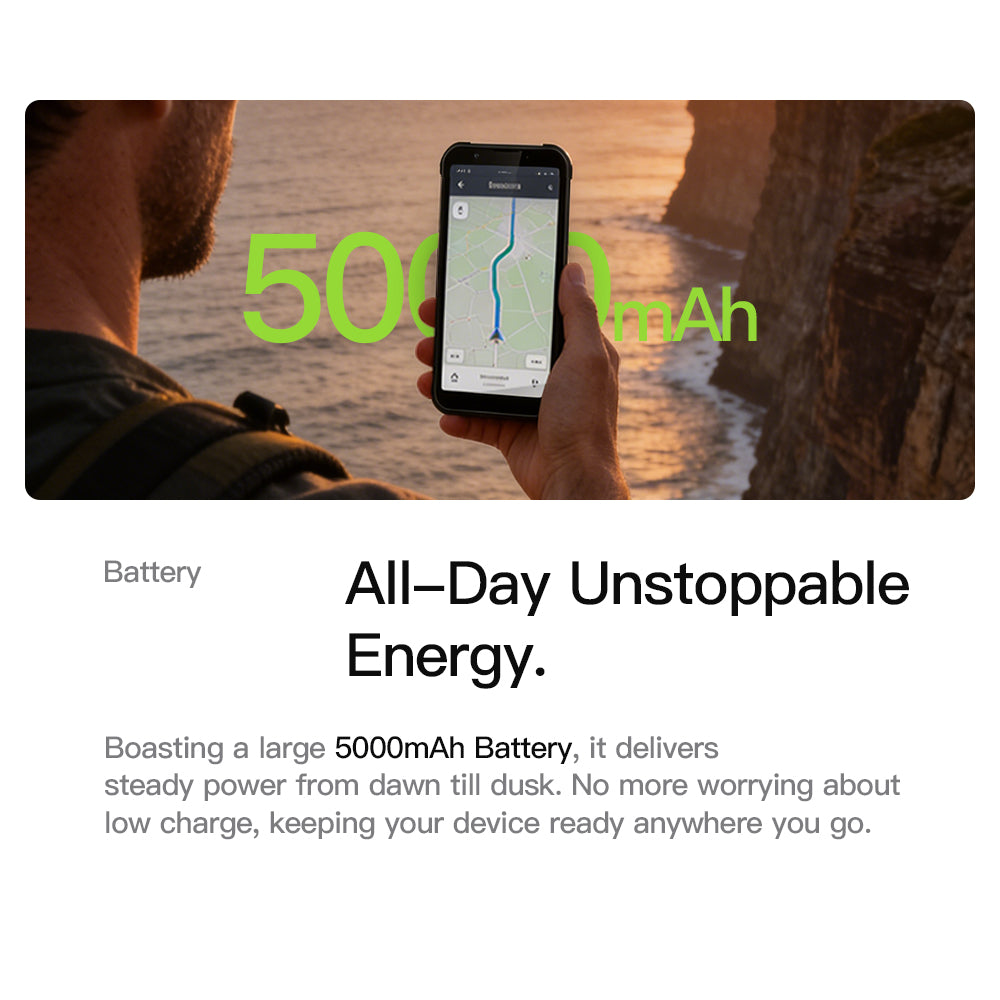
Which smartphone parts are most vulnerable in harsh work? There is no universal first failure. Map displays, charging ports, audio, cameras, batteries, seals and vibration-sensitive systems to the ...
IP68 vs IP69K vs MIL-STD-810H: What Should Rugged Phone Buyers Actually Care About?
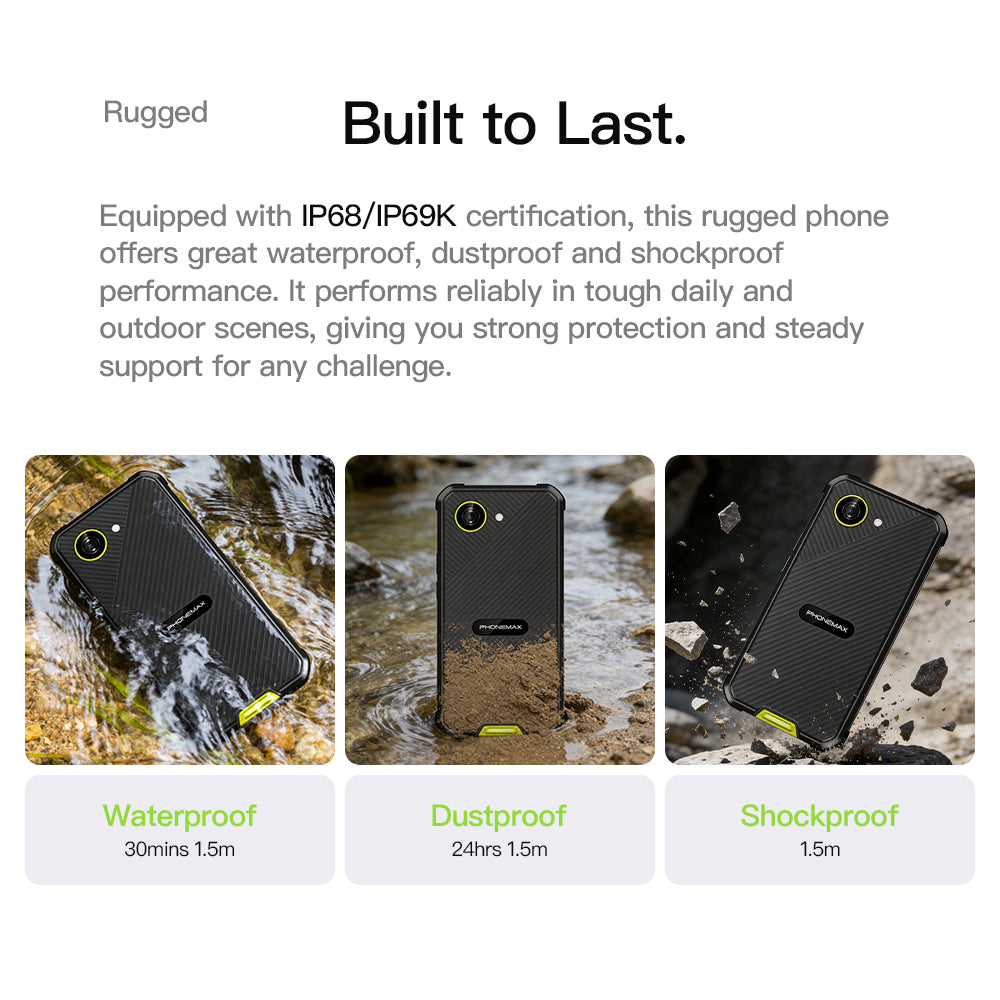
IP68, IP69K and MIL-STD-810H cover different durability risks. Learn what each label can prove, what it cannot prove, and which test details rugged-phone buyers should verify.

10,000mAh Rugged Phones: Practical Battery Life or Just Overkill?
Is a 10,000mAh rugged-phone battery practical or excessive? Evaluate real workload, GPS and network drain, charging access, device weight, recovery time and whether a power bank is the better trade...
Thermal Imaging on a Rugged Phone: Useful Professional Tool or Expensive Gimmick?
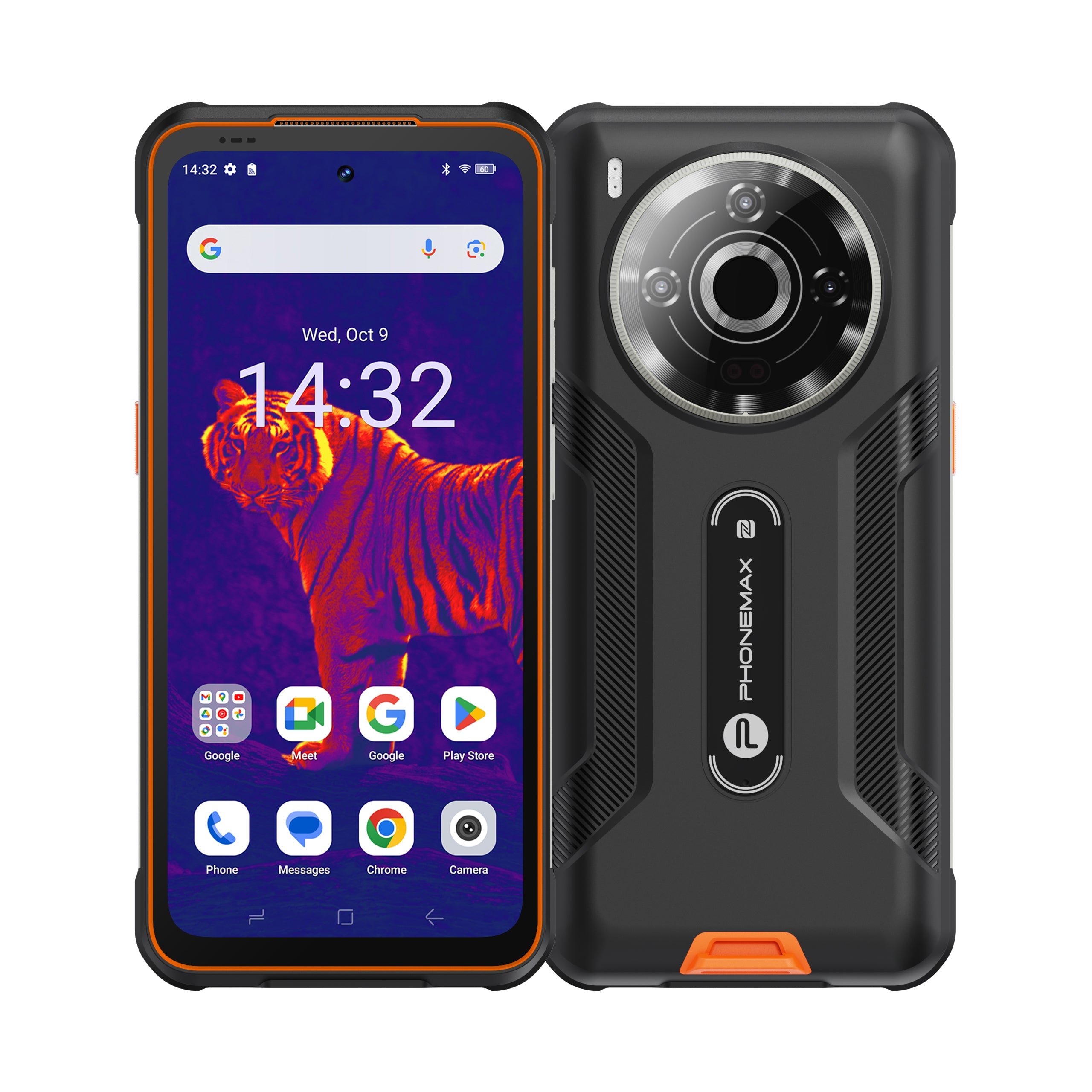
Thermal imaging on a rugged phone can be a genuine professional tool for electrical, HVAC, maintenance and building screening. Learn what it can show, its measurement limits, and when a dedicated t...
What Are the Biggest Downsides of Rugged Phones? Weight, Size, Cameras and Everyday Use
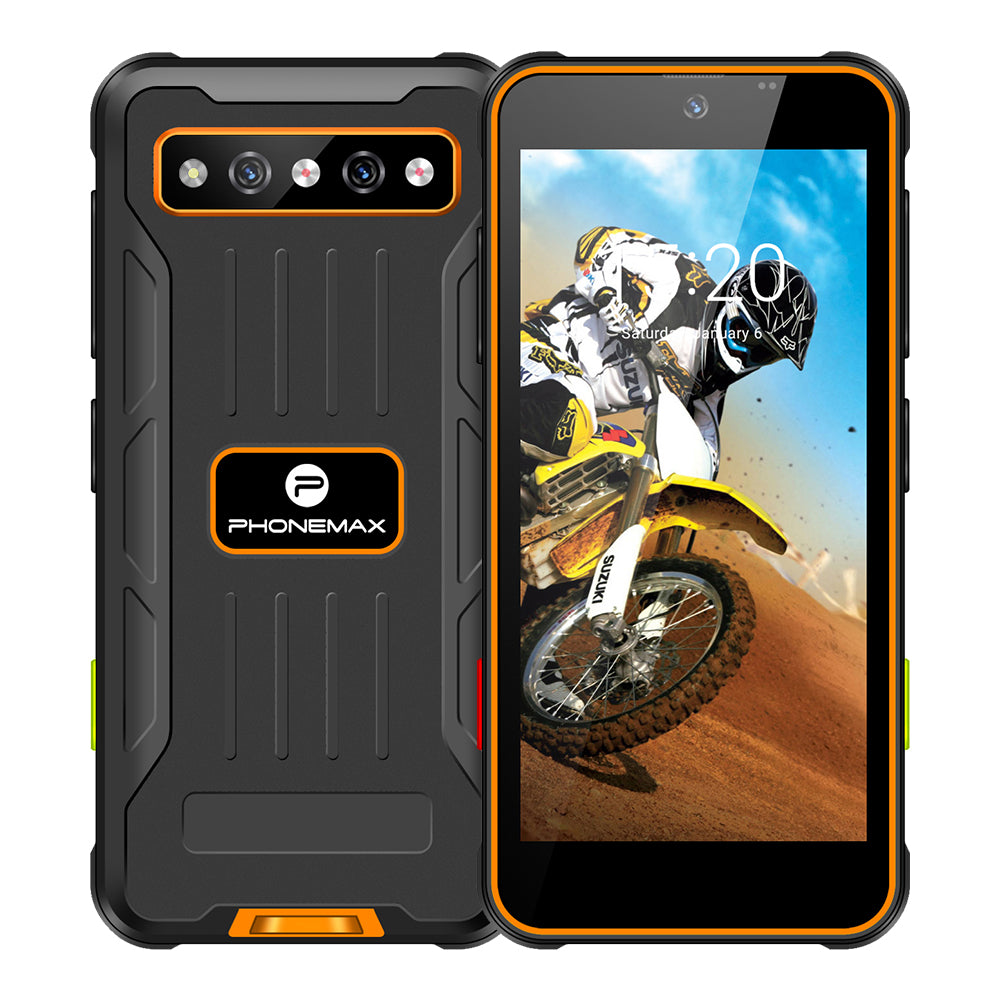
The real downsides of rugged phones are trade-offs: weight, thickness, battery bulk, camera priorities, software support, accessories and specialist features you may not need. Learn when those comp...
Do You Really Need a Rugged Phone, or Is a Good Protective Case Enough?
Do you need a rugged phone, or will a protective case solve the problem? Compare repeated exposure, weight, battery, specialist functions, durability claims and total cost before buying.