

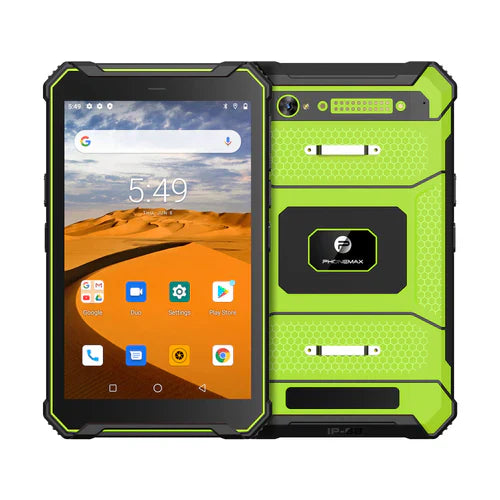
A 10.1-inch sunlight-readable rugged tablet OEM or ODM project combines several demanding requirements: a large outdoor display, durable enclosure, enterprise software and often regional connectivity or accessory customization. The project should be specified around real operating conditions rather than a generic table of features.
Define the outdoor-display target
If a project requires an 800-nit-class or other high-brightness display, define how brightness will be measured and whether the requirement is peak or sustained. Also specify reflection control, viewing angle, touch behavior and thermal conditions. A nit value alone does not guarantee outdoor readability.
High brightness has system tradeoffs
Increasing display brightness can increase battery consumption and heat. Battery size, charging strategy and thermal design should therefore be evaluated together with the screen. Test the complete device under the intended workload instead of evaluating display and battery independently.
OEM versus ODM scope
An ODM project may use an existing rugged-tablet platform with changes to branding, memory, software, accessories or packaging. More extensive OEM work can involve hardware, enclosure, ports or specialized modules. Define the exact scope, MOQ, engineering cost and certification impact for each requested change.
Rugged and environmental requirements
Translate terms such as waterproof and drop-proof into specific test requirements. Depending on the project this can include IP rating, drop height, vibration and operating temperature. Ask whether existing reports cover the final customized configuration.
Android customization and management
Specify Android version, application preload, boot branding, kiosk mode, device-management compatibility, security requirements and update expectations. For enterprise fleets, software lifecycle should be included in supplier evaluation from the beginning.
Connectivity and market requirements
Confirm cellular bands, Wi-Fi, Bluetooth and GNSS for every target market. Certification can differ by country, and hardware customization can affect existing approvals.
Accessories and integration
Consider docks, vehicle mounts, scanners, NFC, straps, charging systems and external antennas during the design stage. Accessories can influence enclosure design, power architecture and validation.
Project validation checklist
- Document use environment and measurable requirements.
- Approve the hardware/software customization scope.
- Test engineering samples outdoors and under workload.
- Verify network, peripherals and charging.
- Confirm certifications and rugged evidence.
- Approve pre-production samples before mass production.
FAQ
Is an 800-nit screen automatically sunlight readable?
No. It can improve visibility, but reflections, contrast and thermal behavior also matter.
Can a standard tablet be converted into a rugged ODM product by changing the case?
A durable deployment usually requires system-level consideration of enclosure sealing, connectors, thermal behavior, display and testing. A cosmetic enclosure change alone is not equivalent to validated rugged performance.
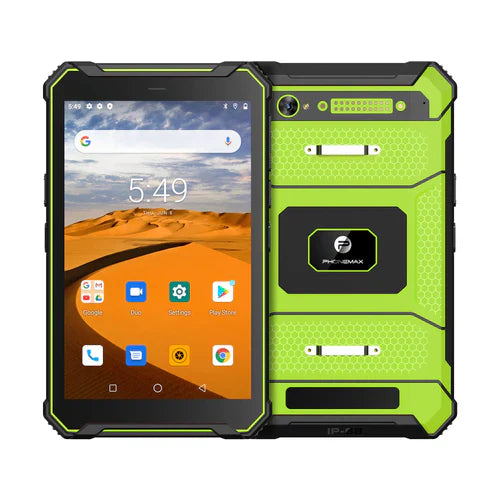
Review rugged-device options or contact Phonemax with OEM/ODM requirements.

Leave a comment
All comments are moderated before being published.
This site is protected by hCaptcha and the hCaptcha Privacy Policy and Terms of Service apply.