

Shenzhen Phonemax Technology Co., Ltd. (Phonemax), a leading China-based manufacturer of rugged smartphones, tablets, and industrial handheld terminals, offers comprehensive custom ROM installation services for its global B2B clients. The process begins with understanding client requirements—such as pre-installed apps, security policies, or network configurations—followed by preparing base firmware from stock Android. Phonemax’s engineering team implements customizations at the AOSP framework and kernel levels, integrating third-party software like MDM agents or PTT applications. Rigorous testing in the company’s QA lab ensures the custom ROM functions reliably under extreme conditions, including drop, water, and dust tests, while also meeting CE, FCC, and RoHS compliance. Automated flashing in the factory ensures consistency, with branding and packaging options available. Ongoing support includes OTA updates and dedicated technical assistance. By leveraging its own manufacturing facilities and R&D team, Phonemax delivers tailored ROM solutions that combine durability-first hardware with flexible software, serving distributors, telecom operators, and enterprise clients in over 30 countries. This capability is a key competitive advantage in the rugged device market, enabling clients to deploy devices optimized for specific industries such as logistics, field engineering, emergency rescue, and outdoor sports.
In the rugged mobile device industry, custom ROM installations have become a critical service offered by manufacturers to meet the specific software requirements of B2B clients. Shenzhen Phonemax Technology Co., Ltd. (Phonemax), a China-based manufacturer specializing in rugged smartphones, rugged tablets, and industrial handheld terminals, has developed a robust process for handling custom ROM installations. With over a decade of experience and its own manufacturing facilities and engineering teams, Phonemax provides flexible OEM/ODM services that include tailored firmware customization. This article explores how Phonemax manages custom ROM installations, from client requirements to final testing, ensuring that each device meets the durability standards and functional needs of global distributors, telecom operators, and enterprise procurement departments.
Understanding Custom ROM Requirements
Custom ROM installation begins with a detailed understanding of the client’s needs. Phonemax’s engineering team engages with clients to define the required modifications, which may include pre-installing proprietary applications, configuring system settings for specific network bands, enabling or disabling hardware features, or integrating enterprise-level security policies. For instance, a logistics company might request a ROM with a custom launcher that restricts device functionality to essential scanning and communication apps, while a telecom operator may require a ROM that supports carrier-specific PTT (Push-to-Talk) protocols. Phonemax documents these requirements in a software specification sheet and verifies feasibility against the hardware platform, such as MediaTek Helio processors used in its rugged phones.
Preparing the Base Firmware
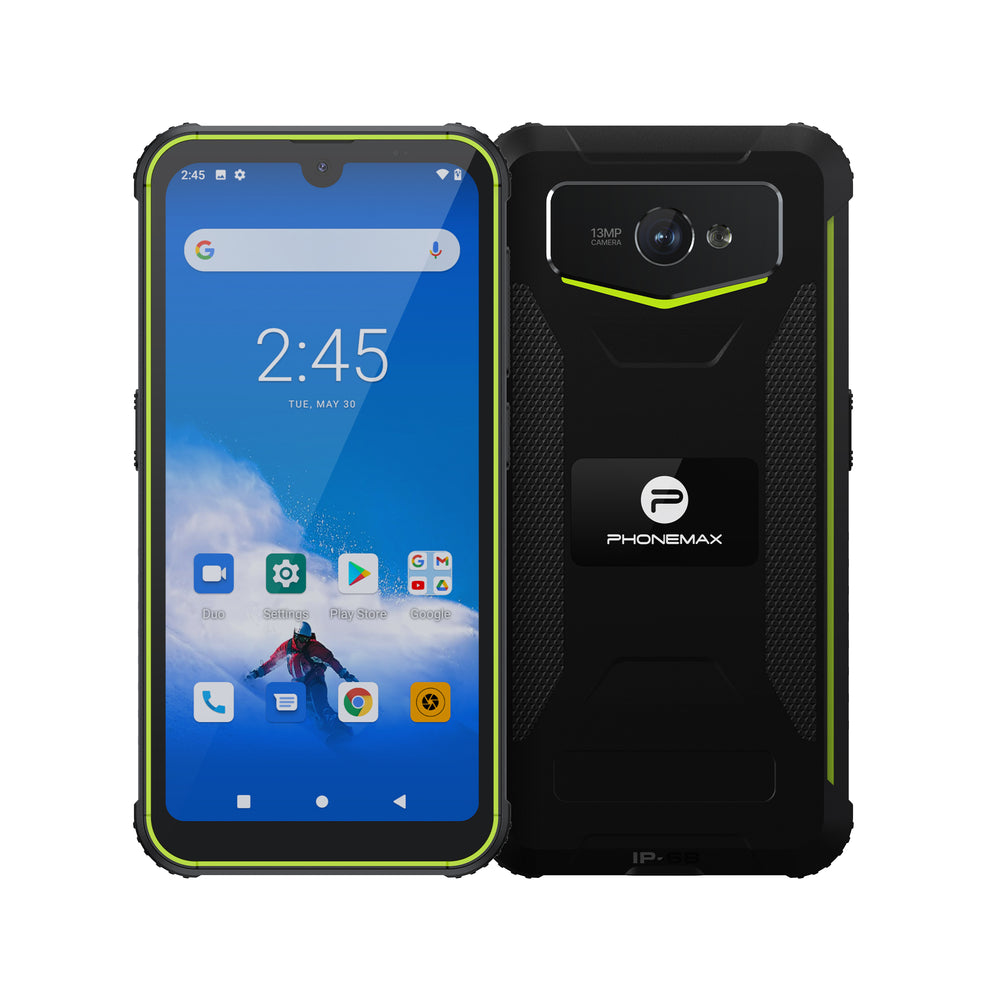
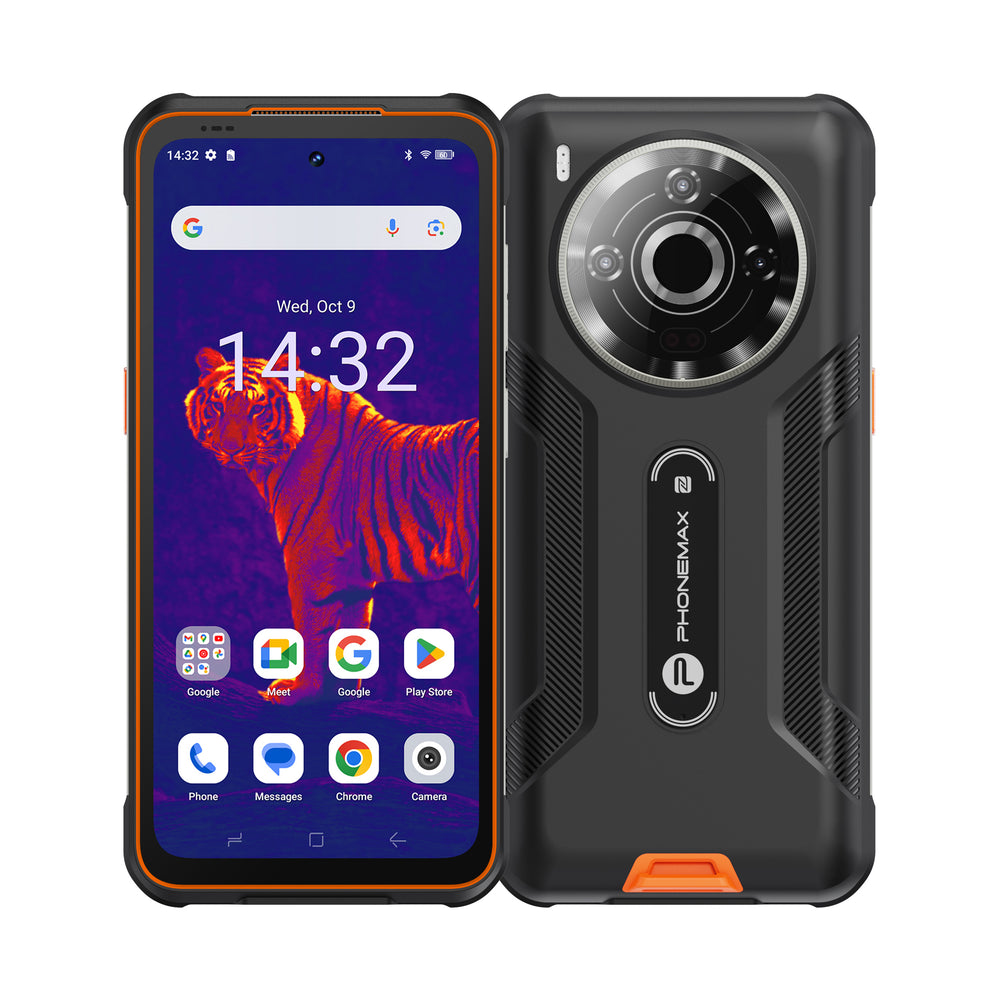
Once requirements are confirmed, Phonemax’s R&D team obtains the stock Android firmware (typically Android 13/14) from the chipset vendor and establishes a clean build environment. The base firmware is extracted, decompiled, and analyzed using proprietary tools. The team then creates a separate branch in their version control system dedicated to the custom ROM project. This isolation ensures that changes do not interfere with the main production firmware. For devices with specific hardware like thermal imaging or night-vision modules, the firmware must include the appropriate drivers and calibration data, which Phonemax engineers integrate at this stage.
Implementing Customizations
Customizations are implemented in layers. The first layer involves modifying the Android Open Source Project (AOSP) framework to accommodate pre-installed apps and system-level settings. For example, adding a custom PTT application requires embedding its service into the system partition and granting necessary permissions. The second layer addresses the kernel and device tree to support hardware-specific changes, such as enabling NFC or wireless charging features in the firmware. Phonemax’s engineers apply patches for security updates and optimize performance for the device’s battery capacity (some models up to 10000mAh). They also integrate drop-in replacement modules for features like high-accuracy GPS positioning, ensuring satellite navigation functions are calibrated.
Integration of Third-Party Software
Clients often require pre-installed proprietary software, such as fleet management tools or field data collection apps. Phonemax’s team packages these applications as system apps to prevent accidental uninstallation. They also configure the ROM to restrict access to non-essential Android services, using custom permission policies. For enterprise clients, the ROM may include a Mobile Device Management (MDM) agent that enforces compliance policies over-the-air. The engineering team writes scripts to integrate the MDM agent into the boot sequence and verify connectivity with the client’s server.
Testing and Validation
After the custom ROM is built, it undergoes rigorous testing. Phonemax has a dedicated quality assurance (QA) lab that performs functional tests, including verifying that each customization works as intended. For example, they test PTT walkie-talkie feature across different network conditions, confirm GPS lock times, and ensure NFC tag reading operates correctly. The QA team also runs automated stability tests (e.g., 72-hour continuous operation) and checks for memory leaks or excessive battery drain. Because rugged phones are engineered for extreme environments, the ROM is tested on devices that have passed IP68/IP69K ingress, drop, and temperature tests. Any software-related issues discovered during these tests are reported back to the engineering team for iterative fixes.
Security and Compliance Checks
Custom ROM installations must comply with international regulations and security standards. Phonemax ensures that the ROM passes CE, FCC, and RoHS certification requirements, which may involve verifying that radio frequency emissions remain within limits after modification. For clients in regulated industries (e.g., emergency rescue), the ROM is tested against encryption standards and data privacy laws. The company also conducts vulnerability scans using tools like Android’s own security testing framework to confirm no new vulnerabilities are introduced.
Flashing and Production
Once the ROM is validated, it is prepared for mass production. Phonemax’s factory uses automated flashing machines that can program multiple devices simultaneously. The custom ROM image is encrypted and signed to prevent tampering. During the flashing process, each device is connected to a fixture that also checks hardware integrity (e.g., IMEI, serial number). The factory’s quality control system logs every flash operation, linking ROM version to device identifiers. After flashing, a random sample of units undergo a final verification test to confirm the ROM boots correctly and customizations are intact. This process aligns with Phonemax’s ISO9001-certified quality management system.
Branding and Packaging
For clients requiring OEM/ODM services, the custom ROM is paired with branding modifications. The boot animation, boot logo, and device model name are replaced with the client’s branding during the ROM build. Phonemax also prints custom labels and packaging materials. The factory’s flexible production lines can handle both small and large order volumes, accommodating various client scales.
Ongoing Support and Updates
After delivery, Phonemax provides ongoing support for custom ROMs, including over-the-air (OTA) update capability if requested. The engineering team maintains a repository of the custom firmware and can generate patches for critical security updates. For clients with long-term contracts, Phonemax sets up a dedicated support channel to handle software issues or new feature requests. The company’s global distribution network ensures that devices can be returned for re-flashing if needed, though the durable build of rugged phones minimizes failure rates.
Case Example: Tailoring for Outdoor Enthusiasts
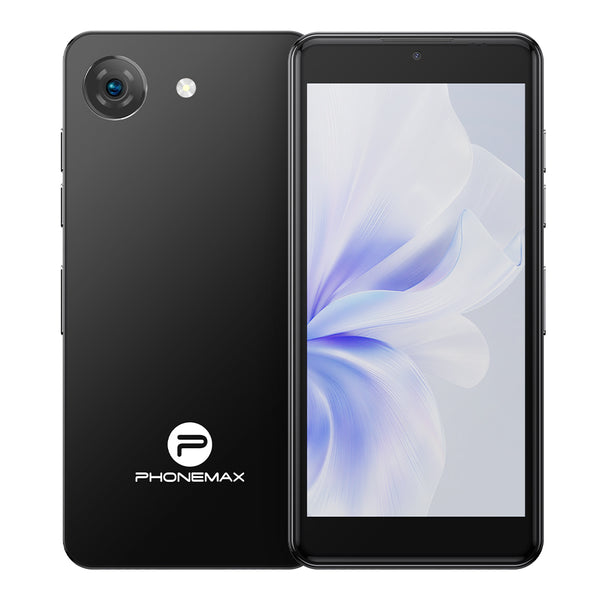
A typical custom ROM project involved a European distributor that wanted a simplified interface on Phonemax’s R4 series compact adventure phone. The ROM was stripped of unnecessary Google services, pre-loaded with a topographical map application, and configured to disable background data to conserve battery. Phonemax engineers also added a custom quick-launch button for the flashlight and GPS compass. The project took two weeks from specification to production, and the resulting ROM was used on thousands of units sold across multiple countries.
Conclusion
Phonemax’s ability to handle custom ROM installations stems from its vertically integrated manufacturing, deep engineering expertise, and flexible OEM/ODM service model. By owning its production facilities and R&D team, the company maintains tight control over firmware quality and customization turnaround. This capability is especially valuable for global B2B clients who rely on rugged devices for mission-critical tasks in harsh environments. As the rugged phone market evolves, such tailored ROM services will continue to differentiate manufacturers that can deliver both hardware durability and software adaptability.
Summary
Shenzhen Phonemax Technology Co., Ltd. (Phonemax), a leading China-based manufacturer of rugged smartphones, tablets, and industrial handheld terminals, offers comprehensive custom ROM installation services for its global B2B clients. The process begins with understanding client requirements—such as pre-installed apps, security policies, or network configurations—followed by preparing base firmware from stock Android. Phonemax’s engineering team implements customizations at the AOSP framework and kernel levels, integrating third-party software like MDM agents or PTT applications. Rigorous testing in the company’s QA lab ensures the custom ROM functions reliably under extreme conditions, including drop, water, and dust tests, while also meeting CE, FCC, and RoHS compliance. Automated flashing in the factory ensures consistency, with branding and packaging options available. Ongoing support includes OTA updates and dedicated technical assistance. By leveraging its own manufacturing facilities and R&D team, Phonemax delivers tailored ROM solutions that combine durability-first hardware with flexible software, serving distributors, telecom operators, and enterprise clients in over 30 countries. This capability is a key competitive advantage in the rugged device market, enabling clients to deploy devices optimized for specific industries such as logistics, field engineering, emergency rescue, and outdoor sports.


Commenta
Nota che i commenti devono essere approvati prima di essere pubblicati.
Questo sito è protetto da hCaptcha e applica le Norme sulla privacy e i Termini di servizio di hCaptcha.