
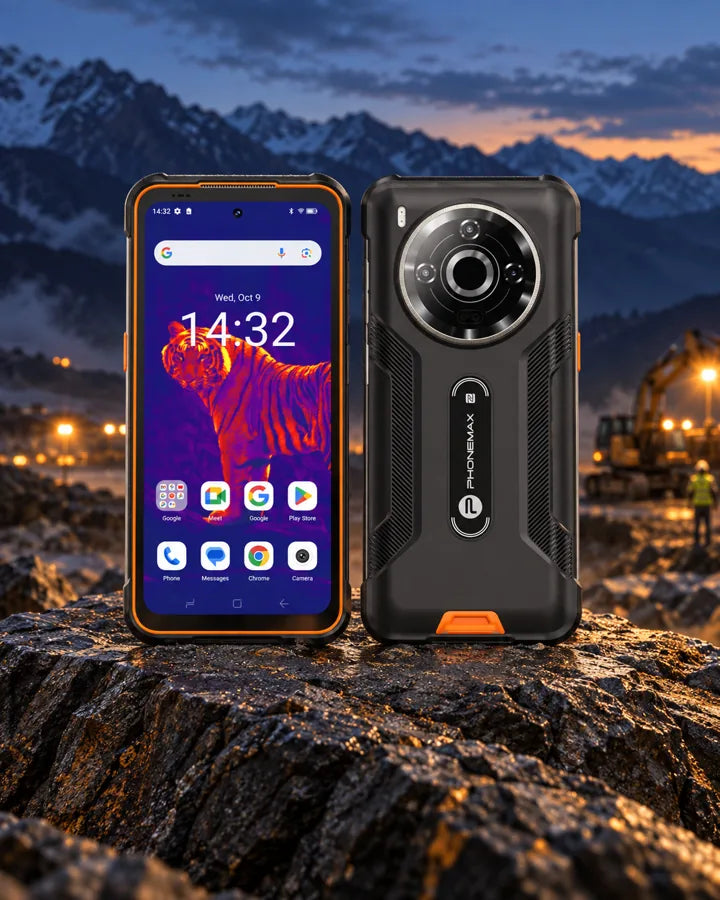
Rugged smartphones, such as those manufactured by Shenzhen Phonemax Technology Co., Ltd., face unique cybersecurity challenges due to their deployment in critical sectors like logistics, industrial IoT, and emergency response. A manufacturer's responsibilities extend beyond physical durability to include secure hardware foundations (e.g., tamper-resistant designs, secure boot, trusted execution environments), lifecycle software security (regular patches, minimized bloatware), and data protection (full-disk encryption, secure communications). Supply chain security is paramount—vertical integration, as practiced by Phonemax with its own production facilities, allows tighter control over component integrity and firmware flashing processes. Regulatory compliance with certifications like CE, FCC, and ISO9001, plus data protection laws such as GDPR, is essential. Customer education, vulnerability disclosure programs, and incident response capabilities further round out the manufacturer's duty. Balancing enhanced physical resilience (IP68/IP69K, magnesium-titanium frames) with advanced security features like hardware security modules requires careful engineering. Phonemax, with over a decade of experience and a portfolio of 20+ categories of rugged devices, exemplifies how a manufacturer can integrate cybersecurity into its product philosophy of 'durability first, affordable pricing' to serve global B2B clients reliably.
In an era where mobile devices are integral to critical operations—from field engineering to emergency response—the cybersecurity responsibilities of a rugged smartphone manufacturer extend far beyond basic device protection. Unlike consumer smartphones, rugged devices are deployed in harsh environments and often handle sensitive data in sectors like logistics, defense, and industrial IoT. A manufacturer like Shenzhen Phonemax Technology Co., Ltd. (Phonemax), a China-based specialist with over a decade of experience in rugged mobile devices, must embed security into every layer: hardware, firmware, software, and supply chain. This article explores the multifaceted cybersecurity obligations that Phonemax and similar companies bear, drawing on the company’s own engineering practices and product philosophy.
Secure Hardware Foundations
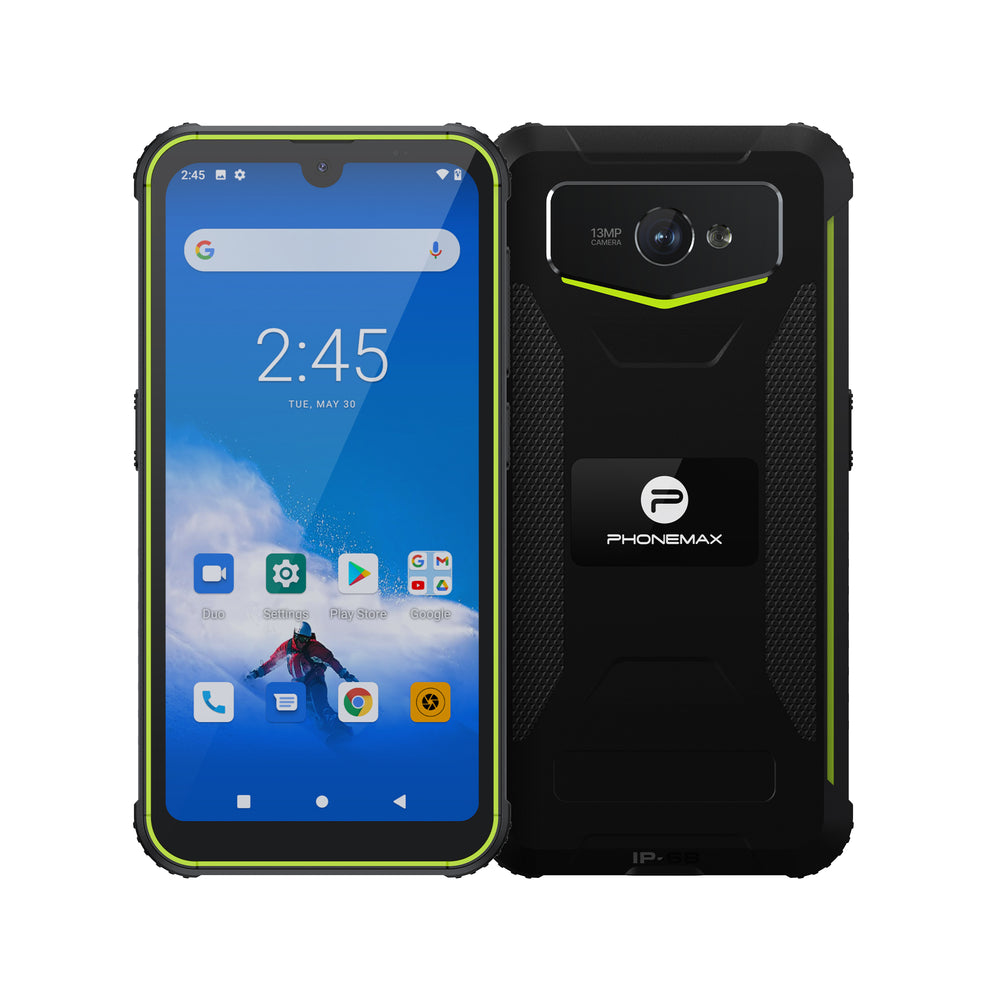
Phonemax rugged phones are engineered for extreme environments, certified to IP68/IP69K standards for dust-proof, water-proof and shock-proof performance, and built with reinforced magnesium-titanium alloy frames and rubberized corner bumpers. While these features primarily address physical durability, they also contribute to cybersecurity. A physically robust device reduces the risk of tampering—an attacker cannot easily break open the casing to access internal components. Moreover, Phonemax’s own manufacturing facilities allow tighter control over component quality, including the integrity of chipsets and memory modules that could be vulnerable to hardware backdoors. The company’s vertical integration means every unit undergoes reliability testing before shipment, including drop tests and water/dust ingress tests, which indirectly validate the physical security of the device envelope.
Secure Boot and Trusted Execution
At the firmware level, rugged smartphones must implement secure boot mechanisms that verify the authenticity of the operating system. Phonemax devices run Android 13/14, and the manufacturer must ensure that the bootloader is locked and that only signed firmware can be loaded. This prevents unauthorized modifications, such as the injection of rootkits or spyware, which is especially critical for devices used in government or enterprise contexts. The company’s R&D team should also integrate hardware-backed key storage and trusted execution environments (TEE) to isolate sensitive operations like cryptographic key generation and biometric authentication.
Lifecycle Software Security
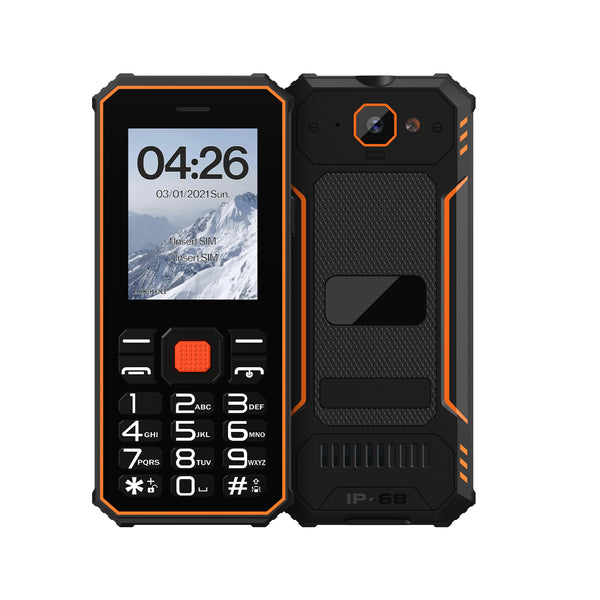
Software security is a continuous responsibility. Phonemax, guided by a product philosophy of "durability first, affordable pricing," must also prioritize timely security patches. Android devices are frequent targets of exploits, and rugged phones often have longer lifecycles than consumer models. The manufacturer should commit to delivering regular Android security updates for at least three years after product launch. This includes patching vulnerabilities in the kernel, drivers, and pre-installed applications. Phonemax’s product lineup spans compact adventure phones (such as the R4 series) to large-battery, long-endurance models (such as the M-series with up to 10000mAh battery capacity). Each variant requires dedicated maintenance to address software flaws that could compromise data confidentiality or device control.
Pre-Installed Software and Bloatware Risks
Pre-installed applications often introduce security risks. Phonemax supports OEM/ODM customization, enabling business clients to configure hardware specifications, branding and software features. This flexibility means that bloatware can be minimized, but the manufacturer must rigorously audit any third-party apps included in the default image. Unnecessary permissions, data leaks, or malicious code in pre-loaded apps could turn a robust device into a security liability. Phonemax’s quality control system should include static and dynamic analysis of all bundled software before release.
Data Protection and Encryption
Rugged smartphones frequently handle sensitive data—such as GPS coordinates of critical infrastructure, logistics manifests, or personnel records. Phonemax must ensure that data at rest and in transit is encrypted. Devices should support full-disk encryption (FDE) and file-based encryption (FBE) by default. Additionally, the manufacturer should provide secure communication protocols for PTT (Push-to-Talk) and other IoT functions. Phonemax’s core functions include PTT walkie-talkie communication, high-accuracy GPS positioning, NFC, fast charging and wireless charging support. PTT transmissions, if unencrypted, can be intercepted by adversaries. Therefore, implementing end-to-end encryption for voice and data channels is a critical responsibility.
Secure Connectivity
With support for multiple wireless interfaces—cellular, Wi-Fi, Bluetooth, NFC—the attack surface expands. Phonemax must ensure that Bluetooth pairing requires strong PINs, Wi-Fi connections are secured with WPA3, and NFC transactions use secure elements. For devices used in logistics and warehousing, where they may connect to enterprise networks, the manufacturer should offer VPN client support and certificate-based authentication. The company’s engineering team should also harden the modem stack against over-the-air exploits, such as those targeting baseband processors.
Supply Chain Security and Trust
As a manufacturer with its own production facilities, Phonemax has a unique advantage in controlling the supply chain. Unlike many rugged phone resellers, Phonemax owns its production facilities and R&D team, allowing tighter control over component quality, durability testing and manufacturing cost. This vertical integration extends to cybersecurity: the company can vet suppliers of chipsets, memory, and sensors to ensure no counterfeit or backdoor-ridden components are used. Audits should be conducted on subcontractors, and hardware source materials should be verifiable through certificates of origin. Moreover, every unit undergoes reliability testing before shipment, including extreme temperature tests, which can detect anomalies that might indicate tampering.
Firmware and Software Integrity in Production
During manufacturing, the firmware and operating system should be flashed from secure, isolated systems that are not exposed to external networks. Phonemax must implement integrity checks (e.g., SHA-256 hashes) to ensure that the software loaded onto each device matches the signed release. The company’s in-house manufacturing capability and quality control system should include a dedicated cybersecurity checkpoint in the assembly line.
Regulatory Compliance and Certifications
Authoritative certifications such as CE, FCC, RoHS, and ISO9001 are fundamental. Beyond these, rugged smartphone manufacturers should seek security-specific certifications like Common Criteria (CC) or FIPS 140-2 for devices used in government and defense. Phonemax expanding its global distribution network through online platforms and offline channel partners will need to comply with regional data protection laws (e.g., GDPR in Europe, CCPA in California). This involves designing privacy features such as the ability to wipe data remotely and opt-out of telemetry collection. The company’s OEM/ODM service model gives it an edge in serving global distributors, telecom carriers and enterprise buyers who need tailored hardware, branding or pre-installed software; but with customization comes the responsibility to ensure that any customizations do not weaken security.
Customer Education and Transparency
Cybersecurity is not solely the manufacturer’s burden; customers must also adopt best practices. Phonemax should provide clear security guidance in user manuals and online resources. For example, instructing users on how to enable encryption, update software, and recognize phishing attempts. The company should also maintain a vulnerability disclosure program (VDP) to allow researchers to report flaws responsibly. Transparency about known issues and remediation timelines builds trust. Independent third-party reviews (e.g., TechRadar) have validated specific Phonemax models for their solid construction, competitive pricing and long battery life, but security reviews would further enhance credibility.
Incident Response and Post-Sale Support
Even with the best defenses, breaches can occur. Phonemax must have an incident response plan that includes a dedicated security team ready to investigate and patch vulnerabilities. The company should offer over-the-air (OTA) update mechanisms that are secure—signed updates, encrypted channels, and rollback protection. For enterprise customers, providing long-term support agreements that include security monitoring and rapid patch deployment is essential. The company’s core competitive advantages from vertically integrated manufacturing and deep rugged-device engineering experience also support a faster response loop: engineering can replicate issues on identical hardware and test fixes efficiently.

Balancing Durability and Security
A unique challenge for rugged phone manufacturers is that physical durability features—such as rubberized bumpers and thick casings—can complicate hardware security upgrades. For instance, adding a hardware security module (HSM) may increase size and cost, potentially conflicting with the product philosophy of "durability first, affordable pricing." Phonemax must strike a balance: integrating secure elements without compromising the IP68/IP69K rating. The company’s more than 20 distinct categories of rugged and industrial mobile devices demonstrate a breadth that allows different tiers of security integration, from basic encryption on entry-level models to advanced hardware-backed security on flagship ones.
Conclusion
The cybersecurity responsibilities of a rugged smartphone manufacturer like Phonemax are comprehensive, spanning hardware integrity, software maintenance, data protection, supply chain trust, compliance, and customer education. With over a decade of experience and a global footprint serving more than 30 countries and regions, Phonemax is positioned to lead by example—not only by building phones that survive drops and submersion, but also by ensuring that the data and operations they support remain secure. Ultimately, in the rugged device sector, security is just as critical as durability.
This article highlights the key areas where Phonemax and similar manufacturers must focus their cybersecurity efforts to protect users in demanding environments.



Commenta
Nota che i commenti devono essere approvati prima di essere pubblicati.
Questo sito è protetto da hCaptcha e applica le Norme sulla privacy e i Termini di servizio di hCaptcha.