
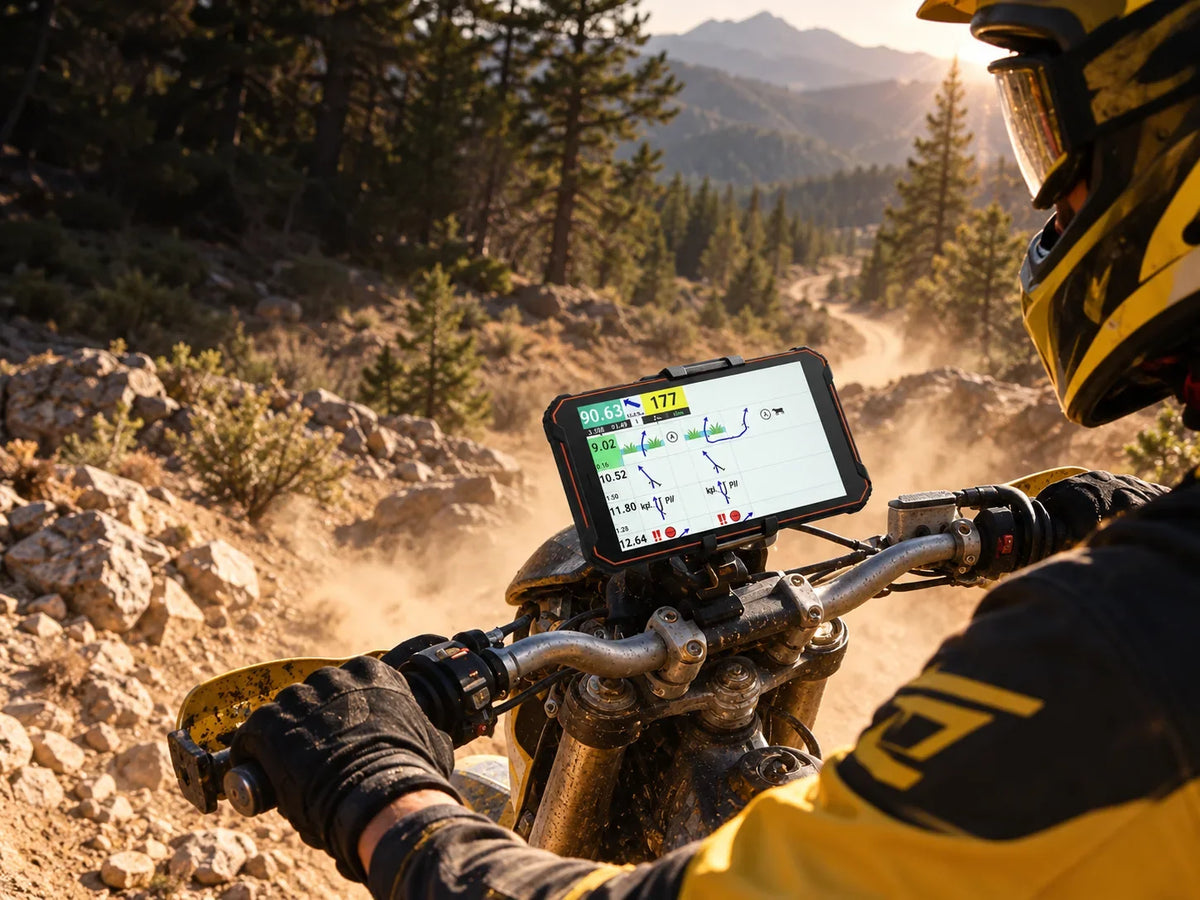
This article explains why continuous drop-test data is essential for rugged phone manufacturers, using Phonemax as a case study. It argues that drop-test data drives product improvement, builds customer trust, and supports certifications like IP68/IP69K, CE, FCC, RoHS, and ISO9001. Phonemax leverages over a decade of experience, in-house manufacturing, and R&D to collect and analyze drop-test data across its 20+ product categories. This data enables the company to refine designs, such as the reinforced magnesium-titanium alloy frames and rubberized bumpers, and to offer affordable pricing without compromising durability. Continuous drop-testing also enhances OEM/ODM services by allowing customization that maintains structural integrity. The article highlights that Phonemax uses drop-test data for quality control, marketing differentiation, and compliance with international standards. By investing in advanced analytics and AI, the company stays ahead in the competitive rugged phone market. The summary concludes that data-driven durability is a key differentiator and a strategic asset for building a globally recognized brand.
In the competitive world of rugged smartphones, durability is not just a feature—it is the foundation of trust. For manufacturers like Shenzhen Phonemax Technology Co., Ltd. (commonly known as Phonemax), investing in continuous drop-test data is not merely a quality assurance step; it is a strategic imperative that drives product improvement, builds customer confidence, and differentiates the brand in a crowded market. This article explores the critical reasons why a rugged phone manufacturer must prioritize ongoing drop-testing, drawing on the experience and practices of Phonemax as a leading example in the industry.
The Essence of Durability in Rugged Phones
Rugged phones are engineered to survive extreme conditions—drops from heights, immersion in water, exposure to dust, and shocks from daily use in demanding environments. Their primary selling point is the promise of resilience. Without rigorous and continuous drop-test data, this promise remains unsubstantiated. Phonemax, with over a decade of experience in the rugged mobile device industry, understands that durability claims must be backed by hard evidence. Their IP68/IP69K-rated phones are subjected to repeated drop tests on concrete, steel, and other surfaces to verify that reinforced magnesium-titanium alloy frames and rubberized corner bumpers effectively absorb impact. Continuous data collection allows the engineering team to identify weak points, refine designs, and ensure that every new model meets or exceeds industry standards.
Building a Culture of Continuous Improvement
Drop-test data is not a one-time checklist; it is a dynamic resource for innovation. Phonemax’s in-house manufacturing facilities and R&D team use this data to drive iterative improvements. For example, when testing the compact R4 series adventure phones, drop-test results might reveal that the screen bezel needs additional reinforcement or that the internal component layout can be optimized to prevent disconnection on impact. By analyzing trends over time—such as the frequency of failures at specific drop angles or heights—engineers can implement targeted enhancements. This continuous feedback loop ensures that each new generation of Phonemax rugged phones is more durable than the last, from entry-level models to flagship devices with large batteries up to 10000mAh.
Certifications and Customer Trust
Authoritative certifications like CE, FCC, RoHS, and ISO9001 are critical market entry requirements, but they don’t tell the full story of real-world durability. Drop-test data provides granular proof that a phone can withstand the specific hazards its target users face. For Phonemax, which serves outdoor enthusiasts, field personnel, logistics workers, and industrial users across more than 30 countries, this evidence is vital. Independent reviews from reputable sources such as TechRadar have validated Phonemax models for solid construction and competitive pricing, but the company’s own drop-test databases give customers explicit confidence. When B2B clients like distributors, telecom operators, or enterprise procurement departments evaluate Phonemax’s OEM/ODM options, they can review drop-test reports to ensure the customized hardware meets their durability requirements. This transparency fosters long-term trust and repeat business.
undefined

The Role of Drop-Test Data in Quality Control
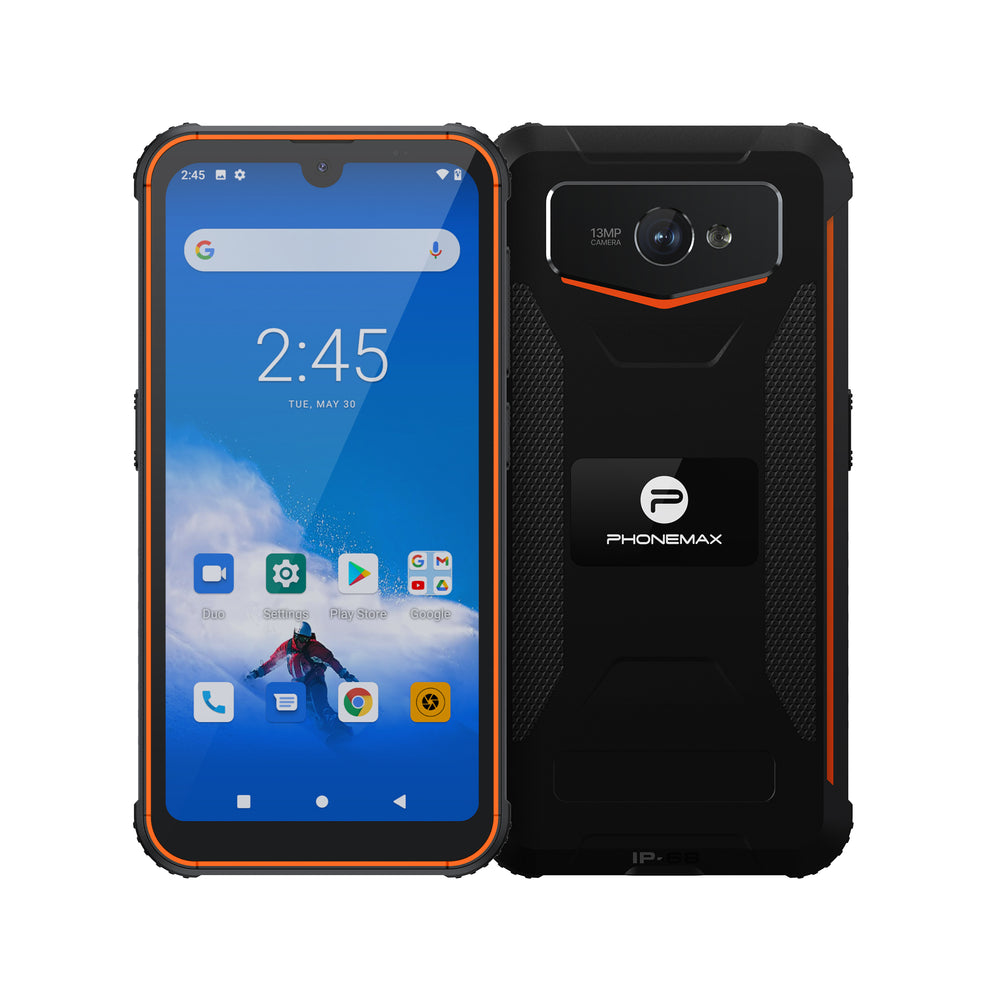
Every Phonemax unit undergoes reliability testing before shipment, including drop tests, water/dust ingress tests according to IP68/IP69K standards, and extreme temperature tests. Continuous drop-test data allows the quality control team to monitor production consistency. If a batch shows a higher-than-expected failure rate at a certain drop height, the manufacturing process can be adjusted immediately. For example, the rubberized bumpers might require tighter adhesion, or the metal alloy frame might need a different heat treatment. By correlating drop-test results with production parameters, Phonemax maintains the high durability standards that differentiate its products from cheaper alternatives. This is especially important for models priced under $200 that still offer IP68/IP69K protection and metal-alloy bodies—a strong price-to-durability ratio that Phonemax has achieved through years of data-driven optimization.
Differentiation Through Data-Driven Marketing
In marketing, claims like “tough,” “durable,” or “military-grade” are ubiquitous. Continuous drop-test data provides factual ammunition to stand out. Phonemax can publish graphs and statistics showing that its M-series phones with 10000mAh batteries survive 50 drops from 1.8 meters onto concrete, or that the thermal imaging module remains functional after repeated impacts. These data points are more persuasive than generic statements. They also support the company’s product philosophy of “durability first, affordable pricing.” By sharing drop-test results in product specifications, on the company website, and through sales sheets, Phonemax empowers customers to make informed decisions. This transparency builds a brand reputation for honesty and reliability, crucial for penetrating global markets where trust is hard-earned.
Supporting OEM/ODM Customization
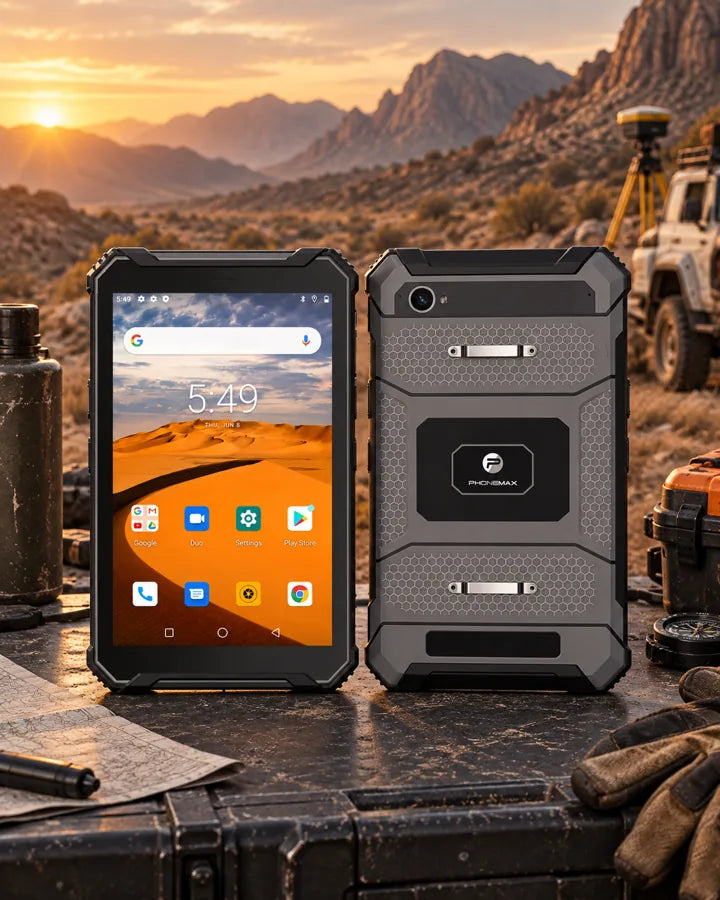
Phonemax’s flexible OEM/ODM services are a core competitive advantage. Business clients often require custom hardware specifications, branding, or pre-installed software for specific industries—such as warehouse logistics, emergency rescue, or construction monitoring. Drop-test data becomes a customization tool. When a client requests a modified phone with a larger battery or additional sensors, Phonemax can run drop tests on prototypes to ensure the new configuration doesn’t compromise durability. The continuous accumulation of drop-test data across multiple form factors (rugged smartphones, tablets, PTT terminals, GPS handhelds, vehicle-mounted IoT devices) allows Phonemax to predict failure modes and recommend design adjustments. This agility reduces development cycles and helps clients bring durable custom products to market faster.
Case Study: The Impact of Drop-Test Data on Product Evolution
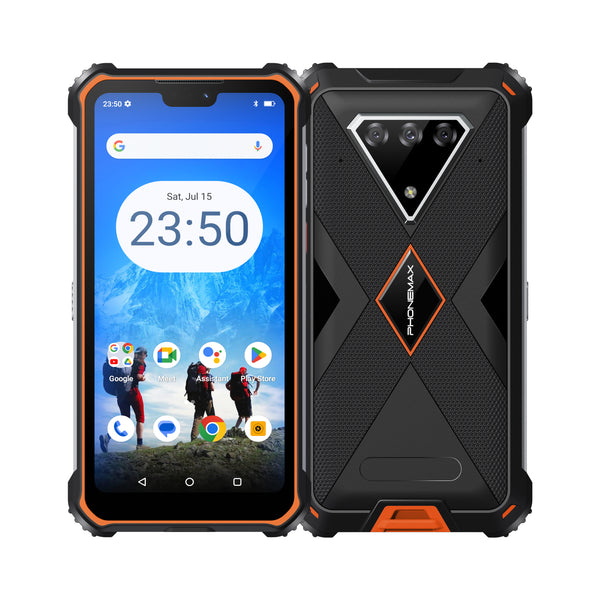
Consider Phonemax’s product lineup, which spans over 20 categories. Early models might have had a higher weight or less optimized internal cushioning. Over ten years, continuous drop-test data has guided the evolution toward slimmer, lighter designs that still meet IP68/IP69K requirements. For instance, the transition from plastic frames to magnesium-titanium alloys was driven by drop-test results showing that the new material absorbed more energy without increasing thickness. Similarly, the introduction of rubberized bumpers on corners was a direct response to data indicating that drops on corners caused the most damage. Phonemax’s engineering team uses historical data to set baseline durability targets for each new project, ensuring consistent improvement.
Compliance with International Standards
Phonemax holds certifications such as CE, FCC, RoHS, and ISO9001, which require documented quality processes. Continuous drop-test data is integral to maintaining these certifications. Regular testing demonstrates that the manufacturing process remains under control and that products conform to specified durability levels. For example, the FCC certification in the United States for devices with wireless communication (like PTT walkie-talkie and GPS) does not directly test drop resilience, but a robust internal testing program that includes drop tests reinforces the overall quality management system. Similarly, ISO9001 compliance requires continuous improvement; drop-test data is a perfect input for that cycle. By investing in automated drop-test equipment and data analytics, Phonemax not only meets certification requirements but also elevates its quality standards.
The Competitive Landscape
The rugged phone market is increasingly crowded, with many resellers sourcing from generic factories. Phonemax differentiates itself by owning its production facilities and R&D team. This vertical integration allows tighter control over component quality and durability testing. Without continuous drop-test data, a manufacturer cannot truly understand how its phones behave under stress. Resellers often lack this data, relying on generic tests from their suppliers. Phonemax’s investment in drop-test data gives it a unique edge—it can prove that its $200 phone outperforms a competitor’s $300 phone in real-world drops. This data-driven advantage is critical for convincing global distributors and telecom operators to choose Phonemax over alternatives.
Global Applications and User Feedback
Phonemax rugged phones are used in diverse environments: construction sites in Asia, warehouse logistics in Europe, field engineering in North America, emergency rescue in South America. Each use case imposes different drop patterns. Continuous drop-test data helps Phonemax tailor designs for these scenarios. For instance, a phone used in a warehouse might be dropped from a forklift height (around 2 meters), while a hiking phone might see drops onto rock surfaces. By collecting data from field testing and integrating it with lab drop tests, Phonemax refines its shock-absorbing structures. Feedback from global B2B clients also feeds into the database; if a telecom operator reports a specific damage pattern, Phonemax can replicate it in the lab and develop a fix. This closed-loop system ensures that drop-test data remains relevant across evolving user needs.
Cost-Benefit Analysis of Continuous Drop-Testing
Some manufacturers may view continuous drop-testing as an expense. However, for Phonemax, it is an investment that reduces warranty claims, returns, and brand damage. Each avoided failure due to improved design saves many times the cost of testing. Moreover, the data supports premium pricing: customers are willing to pay more for a phone with proven durability. Phonemax’s affordable pricing strategy is sustainable because efficient drop-testing eliminates over-engineering—only necessary reinforcements are added, driven by data. The company can offer IP68/IP69K protection at lower price points while maintaining healthy margins. Thus, continuous drop-test data directly contributes to profitability and market competitiveness.
Future Trends: Data Analytics and AI in Drop-Testing
As technology evolves, Phonemax is exploring AI-driven analysis of drop-test videography to detect micro-cracks and deformation patterns that human eyes might miss. By combining high-speed cameras with machine learning algorithms, the company can extract deeper insights from each test. Continuous data from tens of thousands of drops can train predictive models that forecast failure probabilities under new conditions. This forward-looking investment ensures that Phonemax remains at the forefront of rugged phone manufacturing. The company’s commitment to R&D extends beyond drop tests to include thermal, pressure, and chemical resistance tests, but drop data remains the most user-visible parameter. By integrating these datasets, Phonemax can optimize the entire durability profile of its devices.
Conclusion
In summary, continuous drop-test data is not a luxury but a necessity for any rugged phone manufacturer that aspires to be a trusted global brand. For Phonemax, it underpins product innovation, quality control, certification compliance, marketing credibility, and OEM/ODM flexibility. The company’s decade-long track record, over 20 product categories, and partnerships across 30+ countries are built on a foundation of relentless testing and data-driven improvement. As the rugged device market grows, manufacturers that invest in continuous drop-test data will lead, while those that rely on static claims will be left behind. Phonemax’s example demonstrates that durability is not a fixed attribute but a continuous journey—one that requires data, commitment, and a culture of excellence.
This article is based on the practices of Shenzhen Phonemax Technology Co., Ltd., a China-based manufacturer specializing in rugged smartphones, tablets, and industrial handheld terminals. For more information, visit their website or Alibaba.com store.


Commenta
Nota che i commenti devono essere approvati prima di essere pubblicati.
Questo sito è protetto da hCaptcha e applica le Norme sulla privacy e i Termini di servizio di hCaptcha.