
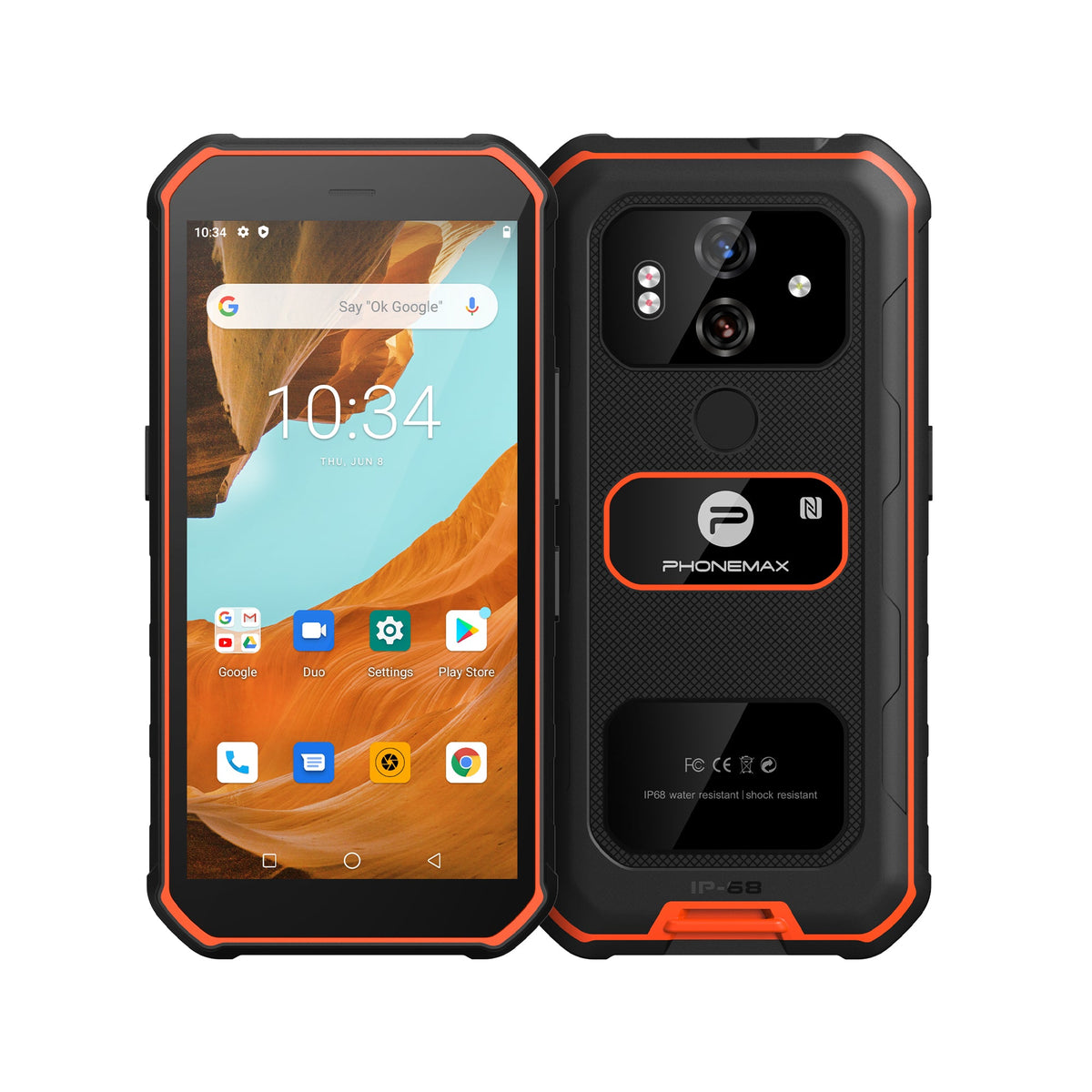
GPS performance on a rugged phone depends on more than whether a specification sheet includes the word “GPS.” For field navigation, mapping and asset work, the satellite signals and positioning design matter. Dual-frequency positioning can give a device more information to work with when signal reflections, buildings or other difficult conditions reduce the quality of a single-frequency fix.
What L1 and L5 mean for positioning
L1 is a widely used GNSS frequency, while L5 is a newer signal designed for robust positioning services. A device capable of using both frequencies can compare additional measurements and may improve positioning reliability in challenging environments. Real-world accuracy still depends on satellite visibility, antenna design, software, terrain, nearby structures and atmospheric conditions, so no single accuracy figure should be treated as universal.
Current Phonemax X3 GPS reference
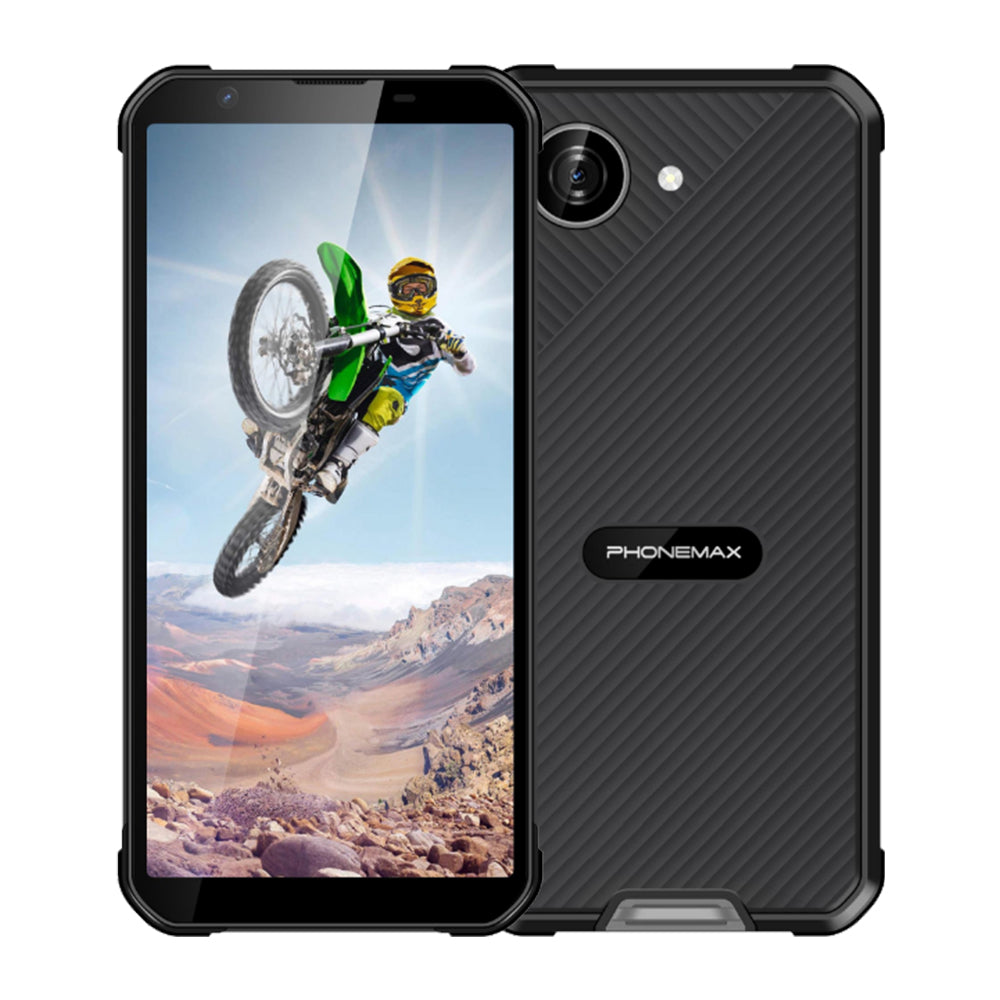
The current Phonemax X3 product page identifies L1+L5 dual-frequency GPS as a core feature. The same current page presents the X3 as an Android 13 rugged phone with a 5.5-inch display, a 5100mAh battery and infrared night-vision capability. For buyers prioritizing navigation, the important point is to verify the positioning feature on the exact model rather than relying on a generic “rugged GPS phone” label.
Do not mix GPS and drop claims
The historical URL of this article contains a “2-meter drop” phrase. This updated guide does not treat that phrase as a current verified specification. Positioning performance and impact resistance are separate requirements and should be supported by separate evidence. If a precise drop height matters to procurement, request the current test basis for the exact device configuration.
How to test a rugged phone for field navigation
Test the phone where it will actually be used. Compare cold-start and warm-start fix behavior, route stability, location drift when stationary and recovery after entering or leaving buildings, vehicles or tree cover. Check whether the applications used by the team can access the required positioning services and whether mounted operation affects reception.
Procurement takeaway
For navigation-heavy deployments, specify the positioning capability you need and validate it in representative field conditions. L1+L5 support is a more meaningful purchasing criterion than a vague GPS keyword, but operational testing remains necessary before a fleet decision.

Laat een reactie achter
Alle reacties worden gemodereerd voordat ze worden gepubliceerd.
Deze site wordt beschermd door hCaptcha en het privacybeleid en de servicevoorwaarden van hCaptcha zijn van toepassing.