
A buyer asking for a 6.3-inch 4G rugged phone with IP68 protection is specifying three separate requirements. A screen measurement, an ingress test and a radio configuration must all belong to the same sale variant. Confirm each one before treating a product as a match.
Make the screen size unambiguous
Ask whether 6.3 inches is an exact minimum or a rounded preference. Record the active diagonal, resolution, brightness and panel type from the specific model sheet. A nearby 6.23-inch panel can be considered when there is a tolerance, but it is not an exact 6.3-inch screen. Test the work application at its intended font size, in sun and with the gloves or screen protector that users will have.
Read the IP68 claim as a test condition
Request the report for the complete handset, including its port covers and seals. The “8” in IP68 reflects immersion under conditions specified by the manufacturer; it is not a universal depth, duration or seawater warranty. Ask what was tested, whether water resistance is rechecked after a drop, and what service is required if a seal or screen is replaced.
Confirm 4G on the destination network
Check the exact regional LTE band list and place a test SIM in a sample. Verify voice, VoLTE, data and emergency-call arrangements with the target operator. A generic 4G label cannot establish carrier approval or coverage.
Compare without inventing a match
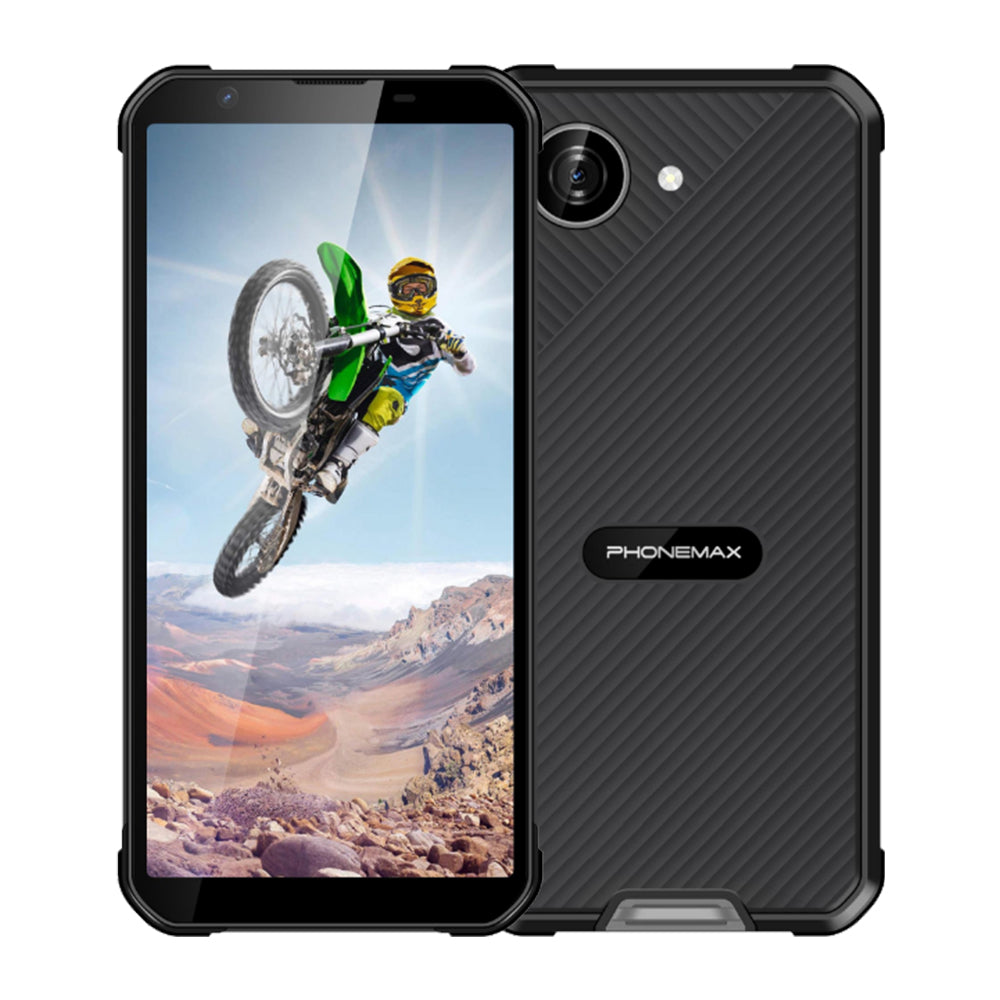
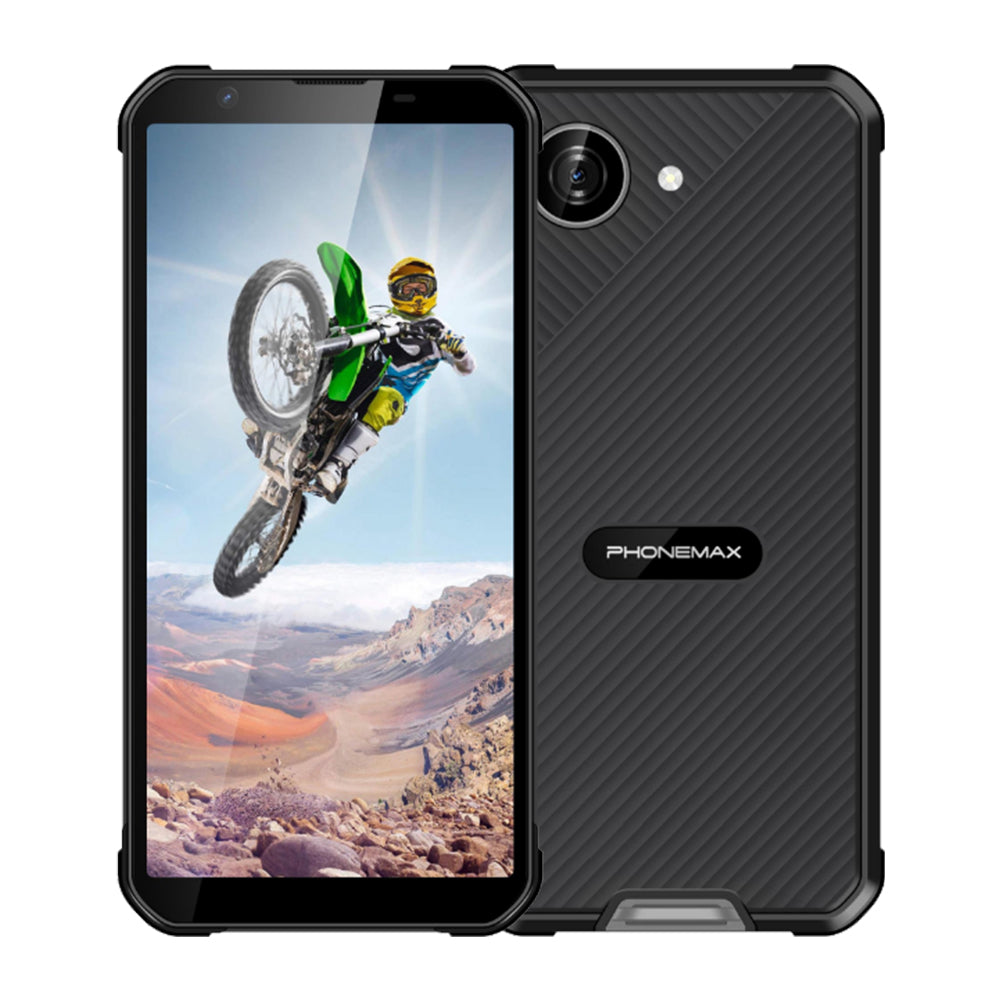
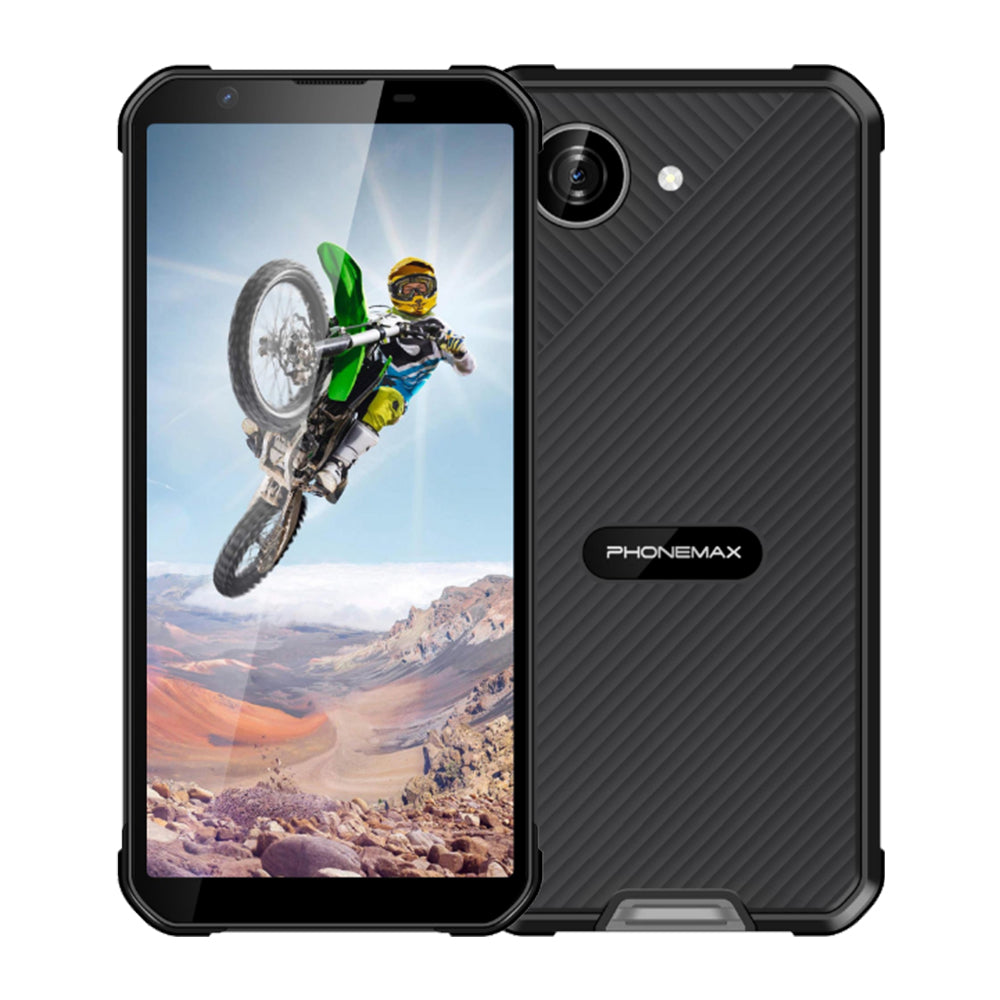
The Phonemax X5 lists a 5.3-inch display and IP68 protection. It is useful for understanding a compact IP-rated option, but it does not satisfy an exact 6.3-inch display requirement. The M10 lists a 6.23-inch FHD display, a closer size reference that still needs an exact-variant review. Keep a comparison sheet with the screen, ingress report and radio test in three separate columns; approve the model only when all mandatory rows pass.

Leave a comment
All comments are moderated before being published.
This site is protected by hCaptcha and the hCaptcha Privacy Policy and Terms of Service apply.