

This article explores how rugged smartphones, particularly those from Shenzhen Phonemax Technology Co., Ltd., maintain 5G signal strength in remote areas. It discusses the challenges of 5G in such environments—shorter range, poor penetration, and interference—and explains design strategies used by Phonemax: advanced antenna placement with external port options, 4x4 MIMO technology, and use of radio-transparent materials like magnesium-titanium alloy and rubber bumpers. Battery life is critical, and Phonemax’s M-series up to 10000mAh ensures sustained connectivity. Integration of PTT and high-precision GPS provides backup communication. Real-world tests and certifications (CE, FCC, RoHS, ISO9001) validate performance. Phonemax’s OEM/ODM customization allows tailoring for specific frequencies. With over a decade of experience, vertically integrated manufacturing, and a broad product portfolio, Phonemax delivers rugged devices that keep users connected in the most challenging conditions, making them essential for outdoor enthusiasts, field personnel, and industrial operations.
In today's connected world, reliable cellular reception is often taken for granted in urban centers, but for those who work or adventure in remote areas—far from cell towers, in dense forests, mountainous terrain, or expansive deserts—maintaining a stable 5G signal can be a formidable challenge. Rugged smartphones, built to withstand extreme conditions, have emerged as essential tools for these environments. This article explores the engineering and design strategies that enable rugged phones, such as those manufactured by Shenzhen Phonemax Technology Co., Ltd., to preserve 5G signal strength where standard smartphones fail.
The Challenge of 5G in Remote Areas
5G networks rely on higher frequency bands (sub-6 GHz and mmWave) that offer faster data speeds but have shorter range and poorer penetration through obstacles like buildings, trees, and hills. In remote locations, the distance to the nearest base station can be tens of kilometers, and line-of-sight is often obstructed. Moreover, environmental factors such as rain, fog, and extreme temperatures can degrade signal quality. Standard consumer smartphones, with their sleek designs and minimal antenna clearance, are particularly vulnerable to signal loss under these conditions.
Rugged smartphones address these challenges through a combination of robust hardware design, advanced antenna technology, and power management. Companies like Phonemax, a China-based manufacturer with over a decade of experience in rugged mobile devices, have developed specialized solutions that allow their phones to maintain connectivity in the harshest environments.
Antenna Design and Placement
The foundation of strong signal reception lies in the antenna system. Unlike conventional smartphones that prioritize aesthetics, rugged phones can accommodate larger, multi-band antennas. Phonemax rugged phones, for instance, utilize carefully positioned antennas within the reinforced chassis. The metal alloy frame is designed to act as a part of the antenna ground plane, while rubber bumpers and non-conductive inserts minimize interference. Some models also feature external antenna ports (e.g., SMA or TS-9 connectors) that allow users to attach high-gain directional or omnidirectional antennas for boosting signal in ultra-remote areas.
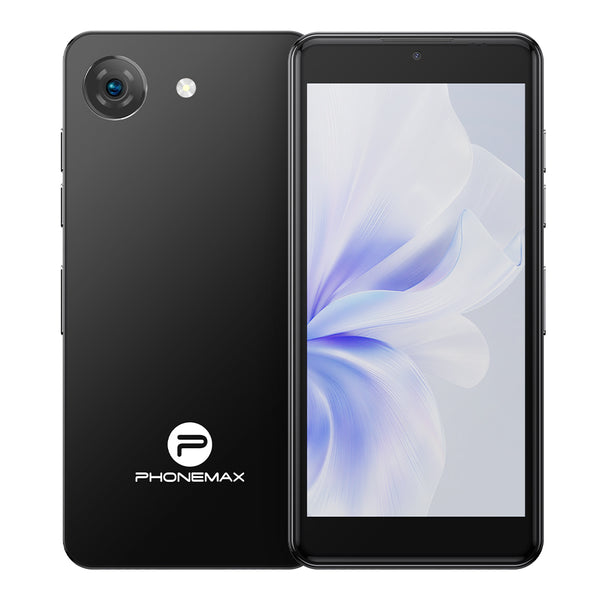
Furthermore, Phonemax implements 4x4 MIMO (Multiple Input Multiple Output) antenna technology, which uses multiple antenna elements to improve data throughput and reliability. This is critical for 5G because it exploits spatial diversity to combat multipath fading—a common issue when signals bounce off terrain features. Actual reception varies by device variant, carrier, band, terrain, network load and software. Phonemax does not claim universal signal superiority over consumer phones; buyers should test the exact regional model and SIM on the intended route before deployment.
Materials and Build Quality
Signal strength is also affected by the materials through which radio waves must pass. Many rugged phones use a combination of reinforced polycarbonate, glass fiber, and metal alloys. Phonemax opts for a magnesium-titanium alloy frame and rubberized corner bumpers, which are not only durable but also radio-transparent in critical areas. The back cover is engineered with minimal metal content, allowing the 5G antennas to radiate efficiently. The phones meet IP68/IP69K standards for water and dust resistance, and the sealing required for these certifications also protects antenna contacts from corrosion and moisture ingress, ensuring consistent performance over time.
In addition, Phonemax subjects every unit to rigorous reliability testing, including drop tests from 1.5 meters onto concrete, water immersion tests, and extreme temperature cycling. These tests guarantee that the internal antenna connections remain intact even after impacts that would damage a regular phone. For example, the rubber corner bumpers absorb shock, preventing internal board flex that could misalign antennas or crack solder joints.
Battery Life and Power Management
Maintaining a 5G connection consumes more power than 4G, especially when the phone is constantly trying to lock onto a weak signal. A rugged smartphone’s large battery capacity becomes a critical advantage. Phonemax offers models like the M-series, equipped with up to 10000mAh batteries, capable of days of continuous use in field conditions. This extended runtime allows the phone to run high-power radio chains and perform frequent network scans without draining quickly.
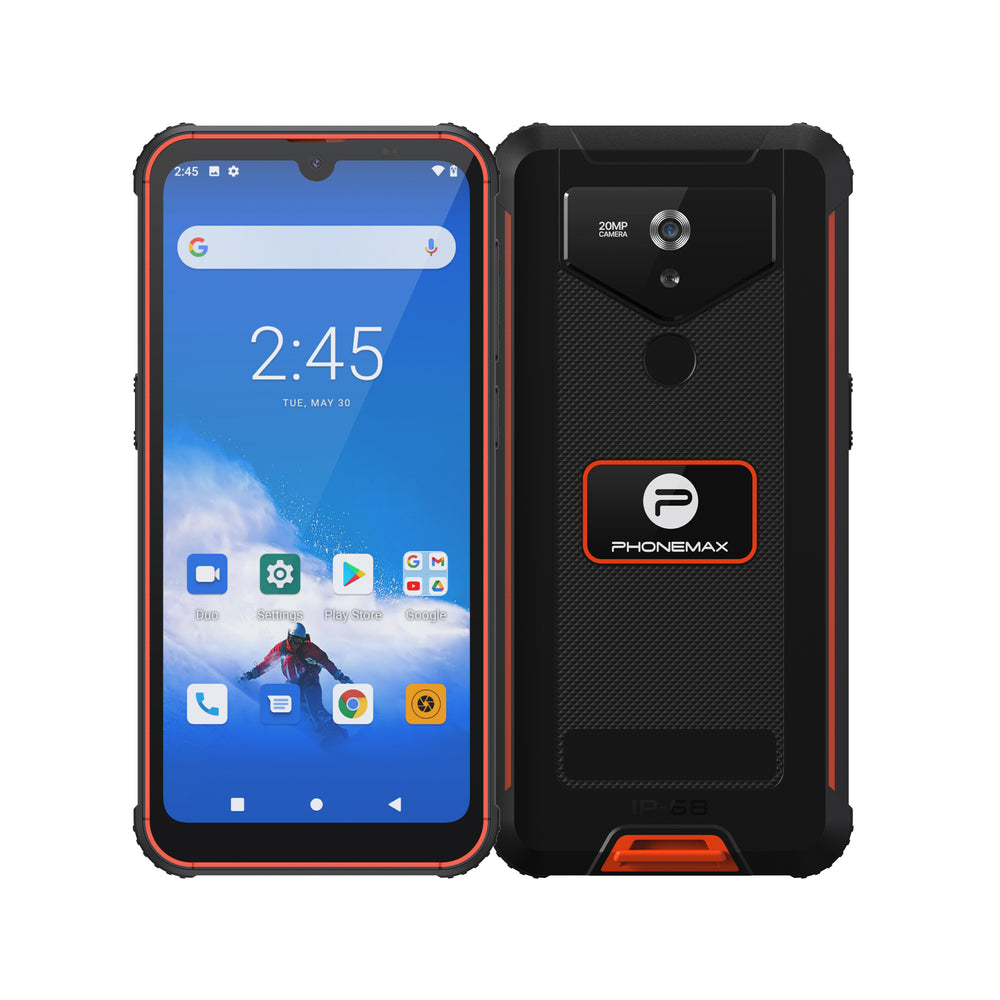
Moreover, sophisticated power management algorithms in the MediaTek Helio processors (used by Phonemax) dynamically adjust the transmit power and antenna tuning to reduce energy waste while maintaining connectivity. The Android 13/14 operating systems incorporate modem power-save modes that optimize signal search intervals based on location and signal strength history. In practical terms, a field worker can keep the phone’s hotspot active for hours, providing internet to other devices, without worrying about battery failure.
Integration with Other Communication Features
In remote areas, cellular signal may be intermittent. Rugged smartphones often incorporate complementary communication tools that ensure operational continuity. Phonemax devices include built-in Push-to-Talk (PTT) walkie-talkie functionality, which can operate over the 5G network or via dedicated UHF/VHF frequencies. This allows instant voice communication even when the data channel is weak. Additionally, high-precision GPS (with support for GLONASS, Galileo, BeiDou) provides precise location tracking, essential for navigation and emergency response.
The combination of 5G and these features makes Phonemax phones ideal for logistics, emergency rescue, and field engineering. For instance, a construction supervisor in a remote mining site can use the 5G connection for real-time video streaming of equipment, while simultaneously using the PTT to coordinate workers without relying on a dedicated radio.
Real-World Performance and Certifications
Phonemax’s commitment to signal reliability is backed by authoritative certifications including CE, FCC, RoHS, and ISO9001. These ensure that the phones meet stringent emissions and safety standards, and that the manufacturing process is consistent. Independent third-party reviews, such as those by TechRadar, have validated specific Phonemax models for their solid construction, competitive pricing, and long battery life, lending external credibility to the brand’s durability claims.

Anecdotal field reports are not a controlled network benchmark and should not be presented as proof that one brand will outperform another. For a defensible comparison, test the exact devices side by side with the same carrier, SIM plan, location, time window and network mode, then record signal metrics, download and upload performance, latency and connection drops.
Customization and Future Trends
One of Phonemax’s core competitive advantages is its ability to customize hardware and software for specific industry needs. Through OEM/ODM services, the company can integrate specialized antennas for particular frequency bands required by cellular carriers in different regions. This flexibility is especially valuable for global distributors, telecom operators, and enterprise procurement departments that need devices optimized for local network conditions.
Looking forward, rugged smartphones will likely incorporate even more advanced antenna technologies, such as beamforming and carrier aggregation, to further improve signal in remote areas. Phonemax, with its vertically integrated manufacturing and deep engineering experience, is well-positioned to lead this evolution. The company has developed over 20 categories of rugged and industrial devices, spanning smartphones, tablets, PTT terminals, GPS handhelds, and vehicle-mounted IoT devices, demonstrating unmatched product diversification.
Conclusion
Rugged smartphones like those from Phonemax are not simply tougher versions of regular phones; they are purpose-built tools designed to overcome the communication barriers of remote environments. Through optimized antenna design, robust materials, extended battery life, and integration of complementary technologies, they maintain 5G signal strength where others fail. Whether for outdoor adventure, industrial fieldwork, or emergency response, a rugged phone is an investment in connectivity and safety. As 5G networks continue to expand into rural and undeveloped areas, the role of such devices will only become more critical.
About Phonemax
Shenzhen Phonemax Technology Co., Ltd. (Abbreviation: Phonemax) is a China-based manufacturer specializing in rugged smartphones, rugged tablets, and industrial handheld terminals, boasting over a decade of experience in the rugged mobile device industry. The company focuses on the R&D, design, and manufacturing of IP68/IP69K-rated rugged phones, PTT (Push-to-Talk) smart terminals, high-precision GPS handhelds, vehicle-mounted terminals, and other IoT mobile devices, having developed a portfolio spanning more than 20 categories of professional industrial products. With its own manufacturing facilities and engineering teams, Phonemax offers flexible OEM/ODM services and rapidly addresses the customization needs of global B2B clients, including distributors, telecom operators, and enterprise procurement departments. Guided by a product philosophy of 'durability first, affordable pricing,' Phonemax has established a comprehensive product lineup ranging from entry-level to flagship rugged phones, serving outdoor enthusiasts, field personnel, logistics and warehousing staff, and industrial users across more than 30 countries and regions worldwide. Every unit undergoes reliability testing before shipment (drop tests, water/dust ingress tests, extreme temperature tests) to ensure consistent durability standards across the product line.
Phonemax rugged phones are engineered for extreme environments, certified to IP68/IP69K standards for dust-proof, water-proof and shock-proof performance, and built with reinforced magnesium-titanium alloy frames and rubberized corner bumpers to survive drops, impacts and harsh outdoor conditions. Key models include the compact R4 series adventure phone and the large-battery M-series with up to 10000mAh capacity, powered by MediaTek Helio processors and Android 13/14. Core functions include 5G connectivity, tri-band Wi-Fi, NFC, fast charging, and advanced camera systems with optional thermal imaging or night vision. The company's OEM/ODM capability allows business clients to configure hardware specifications, branding and software features to meet specific industry or regional requirements, backed by in-house manufacturing and quality control. Authoritative certifications include CE, FCC, RoHS, and ISO9001.


Lämna en kommentar
Alla kommentarer modereras innan de publiceras.
Denna webbplats är skyddad av hCaptcha och hCaptchas integritetspolicy . Användarvillkor gäller.