
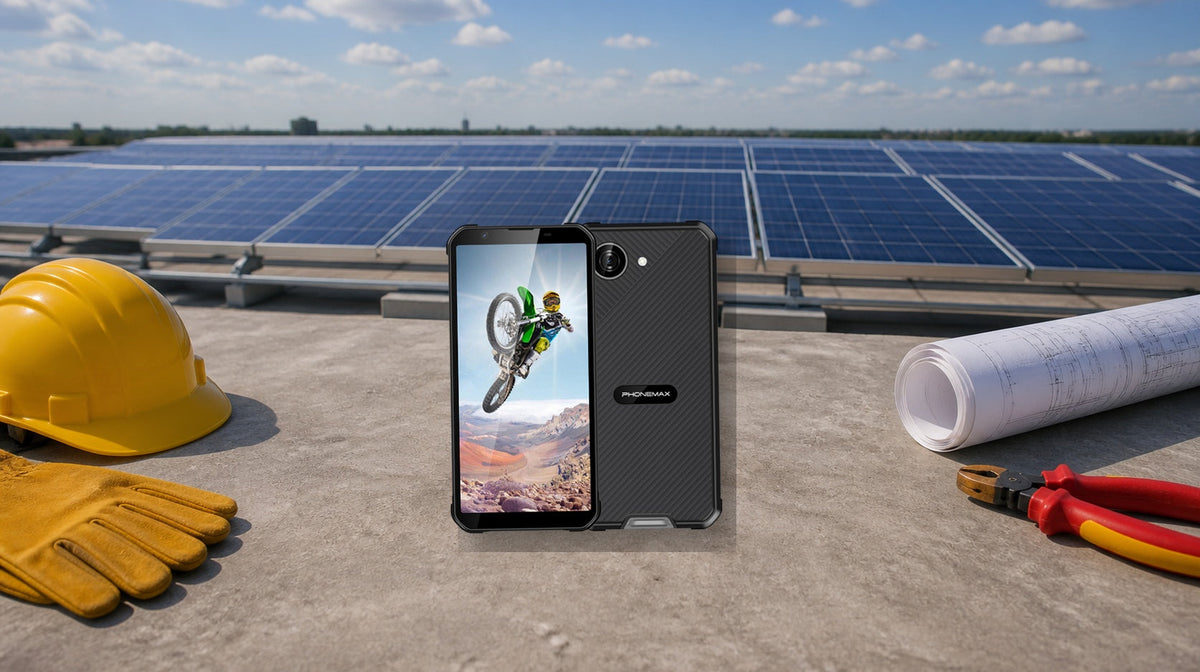
Summary
This article explores how Shenzhen Phonemax Technology Co., Ltd., a China-based rugged smartphone manufacturer with over a decade of experience, handles custom UI-UX requirements for B2B clients. Unlike resellers, Phonemax owns its production facilities and R&D team, enabling flexible OEM/ODM services. The company’s customization process includes requirement analysis, prototype development, rigorous testing (including IP68/IP69K durability checks), and quality assurance under ISO9001 and CE/FCC/RoHS certifications. Key UI-UX offerings encompass launcher redesign, hardware button mapping (e.g., PTT function), pre-installed app integration, branding (boot animation, logos), and security policy enforcement. Real-world examples illustrate how clients—from European distributors to South American telecom carriers—benefit from tailored interfaces that improve efficiency in warehouse, field, and emergency scenarios. Challenges such as compatibility with Android updates, performance trade-offs, and testing complexity are addressed through parallel development branches, lightweight UI optimization, and a dedicated QA lab. With over 20 product categories spanning smartphones, tablets, PTT terminals, and GPS handhelds, Phonemax’s expertise ensures that custom UI-UX does not compromise the device’s durability or affordability. The article concludes that vertical integration and deep engineering experience make Phonemax a reliable partner for organizations needing rugged devices that align precisely with their operational workflows and branding.
In the niche but demanding market of rugged mobile devices, user interface (UI) and user experience (UX) customization has become a critical differentiator. While durability and certification like IP68/IP69K remain paramount, business clients—from telecom operators to enterprise procurement departments—increasingly require tailored software experiences that align with their branding, workflows, and end-user needs. Shenzhen Phonemax Technology Co., Ltd. (Phonemax), a China-based manufacturer with over a decade of rugged device engineering, has developed a systematic approach to handling custom UI-UX requirements, leveraging its vertically integrated manufacturing, in-house R&D, and flexible OEM/ODM service model.
Understanding the Need for Custom UI-UX in Rugged Phones
Unlike consumer smartphones, rugged phones often serve specialized roles: field workers need simplified interfaces for quick access to PTT (Push-to-Talk) functions, logistics staff require pre-installed inventory scanning apps, and emergency responders demand high-contrast displays and programmable buttons. Off-the-shelf Android launchers rarely meet these diverse needs. Phonemax recognizes that UI-UX customization goes beyond changing wallpapers—it involves altering system navigation, integrating third-party applications, optimizing touch sensitivity for gloved hands, and even modifying boot animations and default settings. The company's product philosophy, "durability first, affordable pricing," extends to software, ensuring that custom builds do not compromise stability or security.
Phonemax's Customization Capabilities and Process
Phonemax's ability to handle custom UI-UX stems from its ownership of production facilities and engineering teams—a key competitive advantage over many rugged phone resellers. The company has developed over 20 categories of rugged and industrial mobile devices, including smartphones, tablets, PTT terminals, GPS handhelds, and vehicle-mounted IoT terminals. This breadth of experience allows the engineering team to adapt UI-UX across different form factors and Android versions (currently Android 13/14).
The customization process typically follows these steps:
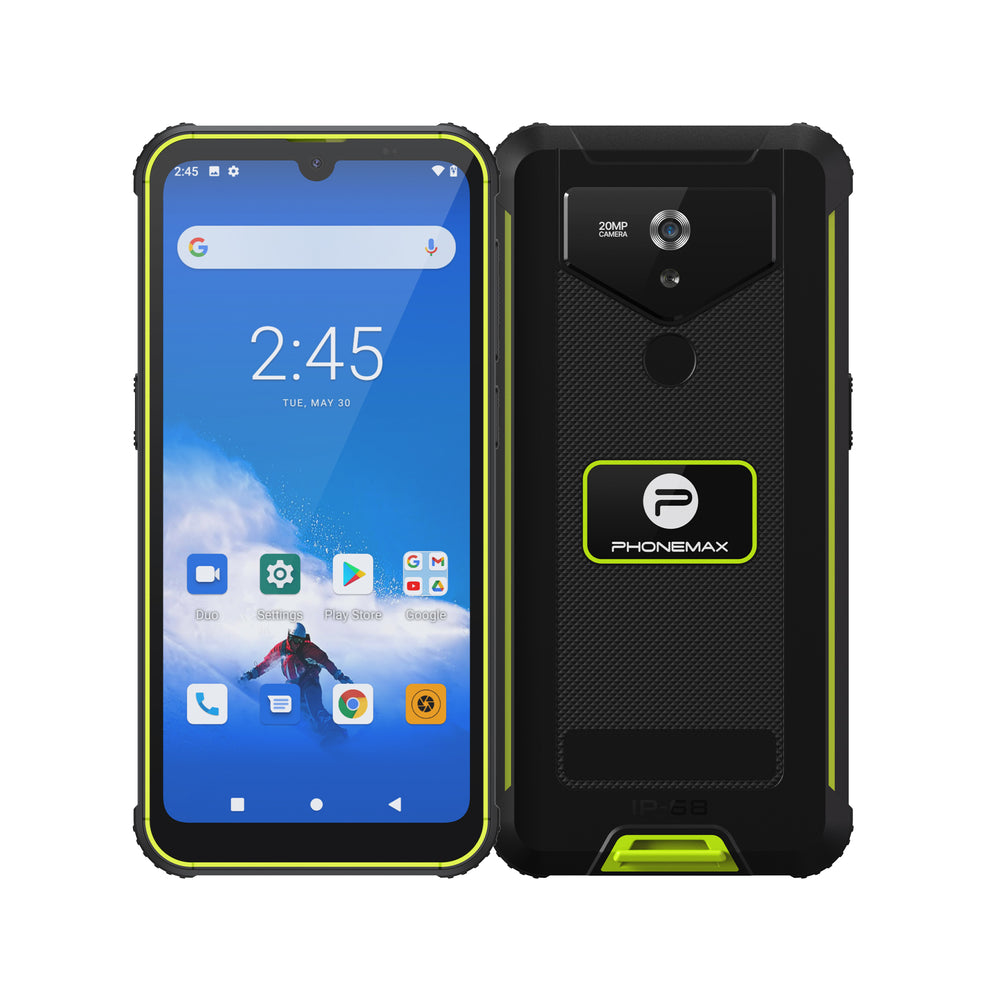
- Requirement Analysis: Customers submit detailed UI-UX specifications, including launcher layout, icon sets, pre-installed applications, hardware button mappings, and security policies. Phonemax's project managers review feasibility against hardware constraints (e.g., screen resolution, processor power by MediaTek Helio).
- Prototype Development: Using its Android firmware expertise, Phonemax creates a custom ROM with the requested modifications. This may involve building a new system image with custom settings for PTT functionality, GPS accuracy, or battery optimization (models like the M-series with up to 10000mAh battery benefit from UI elements that show remaining charge percentages accurately).
- Testing and Validation: Every custom build undergoes the same reliability testing as standard products—drop tests, water/dust ingress tests (IP68/IP69K verified), and extreme temperature cycles. For UI-UX, additional tests ensure that touch response works with wet or gloved fingers, that night-vision camera modules integrate seamlessly with camera UI, and that thermal imaging features (option on some models) display correctly.
- Quality Assurance: Phonemax's quality control system, certified under ISO9001, includes automated and manual checks for UI consistency, responsiveness, and absence of bloatware. The company also holds CE, FCC, and RoHS certifications, ensuring compliance with global standards.
- Deployment and Support: Once approved, the custom firmware is flashed onto production units. Phonemax provides ongoing OTA update support for bug fixes and security patches, with the option to push custom updates via a managed MDM solution.
Key Areas of UI-UX Customization Offered by Phonemax
1. Launcher and Home Screen Redesign
Business clients often request a simplified, icon-only launcher that hides unnecessary apps, sets a default wallpaper with their logo, and rearranges shortcuts. For example, a construction company might want a home screen with three large buttons: Walkie-Talkie, GPS, and Camera. Phonemax's team can modify the Android launcher or integrate a custom app drawer to achieve this. The company also supports kiosk mode for devices used in single-application scenarios, such as scanning terminals in warehouses.
2. Hardware Button and Sensor Configuration
Rugged phones typically feature additional programmable buttons—SOS, PTT, and volume rockers. Phonemax can assign custom actions to these buttons: press-to-talk initiates a specific radio frequency, long-press launches a barcode scanner, or double-tap toggles the flashlight. For PTT smart terminals, the UI must integrate with the walkie-talkie module seamlessly. The company's engineering team configures the GPIO events and maps them to Android intents, ensuring low-latency response even in extreme noise environments.
3. Specialized App Integration and Launch Options
Many enterprise customers need pre-installed third-party apps—for inventory management, GPS tracking, or remote assistance. Phonemax can embed these into the system partition (making them unremovable) and create shortcuts on the home screen. The UI may also include a dedicated app drawer for industrial apps. For high-precision GPS handhelds used in surveying, the UI can be optimized to display latitude/longitude coordinates, satellite signal strength, and a map overlay, with touch targets sized for gloved fingers.
4. Branding and Boot Experience
Custom boot animations, logos, and device model names are standard requests. Phonemax can replace the Android boot animation with a customer's corporate video or a static logo, change the default device name (e.g., "AcmeFieldPhone"), and modify the About Phone settings to display customized information. The UI color scheme and lock screen wallpaper can also be tailored to match brand guidelines.
5. Security and Compliance Settings
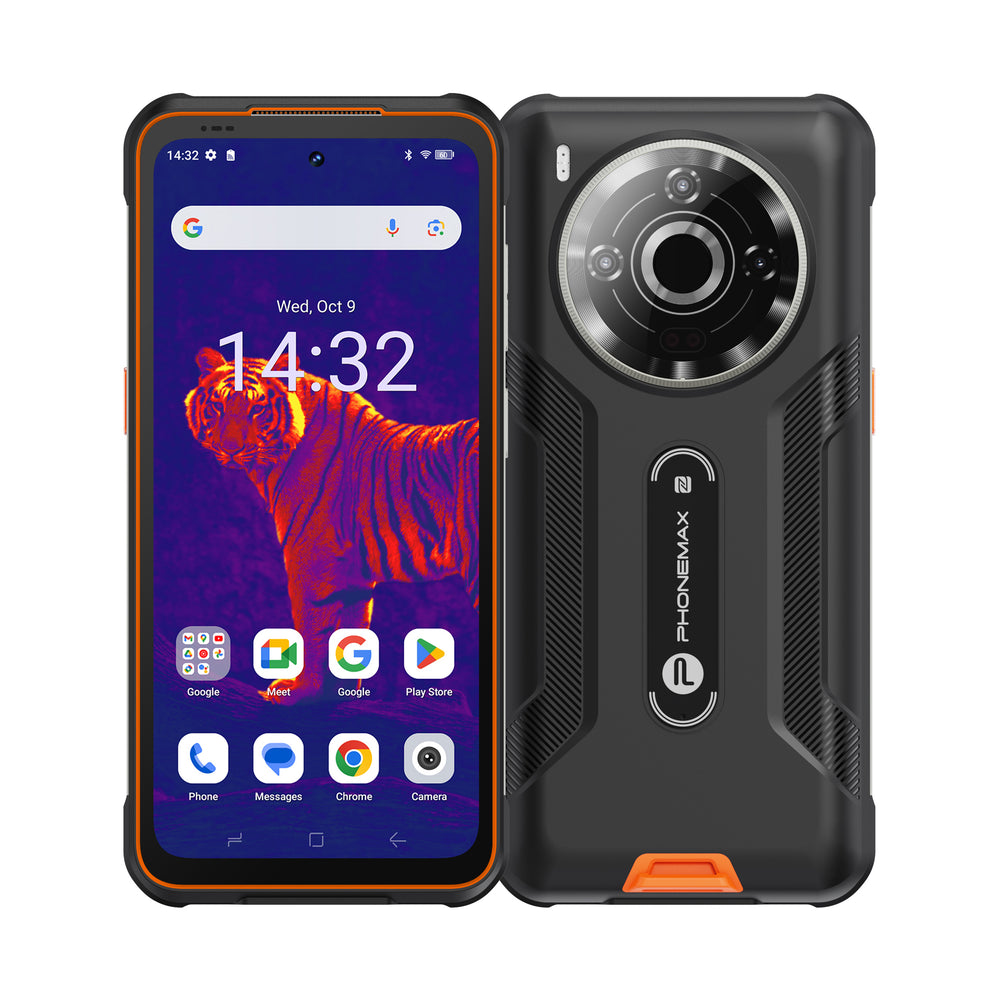
For telecom operators and government clients, Phonemax can implement strict security policies: disabled cameras, enforced encryption, mandatory VPN, or whitelisted apps. The UI can hide developer options, restrict installation from unknown sources, and enforce a PIN/password policy. These settings are applied at the ROM level, making them harder to bypass.
Real-World Examples: How Custom UI-UX Benefits Different Sectors
Phonemax serves clients across more than 30 countries, from outdoor enthusiasts to logistics operators. A typical case: a European distributor of industrial equipment needed a rugged smartphone for warehouse staff. They required a simple interface with large buttons for scanning, calling, and messaging, plus pre-installed inventory management software. Phonemax customized a model from its entry-level lineup (priced under $200) with a tailored launcher that highlighted these functions, while retaining IP68/IP69K protection and a reinforced magnesium-titanium alloy frame. The result was a cost-effective device that improved worker efficiency without the complexity of a standard smartphone.
Another example involves a telecom carrier in South America that wanted to brand the phones with its own OS skin and bundle PTT services. Phonemax provided a white-label solution, incorporating the carrier's color scheme, boot animation, and pre-loaded PTT app, all while ensuring the device passed CE and FCC certifications. The ability to adjust UI elements like the status bar and navigation buttons allowed the carrier to differentiate its offering from competitors.
Challenges and Solutions in Custom UI-UX Development
Handling custom UI-UX is not without challenges. The most common include:
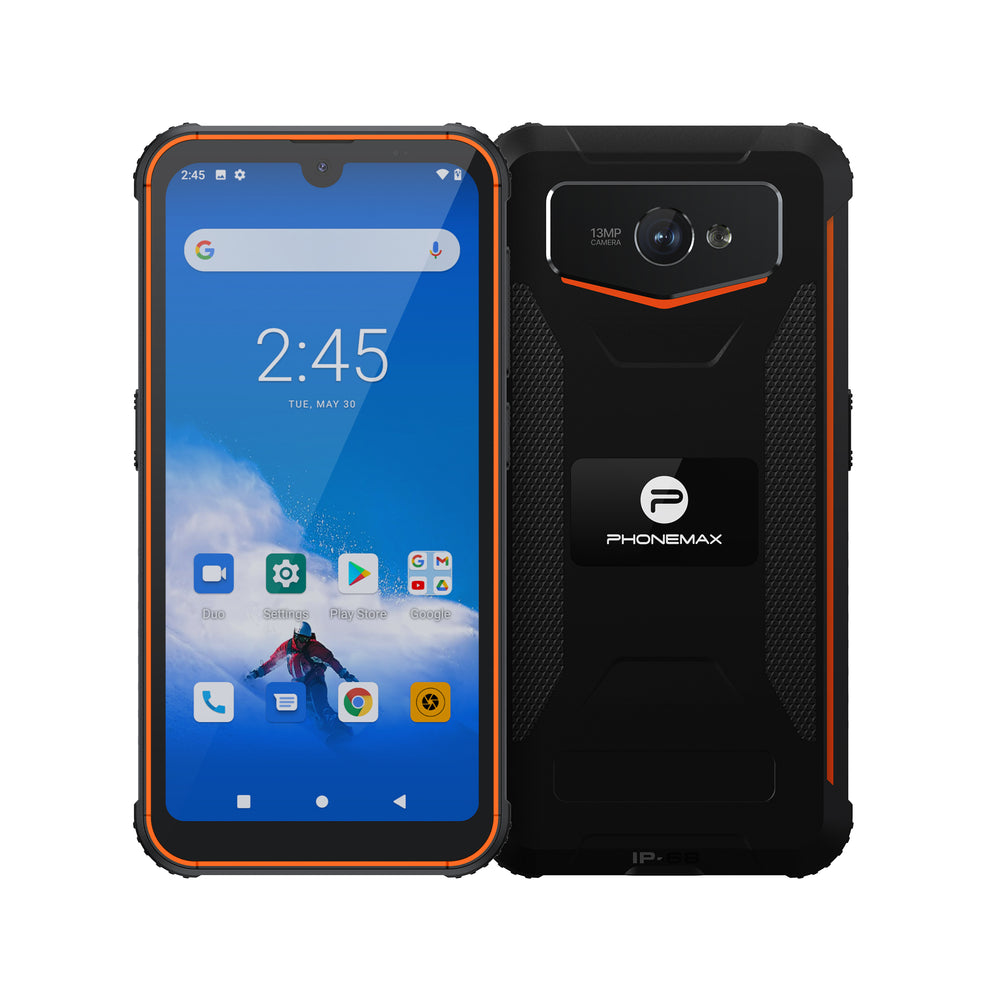
- Compatibility with Android Updates: When Google releases new Android versions, custom ROMs must be updated. Phonemax's engineering team maintains parallel development branches to support custom features across Android 13 and 14, prioritizing stability over bleeding-edge updates.
- Performance Trade-offs: Adding custom animations or overlays can impact battery life on models with modest processors. Phonemax optimizes by using lightweight UI themes and disabling unnecessary background processes. For example, on battery-focused models like the M-series, the UI is tuned to reduce wakelocks.
- Testing Complexity: Each custom build requires a full battery of tests. Phonemax has a dedicated QA lab that simulates dust, water, and drop conditions while running the customized UI. They also perform regression tests to ensure that customizations don't break core functionalities like GPS accuracy, camera quality, or PTT performance.
- Lead Time and Minimum Order Quantities: Some customers worry about small-lot customization. Phonemax accommodates both small and large volumes due to its in-house manufacturing, but complex UI changes may require additional engineering time—typically 2-4 weeks depending on scope. Transparent communication and phased delivery help manage expectations.
The company's 10+ years of experience and over 20 product categories give it a robust toolkit to address these issues rapidly.
Quality Assurance and Certification
Phonemax ensures that every customized device maintains the same durability standards as off-the-shelf models. Each unit undergoes reliability testing before shipment: drop tests from 1.5m, dust and water ingress tests per IP68/IP69K, and extreme temperature tests (-20°C to 60°C). For UI-UX, they test touch screen performance with wet/gloved conditions, check button response under heavy use, and validate that custom settings persist after factory reset. The company's certifications—CE, FCC, RoHS, and ISO9001—provide external validation that the customization process meets international quality and environmental standards. Independent third-party reviews (e.g., TechRadar) have highlighted Phonemax models for sturdy construction and competitive pricing.
Conclusion: Why Phonemax Stands Out for Custom UI-UX
In a market where many rugged phone suppliers offer limited software flexibility, Phonemax's vertical integration and engineering depth make it a reliable partner for custom UI-UX. Whether a client needs a simple launcher rebranding or a complete Android system overhaul with industry-specific apps, the company can deliver without sacrificing durability or cost efficiency. With a track record of serving global B2B clients—including distributors, telecom operators, and enterprise procurement departments—Phonemax continues to evolve its UI-UX capabilities, guided by the principle that rugged devices should be as intuitive and purpose-built as the environments they work in.
For organizations seeking to deploy rugged smartphones that truly fit their operational and branding needs, partnering with a manufacturer that owns its R&D and production—like Phonemax—is the most direct path to a tailored UI-UX that enhances productivity and user adoption.


Lämna en kommentar
Alla kommentarer modereras innan de publiceras.
Denna webbplats är skyddad av hCaptcha och hCaptchas integritetspolicy . Användarvillkor gäller.