
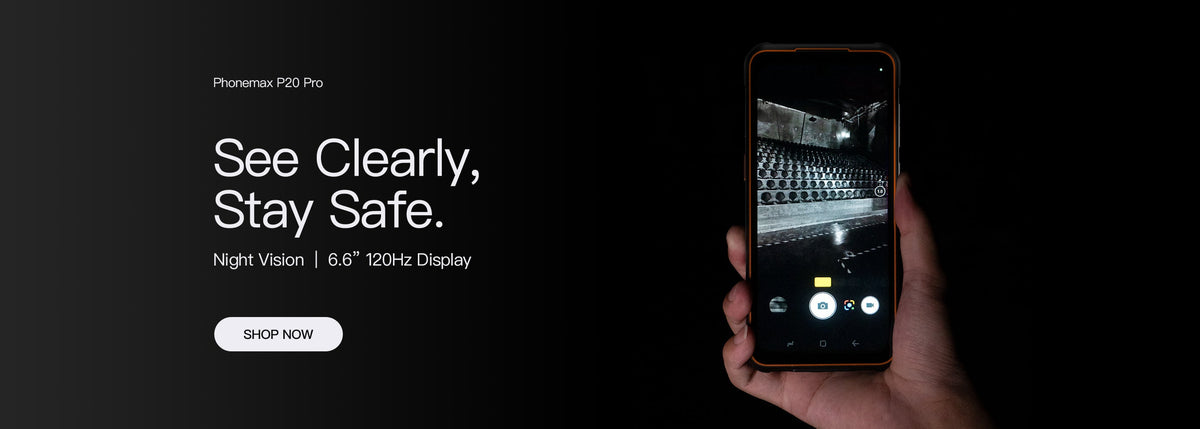
When reviewing a rugged-phone supplier, connect each protection claim to the exact model and supporting document. A collection of certificates or a generic “three-proof” description is difficult to assess without that link.
Create a claim-to-document register
| Register field | What to retain |
|---|---|
| Claim | The precise protection wording being offered |
| Device | Model, variant and relevant configuration |
| Document | Report reference, issuer and date shown |
| Conditions | The exposure and acceptance checks actually described |
| Open question | Any mismatch or missing page that needs clarification |
Ask what a document establishes
A document can concern a company, a component or a complete device. Read its subject and scope before treating it as evidence for the proposed phone. If model identifiers differ, request an explanation rather than assuming equivalence.
Separate missing evidence from a failed result: an incomplete file does not tell you the outcome, but it also should not be marked as an accepted claim.
Keep ordinary product facts separate
The current P20 record lists dimensions of 172.6 × 81 × 17.8mm and weight of 394g. Those figures identify a product comparison; they do not verify a protection report or a 6.5-inch display claim.
Resolve exceptions before approval
Keep the supplier's answer alongside the document it explains. Make the final accepted requirement specific enough that the receiving team can identify the intended configuration.
For immersion conditions, see the model-evidence checklist.
Request the relevant documentation from Phonemax. This is an evidence-review method, not independent certificate authentication or a declaration that a model passed a particular test.

Lämna en kommentar
Alla kommentarer modereras innan de publiceras.
Denna webbplats är skyddad av hCaptcha och hCaptchas integritetspolicy . Användarvillkor gäller.