
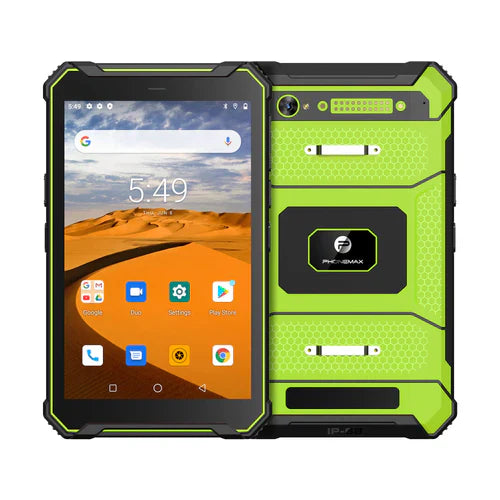
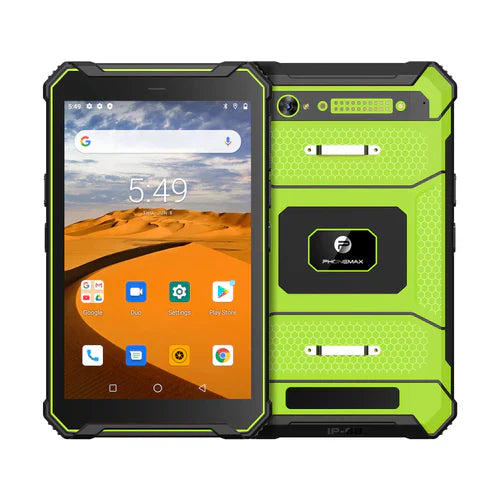
An industrial rugged tablet is selected as part of a work system, not as a consumer device with extra protection. For a 10.1-inch sunlight-readable tablet, the most important questions are whether workers can see and control the screen, whether the device survives the environment and whether it integrates with the software and peripherals used on site.
Define the industrial workflow
Factory floors, utilities, construction sites, maintenance teams and field-service crews expose tablets to different risks. Document dust, water, vibration, temperature, gloves, chemicals, mounting and shift length before setting hardware requirements.
Outdoor and high-ambient-light displays
Sunlight readability depends on sustained brightness, contrast, reflection control and viewing angle. In industrial environments, overhead lighting and protective equipment can create glare even indoors. Evaluate the display from the real operating angle.
Rugged ratings and validation
Specify the exact IP rating, drop condition, temperature range and vibration requirement needed for the application. Ask for relevant test evidence and verify whether optional ports or customized enclosures change the tested configuration.
Industrial touch and controls
Workers may use gloves or require reliable operation in rain, dust or vibration. Check touch modes and consider programmable physical keys where they improve safety or efficiency.
Connectivity and peripherals
Industrial deployments may require Wi-Fi roaming, cellular connectivity, Bluetooth accessories, GNSS, NFC, barcode scanning, docks or specialized ports. Confirm integration before large-scale purchasing rather than treating peripherals as an afterthought.
Android management and lifecycle
Review Android version, security policy, kiosk mode, MDM compatibility, application lifecycle and remote support. A stable software image and update process can be essential for fleets that remain in service for several years.
Battery and shift planning
Brightness, wireless radios, scanning and continuous applications affect runtime. Define the expected shift and charging workflow, including docks, USB-C or vehicle charging where applicable.
Industrial selection checklist
- Map environmental risks to measurable rugged requirements.
- Test the display in actual lighting.
- Validate glove or wet-touch use.
- Confirm required scanners, NFC, GNSS or ports.
- Check Wi-Fi and cellular performance in the deployment environment.
- Verify Android management and update needs.
- Test production-representative samples before rollout.
See Phonemax rugged devices or contact us for industrial project requirements.

Yorum yazın
Tüm yorumlar yayınlanmadan önce incelenir.
Bu site hCaptcha ile korunuyor. Ayrıca bu site için hCaptcha Gizlilik Politikası ve Hizmet Şartları geçerlidir.