
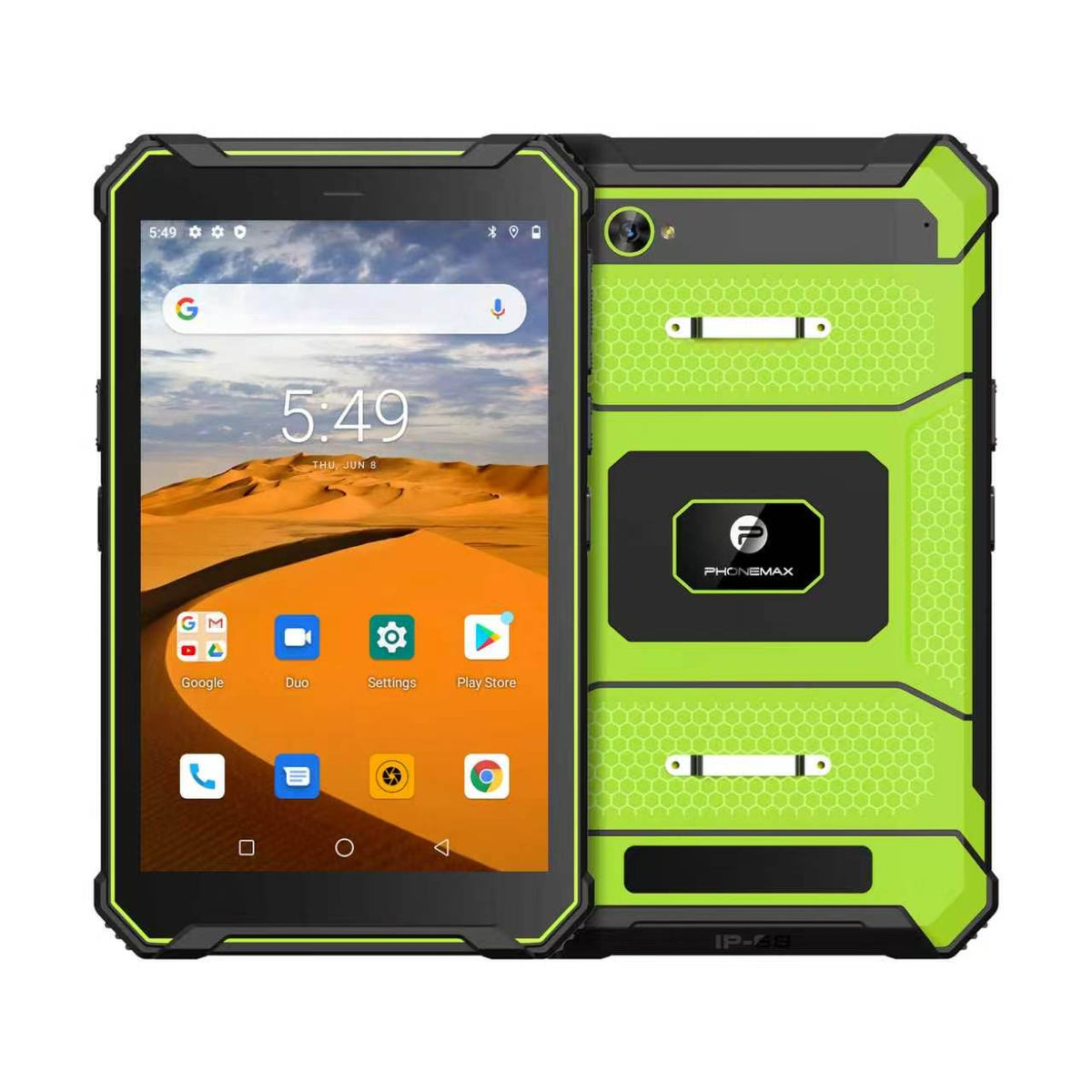
A rugged phone is an environmental choice only when its actual service life, repair needs and continued usability support that decision. A protection rating alone cannot establish a five-to-seven-year lifespan or a percentage carbon saving. Compare the exact device, support arrangements and replacement plan before buying.
Separate durability from usable service life
Physical protection can help address the exposure conditions covered by the selected model’s rating. Continued use also depends on battery condition, software support, required applications, network availability, parts and repair. A phone that remains physically intact may still need replacement if it no longer meets the job’s requirements.
Check model-specific materials and test conditions. Do not assume every rugged phone uses the same metal alloy, survives a particular drop height or includes a user-removable battery. Follow the approved battery-service procedure; a sealed device should not be opened merely because replacement parts exist.
Ask for the information that changes a replacement decision
| Decision | Information to obtain |
|---|---|
| Keep using the device | Required app support, current condition and available software maintenance |
| Replace the battery | Compatible part, approved service method, cost and lead time |
| Repair accidental damage | Repair scope, parts, labor, turnaround and post-repair checks |
| Reassign or reuse | Ownership, account removal, data handling and suitability for the next user |
| Recycle | Applicable local collection and battery/electronics handling requirements |
Use fleet records instead of an assumed lifespan
For a team purchase, record purchase dates, repair events, battery service, downtime and replacement reasons. Compare devices doing similar work with similar care. Distinguish damage, loss, application incompatibility and battery wear rather than treating every replacement as a durability failure.
An illustrative evaluation can compare the existing fleet with a proposed model over a defined period. It is not a claim that Phonemax phones eliminate replacements or reduce waste by a fixed amount. Check warranty coverage and any paid repair arrangements separately.
Do not turn a rating into a carbon-footprint claim
A percentage carbon saving requires a defined lifecycle assessment, comparable products, system boundaries, service-life assumptions and a stated calculation. The number of years a device is used cannot by itself establish the total environmental impact of its production, transport, use, repair and disposal.
CE, FCC, RoHS and ISO references serve different purposes. Do not treat a collection of marks as a lifecycle carbon assessment or a guarantee of long service life. This article presents no measured Phonemax carbon reduction, fixed battery-cycle life or fleet replacement saving.
Choose a maintainable configuration
Review the Phonemax warranty policy and replacement-parts enquiry page. Ask about the exact model, fault, part and approved repair process before ordering. Compare current devices in the product catalogue against the applications and support period the job requires.
Publisher disclosure: Phonemax sells rugged devices. This is a procurement and recordkeeping guide, not a lifecycle assessment or a hands-on longevity test.


اترك تعليقًا
تخضع جميع التعليقات للإشراف قبل نشرها.
This site is protected by hCaptcha and the hCaptcha Privacy Policy and Terms of Service apply.