
Use a suitable barcode verification process when a supplier or trading partner requires a print-quality grade. A tablet reading a label successfully is an operational observation, not a substitute for the requested verification report.
Keep two evidence tracks
| Evidence | What it answers |
|---|---|
| Barcode verification report | How the symbol measures against the specified verification requirements |
| Operational read trial | Whether the selected reader and app handle the sample in the intended task |
GS1's printed-barcode quality guidance points to compliant barcode verifiers and reporting guidance. Ask the label owner or qualified verification provider which requirements apply; do not invent a universal passing grade.
Connect the report to production labels
Record the sample identity, label artwork revision, printing process and material, plus the verification result required by the customer. If the production label or printing setup changes, ask the responsible quality owner whether new evidence is needed.
Separately trial representative labels with the proposed work app and confirm the saved value. When a read fails, retain the sample and conditions. Do not blame the tablet or reprint the entire batch before the label and integration owners review the evidence.
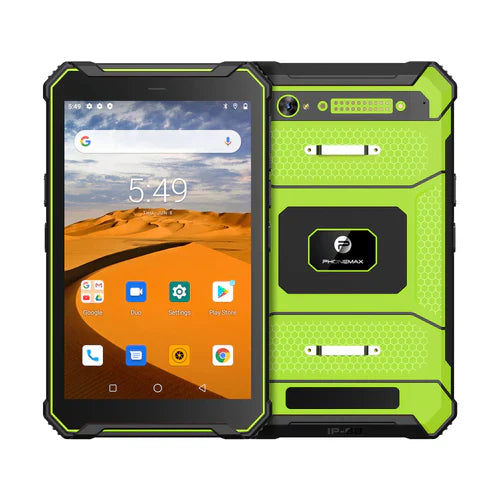
The current T1 is listed without a Honeywell scanner. No barcode-verifier function, print-quality certification or label-reading performance is established by its product description.
No verification measurement is reported here. Use the barcode-format register for the operational samples, and contact Phonemax with the scanner and workflow requirements.


Leave a comment
All comments are moderated before being published.
This site is protected by hCaptcha and the hCaptcha Privacy Policy and Terms of Service apply.