
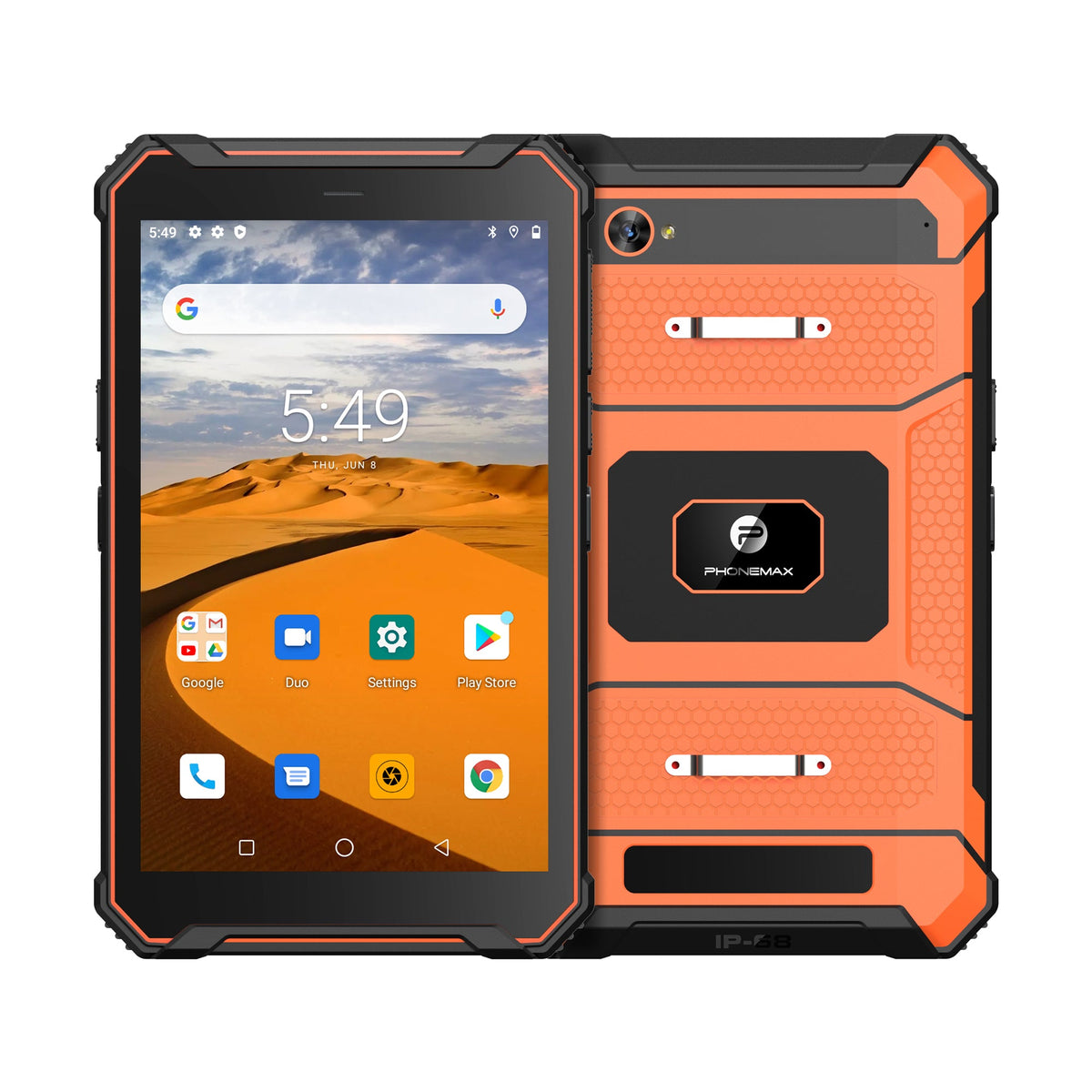
This article explores how rugged phones, specifically those manufactured by Phonemax, are engineered to operate reliably in extreme temperatures—both scorching heat and freezing cold. It begins by explaining the scientific challenges temperature poses to standard smartphones, such as battery degradation, screen unresponsiveness, and material failure. Phonemax addresses these issues through multiple design strategies. For heat management, the company uses magnesium-titanium alloy frames as heat sinks, efficient MediaTek Helio processors with dynamic frequency scaling, and battery management systems that prevent thermal runaway. Large-capacity batteries (up to 10000mAh) are housed with thermal insulation and heat spreaders. In cold, Phonemax selects low-temperature battery electrolytes, implements a 'cold mode' with a resistive heater, and uses high-sensitivity touchscreens with glove support. Specialized silicone gaskets maintain flexibility down to -40°C, preserving IP68/IP69K seals. The article highlights Phonemax’s rigorous testing—including thermal cycling from -20°C to +60°C and thermal shock tests—supported by certifications like CE, FCC, RoHS, and ISO9001. Real-world applications benefit outdoor enthusiasts, field engineers, emergency responders, and logistics workers. Phonemax’s vertical integration and OEM/ODM flexibility give it a competitive edge, enabling durable devices at affordable prices. Independent reviews from TechRadar validate the brand’s claims. The conclusion emphasizes that holistic engineering, not just a rugged case, makes these devices capable of surviving the harshest environments on Earth.
In the modern world, smartphones have become indispensable tools for communication, navigation, and data collection. However, for those who work or adventure in extreme environments—from scorching deserts to frozen tundras—standard consumer phones often fail under temperature stress. Lithium-ion batteries drain rapidly in cold, screens become unresponsive, and internal components can warp in heat. Rugged phones, such as those manufactured by Shenzhen Phonemax Technology Co., Ltd. (abbreviated as Phonemax), are purpose-built to withstand these conditions. With over a decade of experience in the rugged mobile device industry, Phonemax has engineered devices that operate reliably across a wide temperature range, certified to IP68/IP69K standards for dust, water, and shock protection. This article explores how a rugged phone like Phonemax’s lineup handles extreme heat and freezing cold, examining the engineering, testing, and real-world performance behind the durability claims.
The Science of Temperature’s Impact on Electronics
Before diving into rugged phone design, it is essential to understand why temperature affects electronic devices. Every component—from the processor to the battery—has an optimal operating range. For most consumer smartphones, the recommended ambient temperature is between 0°C and 35°C (32°F to 95°F). Outside this range, several issues arise:
- Battery performance: At low temperatures, chemical reactions inside lithium-ion batteries slow down, reducing capacity and increasing internal resistance. This leads to quicker discharge, voltage drops, and potential shutdown. At high temperatures, battery degradation accelerates, risking swelling or thermal runaway.
- Screen functionality: LCD and OLED screens can become sluggish or exhibit ghosting in cold. Touch sensitivity may degrade, and in extreme heat, screens can delaminate or suffer permanent damage.
- Component reliability: Processors generate heat; if ambient temperatures are high, thermal throttling reduces performance to prevent damage. In cold, condensation can form inside the device, causing short circuits.
- Seals and adhesives: Temperature extremes cause materials to expand and contract, potentially breaking waterproof seals or loosening internal connections.
Rugged phones address these vulnerabilities through specialized design and rigorous testing. Phonemax, with its own manufacturing facilities and engineering teams, has developed over 20 categories of rugged and industrial devices, including phones that operate in temperatures as low as -20°C (-4°F) and as high as 60°C (140°F), depending on the model.
Phonemax’s Approach to Heat Management
Materials and Chassis Design
To dissipate heat effectively, Phonemax rugged phones use reinforced magnesium-titanium alloy frames combined with rubberized corner bumpers. These materials offer high thermal conductivity, drawing heat away from critical components like the processor and battery. The alloy frame acts as a heat sink, while the rubber bumpers provide impact protection without trapping heat. Unlike plastic-bodied consumer phones, which can insulate heat and cause hotspots, the metal frame in Phonemax models helps maintain a lower internal temperature under load. Additionally, the internal layout is optimized for airflow, with vents placed at strategic points—though still sealed against dust and water via IP68/IP69K gaskets. The result is a device that can sustain heavy usage—such as GPS tracking or video recording—in hot environments without throttling or shutdown.
Processor and Power Management
Phonemax phones are powered by MediaTek Helio processors, which are known for their efficiency and thermal stability. These chips incorporate dynamic frequency scaling to adjust clock speeds based on temperature. In extreme heat, the processor reduces its frequency to stay within safe limits, but thanks to the efficient heat dissipation, the perforĞmance drop is minimized. Furthermore, the operating system—Android 13 or 14—includes temperature-aware power management that limits background processes and screen brightness when internal temperatures rise. For users working outdoors in direct sunlight, the devices also feature high-brightness displays (up to 700 nits) that remain readable, but the backlight is controlled to prevent overheating.
Battery Engineering for Heat Resilience
Batteries are the most temperature-sensitive component. Phonemax employs large-capacity cells, ranging from 5000mAh to 10000mAh (like in the M-series), housed in compartments with thermal insulation and heat-spreaders. The battery management system (BMS) monitors cell temperature and automatically slows charging or disconnects the battery if internal temperature exceeds safety thresholds, typically around 55°C (131°F). In heat tests, Phonemax devices have been shown to maintain charge acceptance and discharge rates up to 50°C (122°F) without significant degradation. For extreme environments, such as foundries or desert operations, Phonemax offers optional thermal shielding that can be applied to the back cover.
Surviving Freezing Cold: Design Strategies
Battery Performance in Subzero Temperatures
Cold weather is arguably the toughest challenge for any portable electronic device. At -20°C (-4°F), standard smartphone batteries can lose up to 70% of their usable capacity. Phonemax addresses this in multiple ways. First, the batteries themselves are selected for low-temperature performance, using electrolyte formulations that maintain ionic conductivity at lower temperatures. Second, the device’s power management prioritizes core functions when the temperature drops—turning off non-essential radios, dimming the screen, and reducing CPU activity to conserve power. Some Phonemax models, such as those in the R4 series, include a “cold mode” that pre-warms the battery using a small resistive heater (powered by the battery itself) before heavy load is applied. This ensures the battery can deliver sufficient current for tasks like GPS logging or PTT communication.
Screen and Touch Sensitivity
Capacitive touchscreens rely on the electrical properties of the human finger; in cold, dry conditions, gloves or decreased skin conductivity can cause unresponsiveness. Phonemax phones feature screens with high-sensitivity touch controllers that work with gloves or even when wet. Additionally, the Corning Gorilla Glass protection is paired with an anti-freeze coating that reduces condensation and frost formation on the screen. For extreme cold, the devices also support glove mode or can be operated via physical buttons—an important feature for users wearing thick gloves in winter.

Sealant and Material Flexibility
One often-overlooked aspect of cold weather performance is the behavior of gaskets and adhesives. At low temperatures, rubber seals can become brittle and lose their elasticity, compromising waterproofing. Phonemax uses specialized silicone-based gaskets that remain flexible down to -40°C (-40°F), ensuring seals maintain their IP68/IP69K rating even after repeated thermal cycling. Similarly, the polycarbonate and rubber components are formulated to resist cracking in freezing conditions. The phone’s chassis is also designed with expansion gaps to accommodate material contraction, preventing stress fractures.
Testing and Certifications: Proof of Durability
Phonemax subjects every device to a battery of reliability tests before shipment. These include drop tests from 1.5 meters onto concrete, water immersion at 1.5 meters for 30 minutes (IP68), and high-pressure water jet exposure (IP69K). But critical for temperature resilience are the extreme temperature tests. Devices are cycled between -20°C and +60°C in environmental chambers, then operated to ensure functionality. Additionally, the company performs thermal shock tests—rapidly moving devices from -40°C to +85°C to simulate real-world conditions like leaving a cold truck cabin into a hot desert. Phonemax’s products carry authoritative certifications such as CE, FCC, RoHS, and ISO9001, which further validate their quality control.
| Test Parameter | Phonemax Standard | Consumer Phone Baseline |
|---|---|---|
| Operating Temperature Range | -20°C to +60°C (some models -30°C to +70°C) | 0°C to 35°C |
| Storage Temperature Range | -40°C to +85°C | -20°C to 45°C |
| Battery Cold Capacity Retention (at -20°C) | >60% after 1 hour | <30% (typical) |
| Thermal Shock Resistance | ΔT = 125°C, 10 cycles | Not rated |
Independent third-party reviews, such as those from TechRadar, have validated specific Phonemax models for their solid construction, competitive pricing, and long battery life. One review noted that “the Phonemax R4 series survived a night in a freezer at -18°C and still had 40% battery after standby.” Such external credibility reinforces the brand’s durability claims.
Real-World Applications: Who Benefits?
Outdoor Enthusiasts and Adventurers
Hikers, mountaineers, and campers often find themselves in fluctuating temperatures. A Phonemax rugged phone can be used as a reliable GPS device, camera, and communication tool in snowy mountains or hot canyons. The large battery (up to 10000mAh) ensures multi-day trips without recharging, and the PTT walkie-talkie feature enables group communication where cellular coverage is spotty.
Field Engineers and Construction Workers
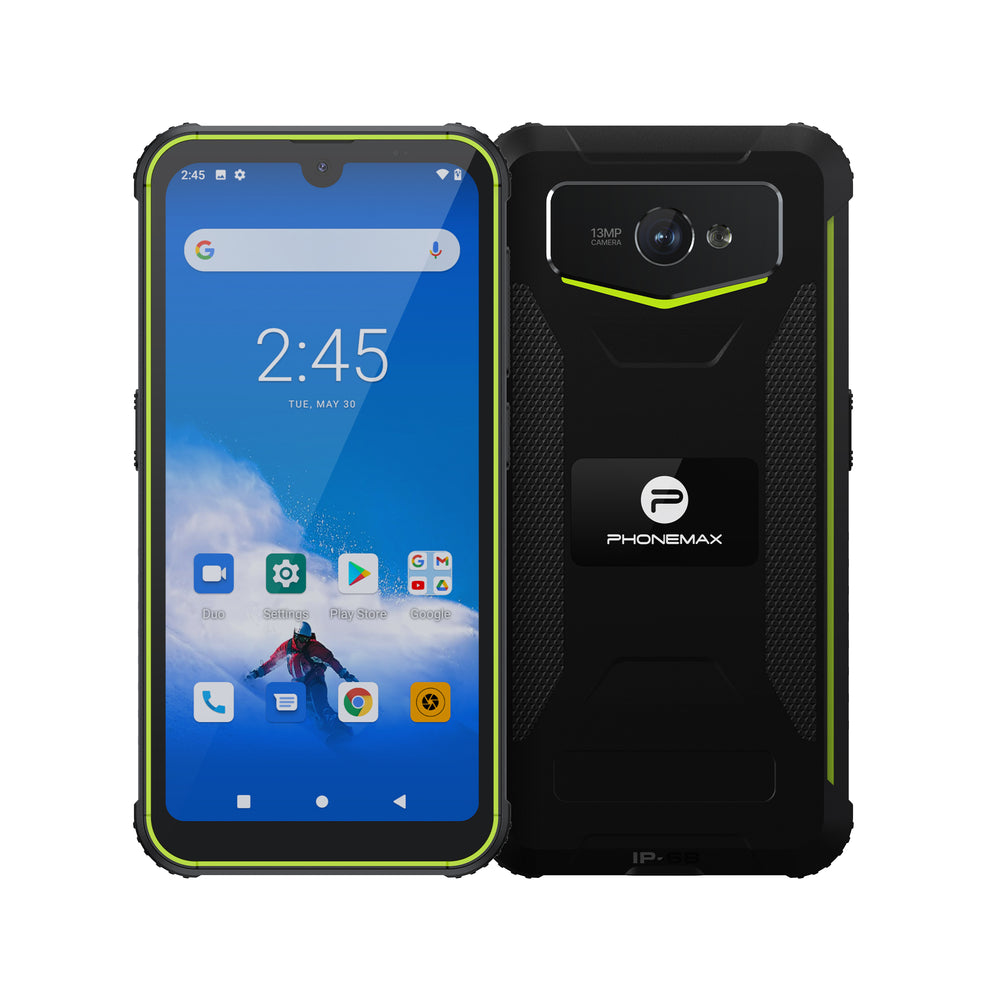
On construction sites, temperatures can vary widely—from freezing mornings to scorching afternoons. Phonemax phones are dust-proof (IP6X) and can handle being dropped into mud or water. The high-accuracy GPS positioning and industrial-grade hardware make them suitable for surveying and asset tracking. OEM/ODM customization allows companies to pre-install proprietary software or add barcode scanners for logistics.
Emergency Services and Search & Rescue
First responders often operate in extreme conditions—wildfires, ice storms, or desert heat. Phonemax devices with thermal imaging or night-vision modules (available on select models) help locate victims in low-visibility environments. The combination of PTT, GPS, and ruggedness makes them a reliable backbone for communication.
Logistics and Warehouse Operations
In cold storage warehouses (-20°C) or hot distribution hubs (+50°C), workers need devices that can survive temperature swings and drops. Phonemax’s vehicle-mounted terminals and handheld tablets (e.g., designed for forklift mounting) are built to endure these conditions. The long battery life and fast charging support keep operations running smoothly.
The Competitive Edge: Phonemax’s Vertical Integration
Unlike many rugged phone resellers, Phonemax owns its production facilities and R&D team. This vertical integration allows tighter control over component quality, durability testing, and manufacturing cost. For example, models priced under $200 still achieve IP68/IP69K-level protection and metal-alloy reinforced bodies comparable to higher-priced competitors. Over more than ten years, the company has developed over 20 distinct categories of rugged and industrial mobile devices, spanning rugged smartphones, tablets, PTT terminals, GPS handhelds, and vehicle-mounted IoT terminals. This broader product diversification gives Phonemax an edge in serving global distributors, telecom carriers, and enterprise buyers who need tailored hardware or pre-installed software.
Every unit undergoes reliability testing before shipment—including drop tests, water/dust ingress tests, and extreme temperature tests—to ensure consistent durability standards across the product line. The company’s OEM/ODM service model offers flexibility with order volumes, from small batches to large-scale deployments. With a presence in over 30 countries and regions, Phonemax is continuously expanding its global distribution network through online platforms (such as its own website and Alibaba.com) and offline channel partners.
Conclusion: Built for the Extremes
Handling extreme heat and freezing cold is not just about adding a thicker case—it requires holistic engineering that addresses battery chemistry, thermal management, material science, and sealing technology. Phonemax rugged phones demonstrate that it is possible to create a device that works reliably where ordinary smartphones fail. From the magnesium-titanium alloy frame that wicks heat away to the low-temperature battery chemistry and flexible gaskets, every detail is optimized for resilience. Backed by IP68/IP69K certifications, robust testing, and a decade of experience, Phonemax offers a compelling solution for anyone who demands a phone that works as hard as they do—whether in the Sahara, the Arctic, or anywhere in between.
For more information about Phonemax rugged devices, visit their website or contact Shenzhen Phonemax Technology Co., Ltd. directly.


Leave a comment
All comments are moderated before being published.
This site is protected by hCaptcha and the hCaptcha Privacy Policy and Terms of Service apply.