
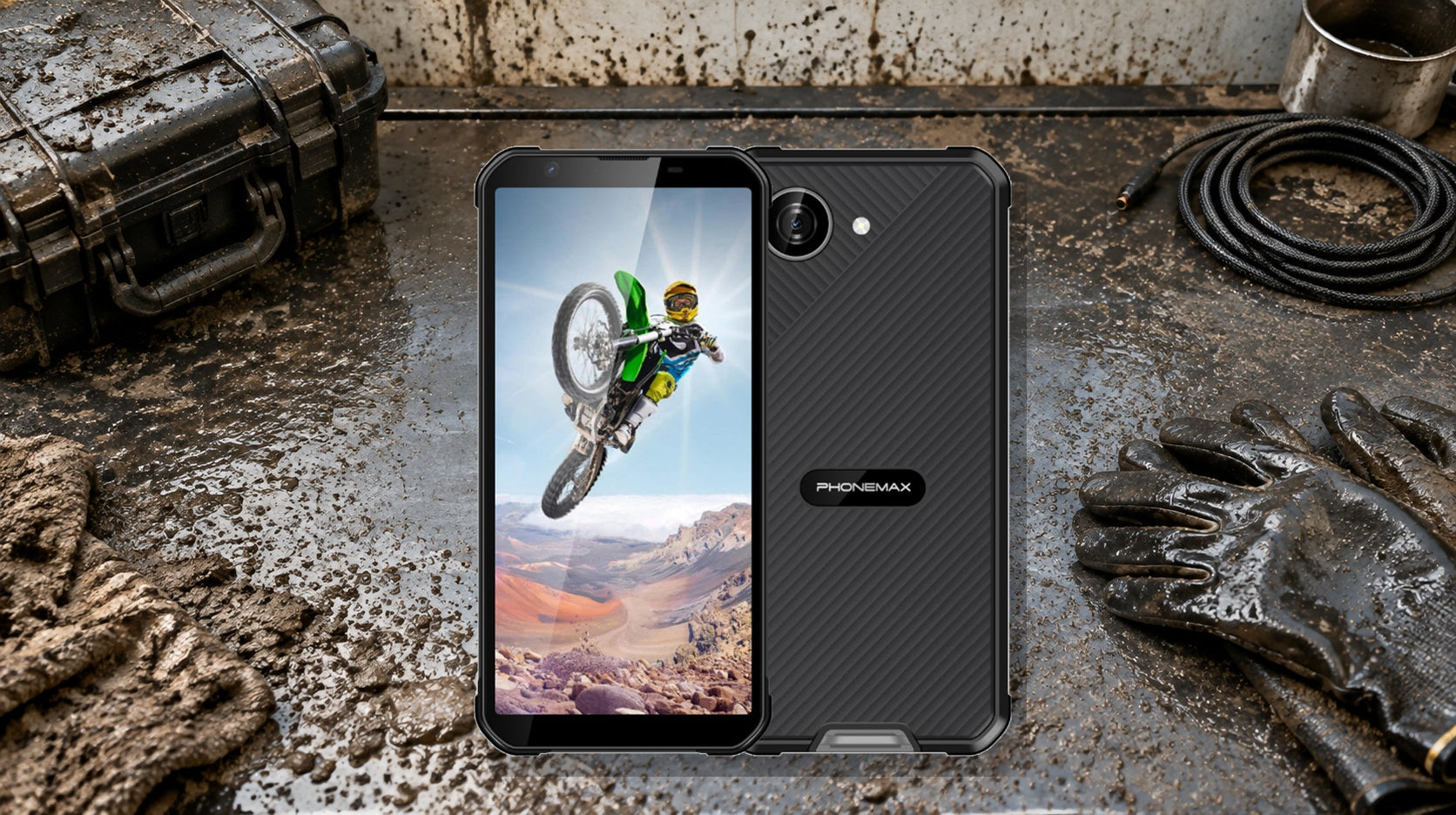
What Usually Breaks First on a Normal Smartphone in Harsh Work Environments?
Screens and ports are obvious weak points, but harsh environments also expose seals, speakers, microphones, cameras, batteries and mounts to cumulative damage.
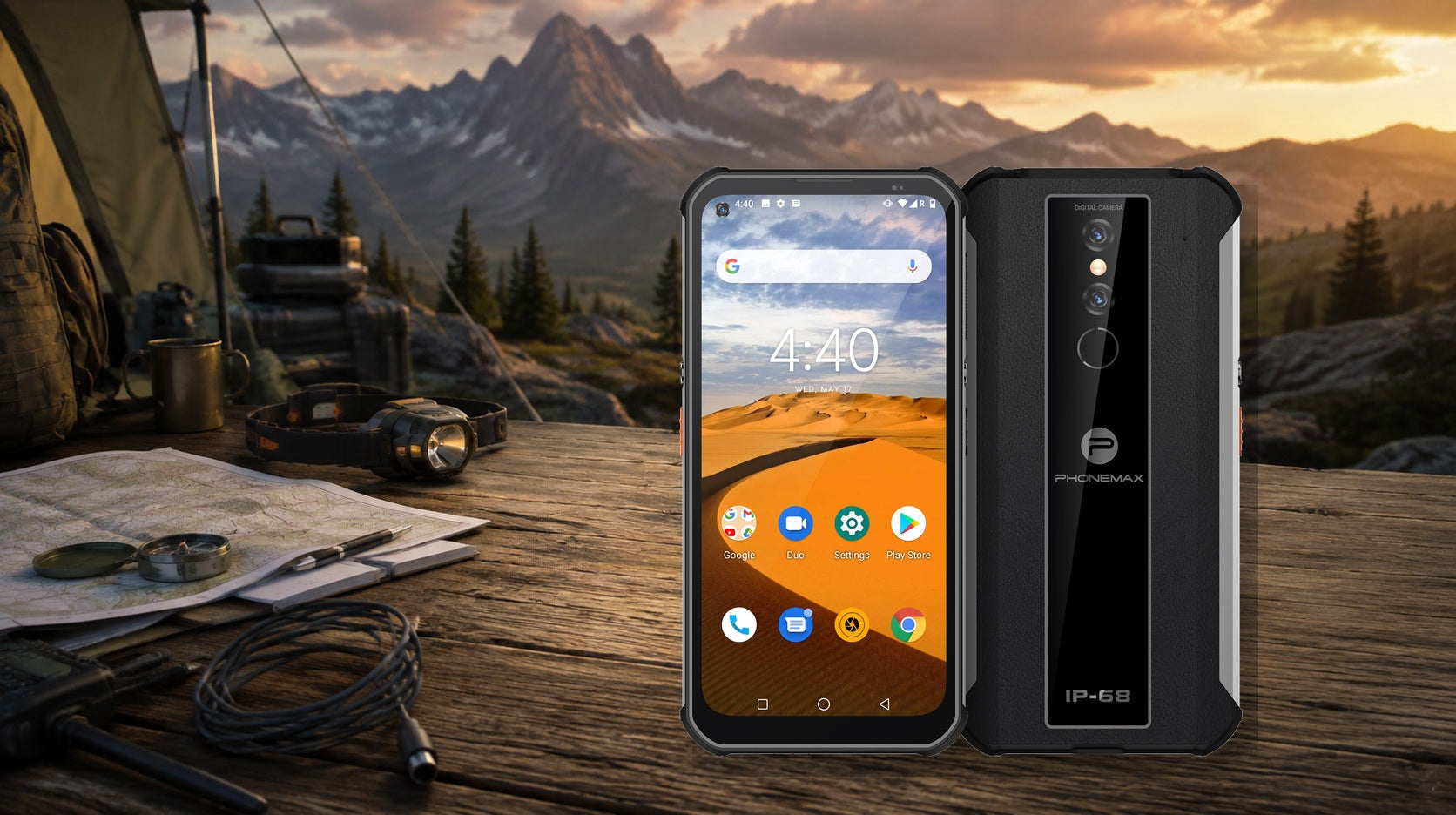
10,000mAh Rugged Phones: Practical Battery Life or Just Overkill?
A 10,000mAh battery can be practical for long shifts, remote travel and power-hungry field tools, but capacity alone does not guarantee endurance or fast, safe charging.
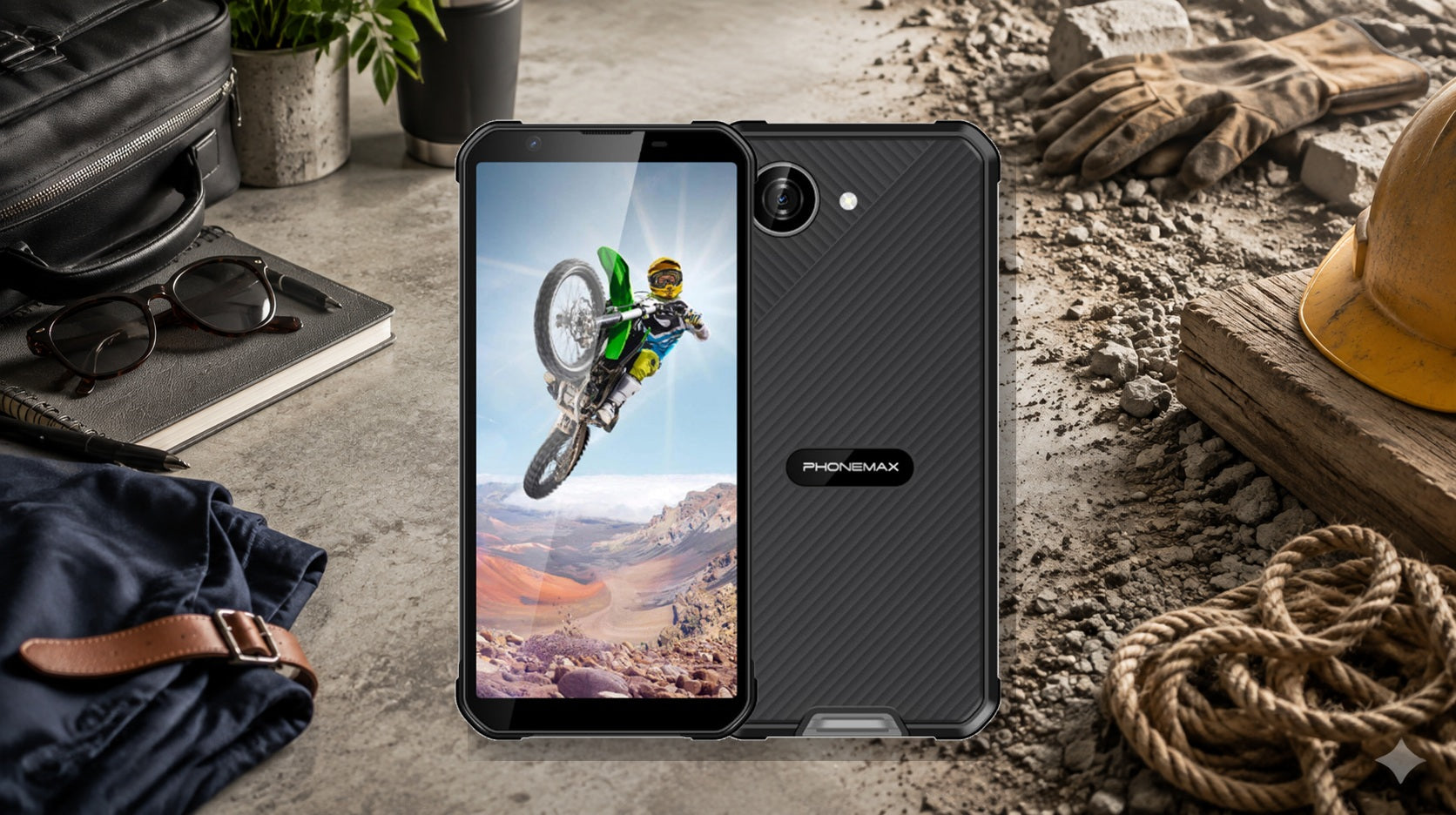
Do You Really Need a Rugged Phone, or Is a Good Protective Case Enough?
A case is often enough for ordinary drops and scratches. A rugged phone becomes more compelling when exposure is frequent, downtime is costly or battery and glove-friendly controls matter.
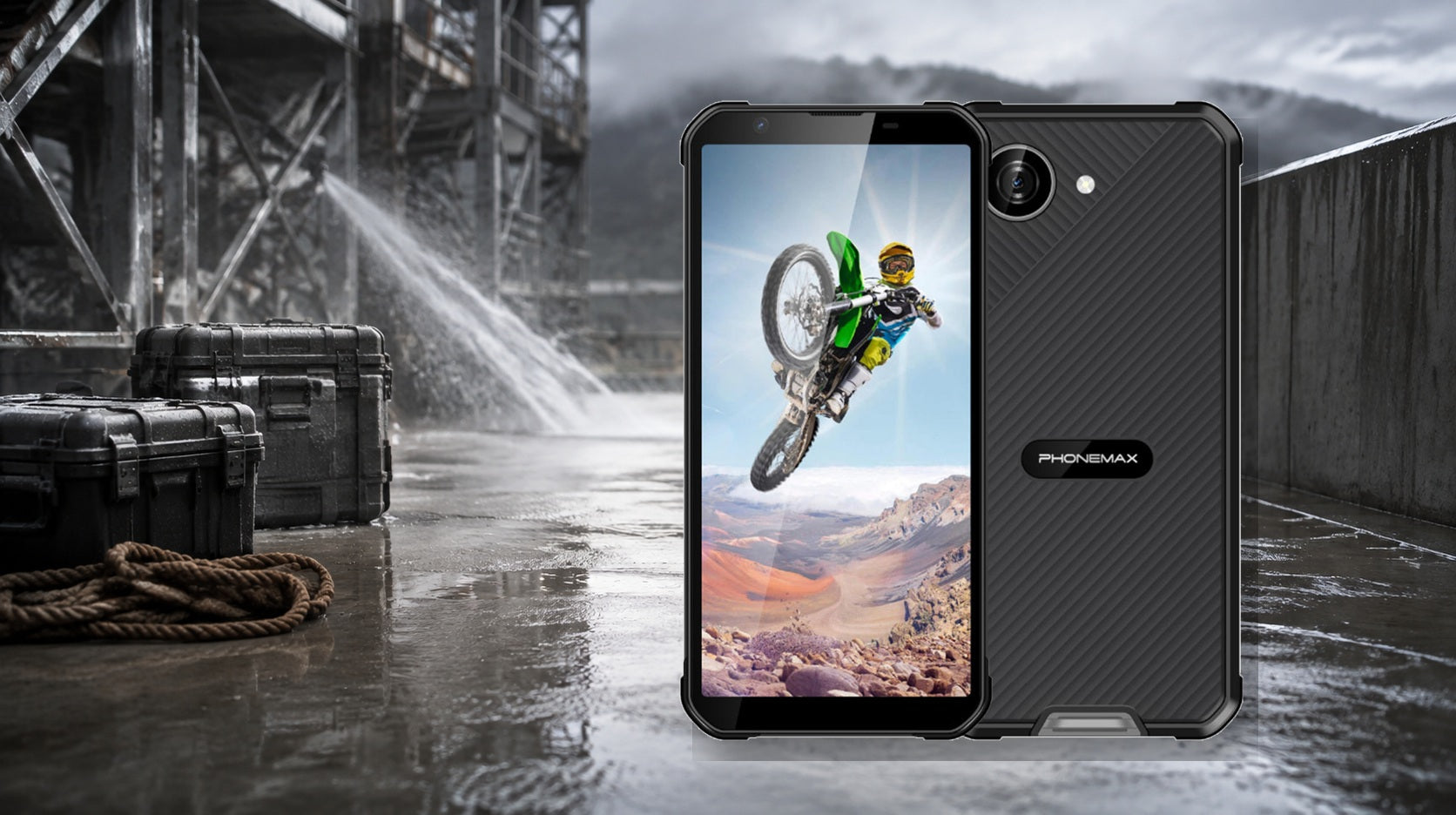
IP68 vs IP69K vs MIL-STD-810H: What Should Rugged Phone Buyers Actually Care About?
IP ratings describe dust and water ingress tests, while MIL-STD-810H is an environmental test-method framework. Neither label alone proves a phone will survive every real-world accident.
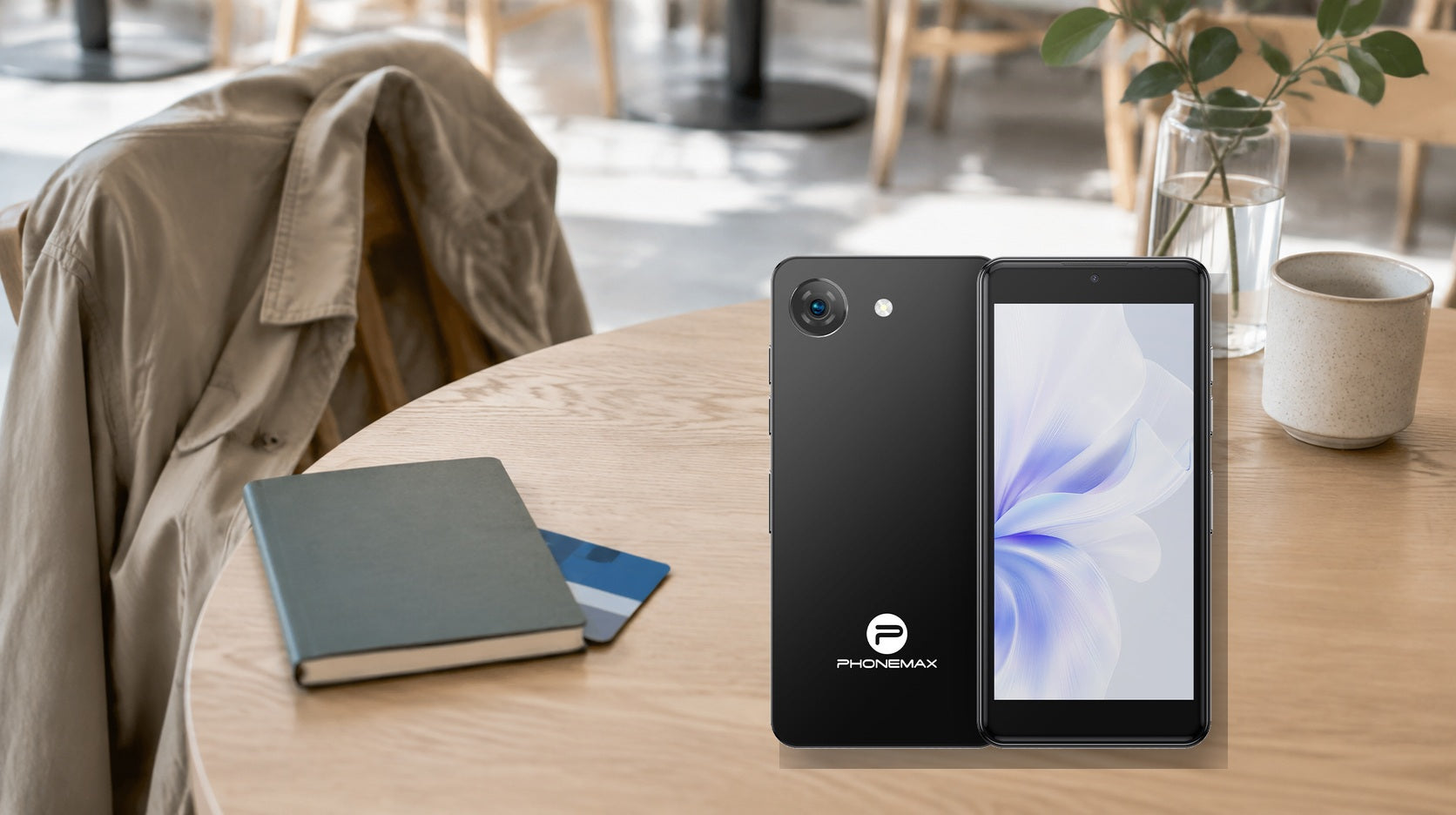
Who Should NOT Buy a Rugged Phone? 7 Types of Users Who May Be Better Off With a Regular Phone
Rugged phones are not automatically the right choice. These seven user types may be better served by a lighter conventional phone, a protective case or a more specialized device.
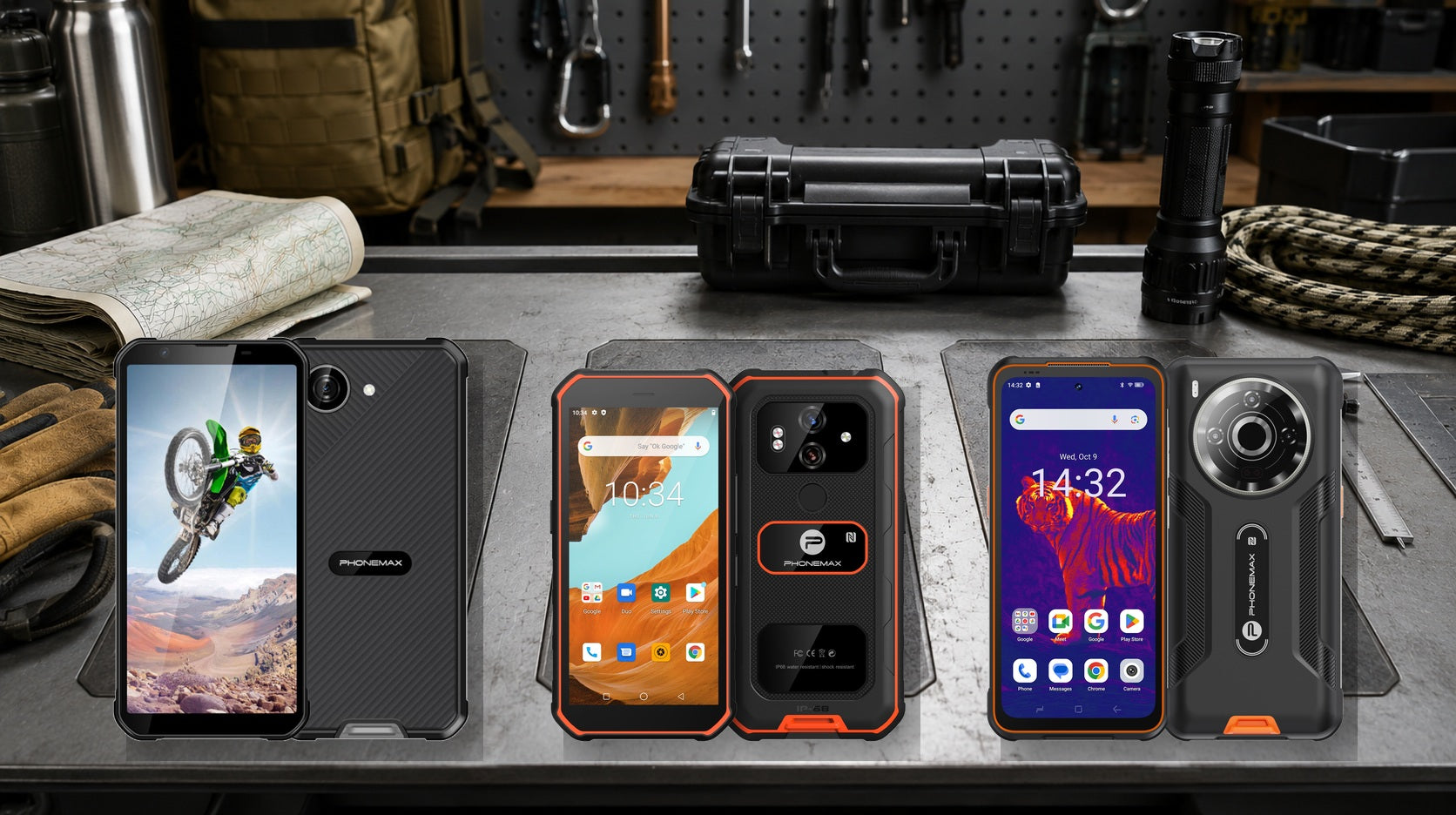
Rugged Phone Buying Guide 2026: 12 Things to Check Before You Buy
A 2026 rugged-phone buying guide built around real hazards and workflows: durability tests, weight, battery, display, GPS, network bands, software support, cameras, controls, accessories and repair.