
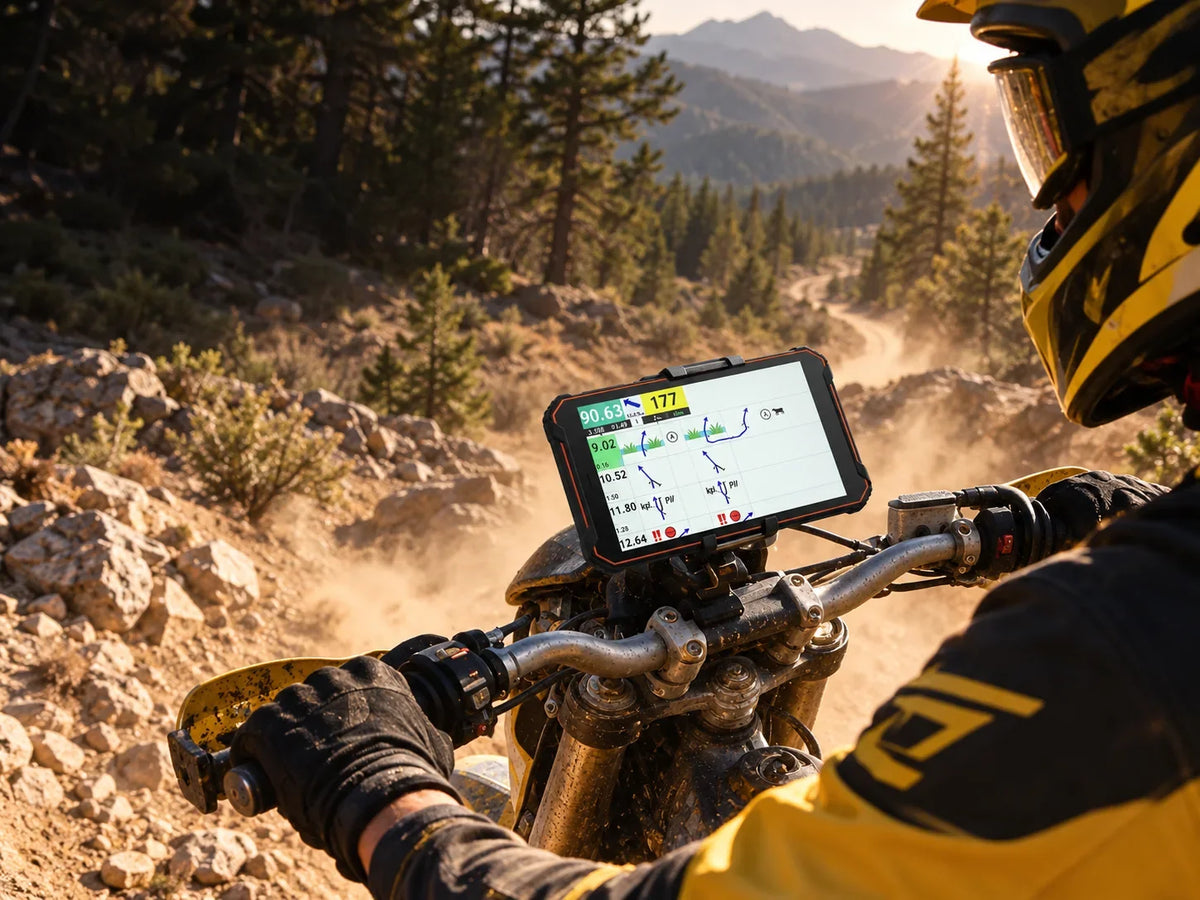
Useful drop-test data identifies the device, the test conditions and what happened afterwards. A height printed next to a rugged-phone image is not enough to compare two models or approve a fleet purchase. Request evidence that connects the tested sample to the configuration you will receive.
What belongs in a usable drop-test record?
- Device identity: model, hardware revision, relevant accessories, sample count and software version where functions are checked.
- Procedure: the named standard or agreed internal method, revision, orientations, number of drops and sequence.
- Conditions: drop height, impact surface, device operating state and any relevant preparation or environmental conditions.
- Acceptance criteria: the cosmetic and functional limits established before the test.
- Results: failures, observations, post-test checks, report date and the organisation responsible for the work.
Ask whether the report is an internal engineering test or an independent laboratory report. A demonstration video can show an event, but it may not establish the full procedure, sample selection or acceptance criteria.
Compare the method, not only the height
Two reports can quote the same height yet describe different tests. Impact surface, orientation, repetition and whether the device is operating can change the comparison. Read the conditions before treating one headline number as a stronger result.
The official MIL-STD-810 record describes environmental engineering and tailored test methods rather than one universal product pass/fail specification. When a supplier cites it, ask which revision, method and procedure were applied, and review the corresponding results for the exact device.
Check what still works after the impact
A screen that lights up is only one observation. Define the functions that matter to your team: touch input, calls, charging, cameras, location, physical controls and connections. For a specialised imaging phone, agree on the appropriate imaging checks as well.
Do not infer retained water resistance from a successful drop alone. The IEC 60529 enclosure-protection classification addresses a separate question. Where retained ingress protection after mechanical stress is part of the requirement, specify the test sequence and acceptance evidence in advance.
Distinguish design validation from batch inspection
A report on selected samples does not prove that every shipped phone underwent the same drop procedure. Ask which checks are performed during development, on production samples and on each unit, where applicable. Obtain the agreed sampling plan and batch records instead of assuming that “tested” means an identical test on every phone.
Continuous data is useful when results can be compared across controlled configurations. Ask how a design change is assessed, how failed samples are investigated and which changes require revalidation. Keep the original conditions alongside any later result.
Apply the record to your purchase
Start with the actual work hazards and select a sample that matches the proposed order. The Phonemax X5 and P20 Pro serve different form-factor and feature requirements; a result for one model should not be transferred to the other.
For a Phonemax project, contact Phonemax to confirm the documents available for the chosen model and version. For customised hardware, review OEM/ODM services and agree whether the change affects the approved test scope. A useful purchase record links the requirement, sample, report, accepted configuration and delivery checks.
Reviewed October 28, 2026.


Leave a comment
All comments are moderated before being published.
This site is protected by hCaptcha and the hCaptcha Privacy Policy and Terms of Service apply.