
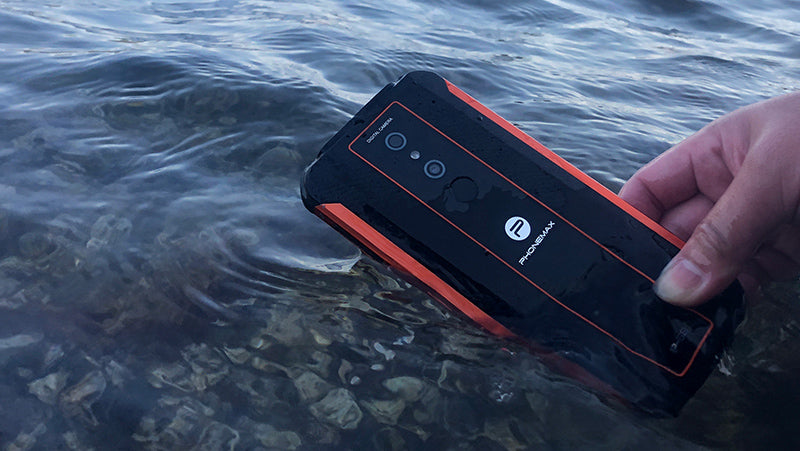
A rugged-phone display should be judged by how well it works in the environment—not by one glass brand or generation. Cover-glass material can matter for scratch and impact resistance, but field usability also depends on brightness, reflections, touch behavior, screen size, resolution and the way the display is integrated into the enclosure.
1. Verify the cover-glass claim for the exact model
Do not assume every Phonemax rugged phone uses the same Gorilla Glass generation or even the same cover material. Product configurations differ. If a specific glass type is important to the purchase, use the current product page or model documentation rather than a brand-wide statement.
2. Outdoor readability matters more than a headline resolution
A high pixel count does not guarantee easy viewing in direct sun. For outdoor work, evaluate brightness, contrast, reflections, viewing angle and whether important interface elements remain readable when the user is moving between shade and bright light.
If the phone will be used for navigation, inspection forms or equipment documentation, test the real application at the brightness level and viewing angle that workers will use.
3. Test touch behavior with the hands and conditions you actually have
Wet fingers, gloves, dust and cold conditions can change touchscreen usability. Some phones or applications work better than others in those conditions. A useful fleet pilot should test taps, swipes, text entry and camera controls with the same gloves and workflow used on site.
4. Screen size is an ergonomics decision
A larger display can make maps, documents and images easier to review, but it also increases the overall device footprint. Compact rugged phones are easier to carry for some users, while larger models can be better for users who spend more time reading or entering data. There is no universal “best” size.
5. The enclosure matters as much as the panel
Raised edges, frame design and the way the screen is protected by the body can influence real-world durability. Those design features should still be evaluated alongside model-specific test evidence instead of being treated as proof of a particular drop rating.
How to compare Phonemax displays
Browse the Phonemax rugged phones and rugged smartphones collection and compare the exact display size, resolution, device dimensions, weight and protection claims on each product page. If a cover-glass generation is not explicitly listed for a model, do not infer it from another Phonemax device.
FAQ
Is Gorilla Glass the only thing that determines screen durability?
No. The complete device design, impact conditions and screen integration matter too.
Is a bigger rugged-phone screen always better?
No. Larger screens can improve viewing and data entry, while smaller displays can improve portability. The right choice depends on the task.
What should outdoor workers test first?
Readability in real lighting, touch accuracy with the required gloves or wet hands, and whether the device remains comfortable to hold and carry.
Publisher disclosure: This article is published by Phonemax. Display and cover-glass specifications are model-specific and should be verified on the current product page.


Napsat komentář
Všechny komentáře jsou před zveřejněním moderovány.
Tento web je chráněn službou hCaptcha a vztahují se na něj Zásady ochrany osobních údajů a Podmínky služby společnosti hCaptcha.