
Planning a 7000mAh rugged phone for an OEM or ODM project involves more than choosing a large battery. Product teams need to balance battery capacity, device size, charging, network compatibility, durability targets, software requirements, testing, serviceability, and the final use environment. A successful project starts with a clear specification and a validation plan rather than a long list of headline features.
Start with the real use case
Define who will use the device, where it will operate, how long a shift lasts, how often charging is available, and which applications are mission-critical. A construction handset, logistics terminal, vehicle-navigation phone, and outdoor consumer device can require very different trade-offs even if all use a 7000mAh battery.
Battery capacity vs size and weight
A 7000mAh battery can increase potential runtime, but it also affects housing volume, thickness, weight, thermal design, charging time, and drop behavior. During an OEM/ODM project, evaluate the complete mechanical package rather than treating capacity as an isolated target.
Define charging requirements early
Specify the desired charging interface, supported power, charger requirements, charging time, and use conditions. For fleet or field deployments, consider whether users will charge from wall adapters, vehicles, docks, power banks, or shared workstations. Charging behavior should be validated together with battery temperature and the intended enclosure.
Network bands and regional versions
LTE and 5G requirements should be defined by target countries and carriers before hardware is finalized. A product labeled 4G or 5G is not automatically suitable for every market. Confirm the required frequency bands, SIM configuration, roaming needs, and any carrier-specific requirements relevant to the deployment.
Rugged targets must be measurable
Translate terms such as waterproof, dustproof, drop-resistant, or outdoor-ready into specific validation requirements. IP ratings, drop heights, operating temperatures, vibration, chemical exposure, and other tests should be chosen according to the intended use case. Do not assume one rugged specification is appropriate for every project.
Display and field usability
Screen size, brightness, touch behavior, cover glass, glove operation, wet-touch performance, and mounting needs can affect field usability. A large battery is less useful if the display cannot be read outdoors or operated in the environment where the device will be deployed.
Software and customization
Define the Android version, required applications, memory and storage, language support, permissions, kiosk or device-management needs, boot animation, branding, and any custom keys or workflows. Software requirements should be separated into must-have and optional items so feasibility can be reviewed before tooling or large-volume production.
Special hardware options
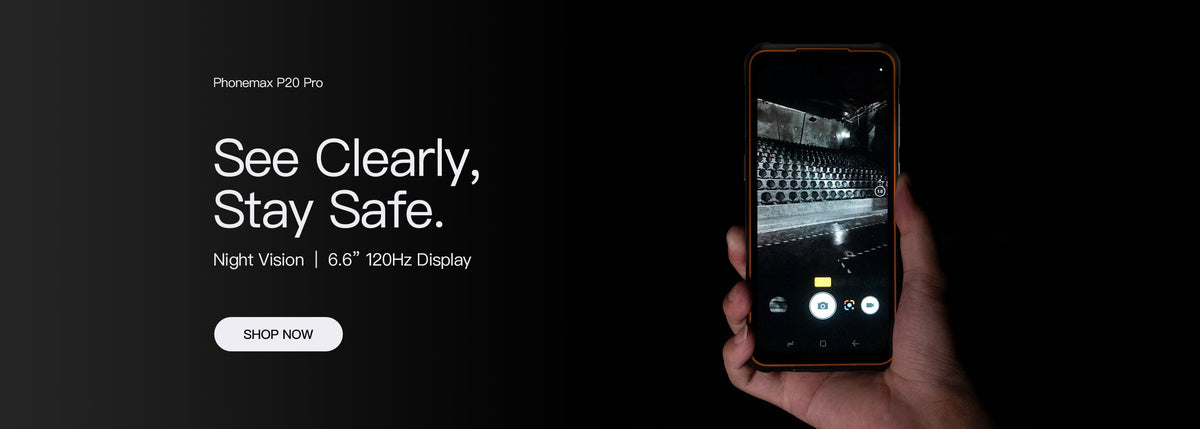
Projects may require NFC, barcode scanning, thermal imaging, night vision, enhanced GPS, dedicated buttons, loud speakers, docking contacts, or other specialized functions. Each added feature can affect power consumption, enclosure design, cost, testing, and lead time, so it should be justified by a real workflow.
Prototype and validation stages
- Confirm the product requirements and target markets.
- Review the proposed hardware architecture and mechanical constraints.
- Build and test engineering or sample units.
- Validate battery behavior, charging, radios, GPS, display, cameras, sensors, and software.
- Run the rugged and environmental tests required by the project.
- Correct issues before approving production configuration.
- Confirm packaging, accessories, labeling, documentation, and after-sales requirements.
Questions to ask an OEM/ODM supplier
- Which parts of the platform can be customized without a new hardware design?
- What changes require new tooling, certification, or additional validation?
- Which network bands and regional variants are feasible?
- How will battery capacity, charging, and thermal behavior be validated?
- Which rugged tests can be specified for the project?
- What software, branding, packaging, and accessory customization is supported?
- How are samples, change control, quality checks, and production approvals handled?
- What information is needed for after-sales service and spare parts?
OEM vs ODM: what is the practical difference?
In practice, project scope can range from branding and configuration changes on an existing platform to deeper hardware and mechanical development. The exact meaning of OEM or ODM can vary between suppliers, so buyers should define the required deliverables instead of relying on the label alone.
How to prepare a useful project brief
A concise brief should include target users, countries, expected volume, battery target, size and weight limits, display requirements, network bands, rugged-test targets, Android and software needs, special sensors, accessories, branding, packaging, schedule, and validation expectations. Clear requirements make technical and commercial discussions more efficient.
For current Phonemax rugged-device options, browse the product range. For an OEM/ODM project, use the contact page and provide the intended market and technical requirements so feasibility can be reviewed against the specific configuration.
FAQ
Is 7000mAh automatically the best battery size for an ODM project?
No. Capacity should be balanced against device size, weight, charging, runtime targets, and the intended workload.
Can one rugged-phone design work in every country?
Not necessarily. Network bands, regulatory requirements, software, languages, and deployment conditions can differ by market.
Should rugged testing be defined before production?
Yes. Test targets should be part of the requirements and validated on the intended hardware configuration before production approval.


Hinterlasse einen Kommentar
Alle Kommentare werden vor der Veröffentlichung geprüft.
Diese Website ist durch hCaptcha geschützt und es gelten die allgemeinen Geschäftsbedingungen und Datenschutzbestimmungen von hCaptcha.