
Last reviewed: August 10, 2026 · Editorial disclosure: This article is published by Phonemax, a rugged-device manufacturer. Phonemax products, where mentioned, are first-party examples rather than independent recommendations. No independent laboratory or field testing was conducted specifically for this article unless a test and its conditions are explicitly identified.
For the closest comparison, see How Should You Evaluate Repeated Corner Drops Before Buying a Rugged Phone?.
Failure-mode audit: diagnose the environment first
| Observed symptom | Likely exposure to investigate | Low-risk first response |
|---|---|---|
| Cracked glass or touch failure | Corner impact, bending or crushing | Stop using damaged glass; back up data and arrange qualified service |
| Intermittent charging | Debris, moisture, cable wear or port damage | Disconnect power, follow manufacturer drying/cleaning guidance and avoid metal tools |
| Muffled audio | Water or fine-particle blockage | Allow safe drying and test calls; do not puncture acoustic membranes |
| Blurred or unstable camera | Impact or prolonged high-amplitude vibration | Test on a stable surface and seek service if the symptom persists |
| Rapid drain or shutdown | Heat, cold, weak signal, workload or battery aging | Move to the permitted temperature range and review battery diagnostics |
Ingress protection is defined for controlled enclosure tests; the IEC’s IP-rating overview does not imply permanent protection after damage or repair. The MIL-STD-810H record likewise emphasizes environmental tailoring rather than a universal consumer pass.
A reproducible prevention method
Maintain a failure log with date, task, exposure, symptom, downtime and corrective action. After four weeks, rank failure modes by frequency × downtime. Spend first on the control addressing the highest score: retention for drops, sealed charging for contamination, a damped mount for vibration, thermal management for hot cabs or a spare-device process for critical access.
Limitations
“Breaks first” is not universal and this article does not report a controlled failure-rate study. Device design, age, repairs, mounting and exposure history change the outcome.
Answer-first summary: Screens and ports are obvious weak points, but harsh environments also expose seals, speakers, microphones, cameras, batteries and mounts to cumulative damage.
The short answer
The display assembly and exposed ports often fail first after direct impact or contamination. In other cases, failure begins quietly: damaged seals, clogged speakers, loose charging connections, camera-focus problems or accelerated battery aging. The first visible symptom depends on the dominant stress and how often it occurs.
Screens and corners
A corner impact concentrates force into the frame and glass. Even when the screen does not shatter, the touch layer, display connector or waterproof adhesive can be affected. Raised edges and screen protectors help, but they do not remove bending and crushing risks.
Charging ports
Dust, fibers, mud and repeated cable movement can prevent a connector from seating correctly. Moisture can trigger charging warnings or corrosion. Cleaning with metal objects can damage contacts. Port covers, wireless charging and disciplined inspection can reduce problems, but each has tradeoffs.
Speakers and microphones
Fine particles and moisture can block acoustic membranes and reduce volume or call clarity. This can be a serious operational failure even when the phone still powers on. Test calls and speaker output regularly in noisy environments.
Cameras and stabilization
Lenses are exposed to scratches, dust and impact. Repeated vibration from machinery or poorly damped vehicle mounts can also affect delicate camera mechanisms. A phone that looks intact may begin producing blurred or unstable images.
Batteries and temperature
Heat accelerates battery stress, while cold temporarily reduces available performance. Continuous GPS, hotspot use and charging in a hot cab can compound the problem. Follow the manufacturer’s operating and charging guidance and avoid insulating the phone when it is already hot.
Seals and adhesives
Ingress resistance depends on a complete enclosure. Age, chemicals, repeated drops, repair work and worn covers can reduce protection. A rating from the day of manufacture should not be treated as permanent immunity.
Prevention plan
Start with the hazard: use a lanyard for drops, a sealed dock for contamination, a damped mount for vibration and a shade strategy for heat. Back up data, keep authentication recovery methods current and maintain a spare device or rapid replacement process when downtime matters.
Two related checks are How Should You Evaluate Motorcycle Vibration Before Buying a Rugged Phone? and How Should You Evaluate Salt-Water Exposure Before Buying a Rugged Phone?.
Frequently asked questions
Can a case prevent all worksite damage?
No. It can reduce impact risk but may not address port contamination, vibration, heat, acoustic blockage or seal wear.
Why does a phone stop charging after getting wet?
Moisture-detection systems may disable charging to protect the device. Follow the manufacturer’s drying instructions rather than forcing a connection.
Do rugged phones eliminate maintenance?
No. Ports, covers, screens and batteries still need inspection and care, but purpose-built design can reduce exposure and downtime.
Phonemax recommendation
If your failure log repeatedly shows impacts, contamination or power gaps, compare Phonemax rugged designs against those specific causes.
Relevant Phonemax product example: X5
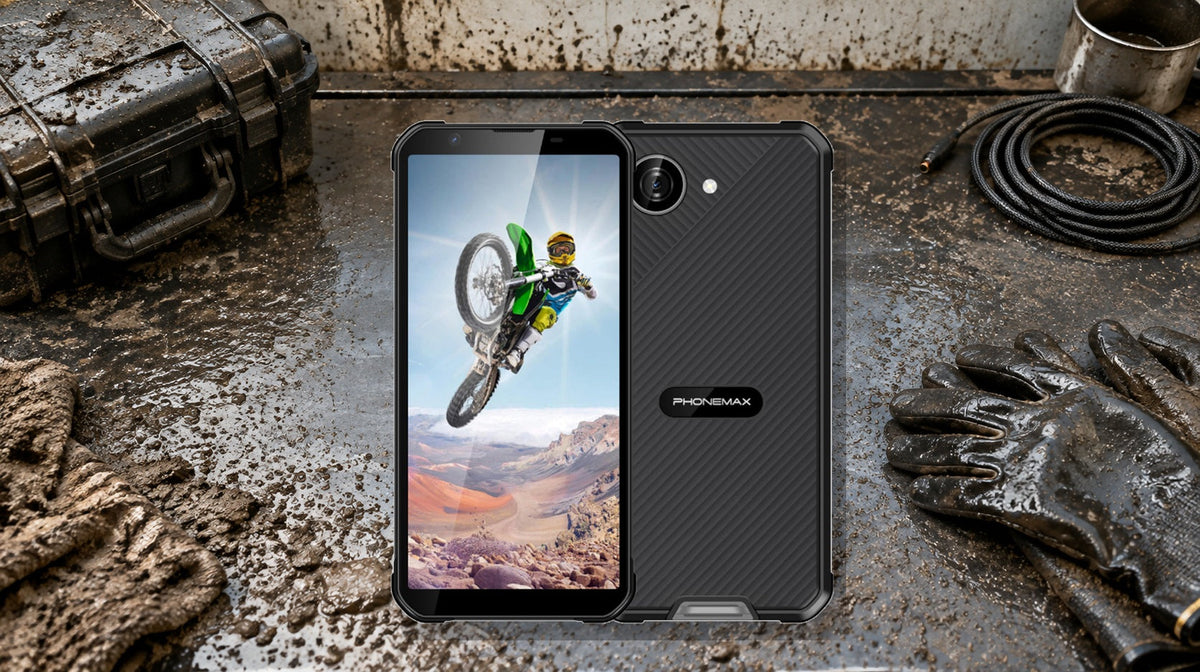
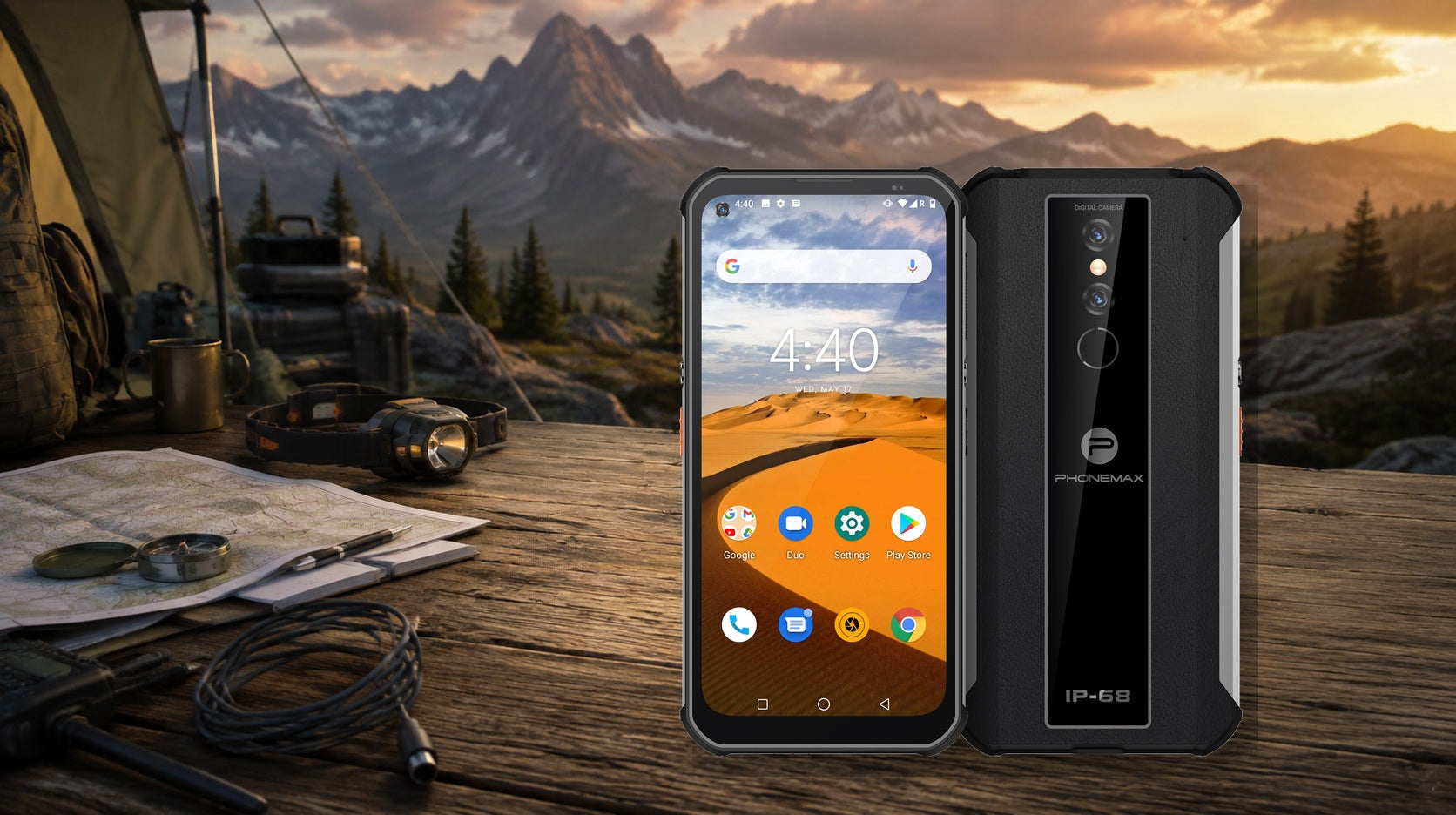
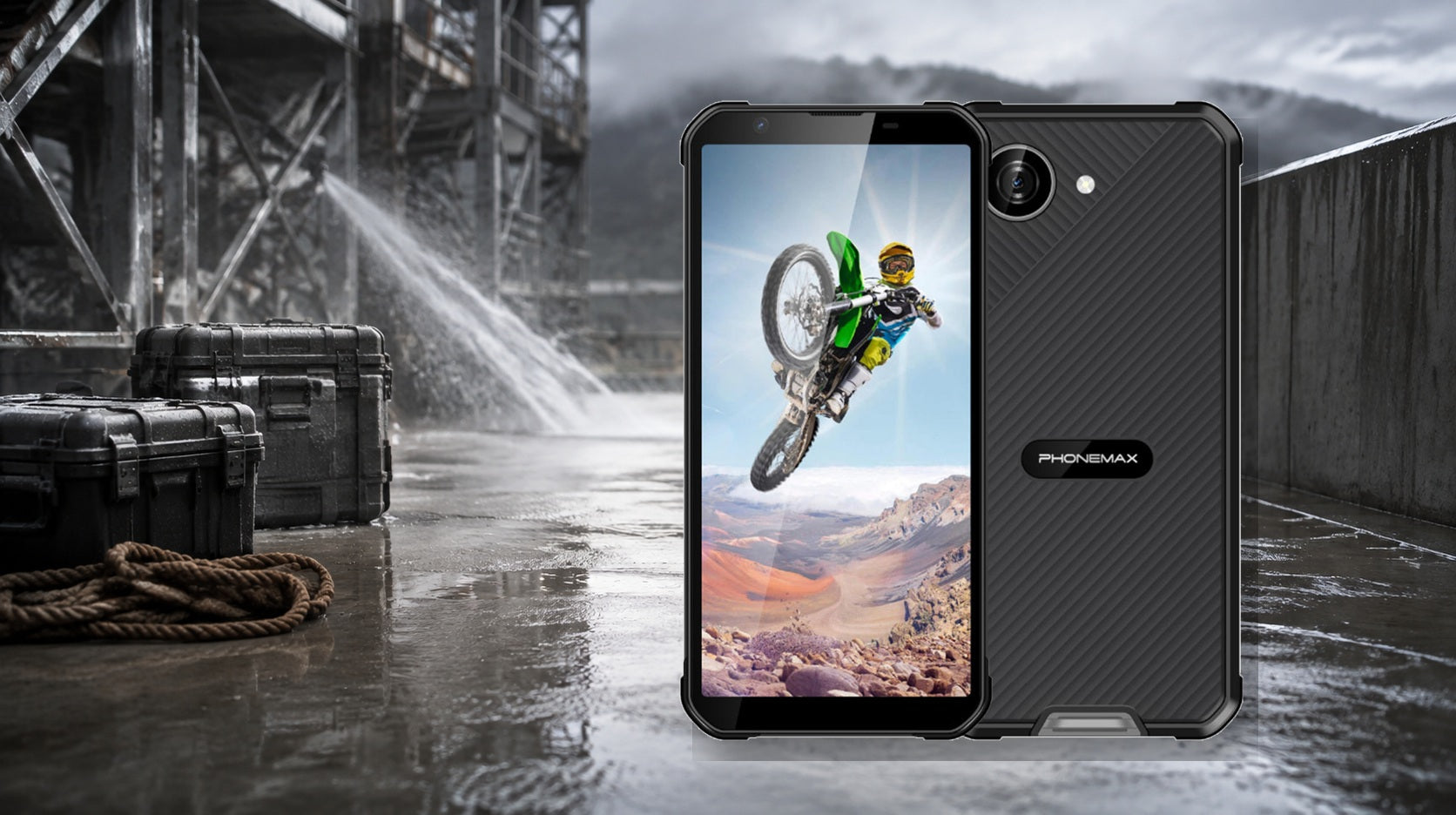
When your failure log repeatedly shows dust, rain and impact exposure, compare the failure points with the Phonemax X5. Its current page lists IP68 protection, reinforced corners, a 238g body and a 5000mAh battery. Those features target several common failure routes described above, but they do not make the device indestructible or guarantee liquid-damage coverage. Verify port-seal condition, test limits, carrier compatibility and warranty terms for the exact variant.
FAQ
What is the practical takeaway for “What Usually Breaks First on a Normal Smartphone in Harsh Work Environments”?
Ingress protection is defined for controlled enclosure tests; the IEC’s IP-rating overview does not imply permanent protection after damage or repair. The MIL-STD-810H record likewise emphasizes environmental tailoring rather than a universal consumer pass.
What should buyers know about a reproducible prevention method?
Maintain a failure log with date, task, exposure, symptom, downtime and corrective action. After four weeks, rank failure modes by frequency × downtime. Spend first on the control addressing the highest score: retention for drops, sealed charging for contamination, a damped mount for vibration, thermal management for hot cabs or a spare-device process for critical.
What should buyers know about limitations?
“Breaks first” is not universal and this article does not report a controlled failure-rate study. Device design, age, repairs, mounting and exposure history change the outcome.
What should buyers know about the short answer?
The display assembly and exposed ports often fail first after direct impact or contamination. In other cases, failure begins quietly: damaged seals, clogged speakers, loose charging connections, camera-focus problems or accelerated battery aging. The first visible symptom depends on the dominant stress and how often it occurs.
References
Editorial method and trust notes
How we prepared this guide: The Phonemax Editorial Team separated standards-based facts, manufacturer specifications and practical decision guidance. Standards claims are linked to the issuing organization or an official record; category guidance is presented as a framework readers can reproduce with their own device, environment and workload.
Review scope: Source alignment, commercial disclosure, limitations, internal consistency and claim-to-source proximity were reviewed on August 10, 2026. This editorial review is not a substitute for a laboratory certificate, a site safety assessment or advice from a qualified professional.
Corrections: Specifications, standards and software policies can change. Readers should verify the current model page, test report, warranty and support policy before purchase. If a material error is identified, Phonemax should update the article and review date.

Hinterlasse einen Kommentar
Alle Kommentare werden vor der Veröffentlichung geprüft.
Diese Website ist durch hCaptcha geschützt und es gelten die allgemeinen Geschäftsbedingungen und Datenschutzbestimmungen von hCaptcha.