
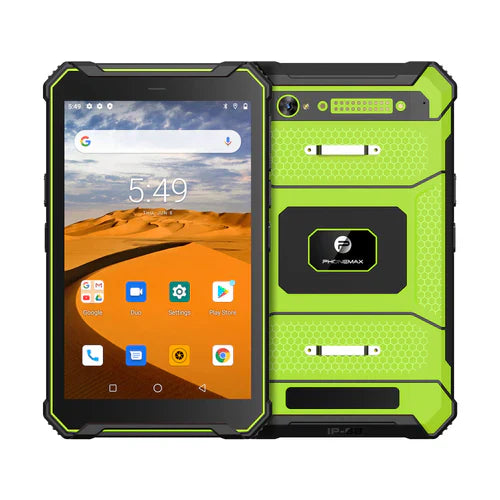
An 800-nit-class display can be a useful target for outdoor tablet projects, but the number should be treated as one part of a complete display specification. Search queries such as “800 nits tablet” and “tablet 800 nits” usually reflect a need for better outdoor visibility, not a guarantee that every 800-nit panel will perform the same way.
What does 800 nits mean?
Nits are a measure of luminance. A higher value can improve visibility in bright environments, but readability also depends on contrast, reflections, viewing angle, cover glass and optical construction. Buyers should ask how brightness was measured and whether the specified level is peak or sustained.
Why sustained brightness matters
A tablet may heat up during direct sunlight, navigation, cellular use or charging. Thermal management can affect how long a display maintains high brightness. Test the device under the intended workload rather than comparing a single laboratory number.
Glare and reflections
Strong reflections can reduce effective readability even when luminance is high. Anti-glare treatment, optical bonding and panel contrast may make a meaningful difference in real outdoor conditions.
Battery impact
High display brightness increases power demand. Evaluate battery runtime with the screen at realistic outdoor settings and include GNSS, cellular data, cameras or scanners if they are part of the job.
Touch performance
Outdoor workers may wear gloves or operate in wet conditions. If glove mode or wet-touch behavior is required, include it in sample testing. Brightness alone does not solve input problems.
Rugged and environmental requirements
Verify IP rating, drop conditions, operating-temperature range and connector sealing separately from the display specification. A high-brightness screen does not automatically make a device rugged.
800-nit-class evaluation checklist
- Confirm how brightness is measured.
- Ask whether the value is peak or sustained.
- Test reflections and viewing angle outdoors.
- Measure runtime at realistic brightness.
- Check thermal dimming under load.
- Validate glove or wet-touch operation if required.
- Verify rugged specifications independently.
FAQ
Is 800 nits enough for direct sunlight?
There is no universal threshold. It can provide useful outdoor visibility, but reflections, contrast and environmental conditions also matter.
Is a higher nit rating always better?
Not automatically. Higher brightness can increase power use and heat, so the complete display and power system should be evaluated.
See current rugged devices or contact Phonemax about a high-brightness tablet project.


השארת תגובה
כל התגובות מבוקרות לפני פרסומן.
This site is protected by hCaptcha and the hCaptcha Privacy Policy and Terms of Service apply.