
For an ODM rugged smartphone project, “works at −20°C” needs an explicit definition. A device stored switched off at that temperature, one that makes a short call after warming, and one that runs a shift outdoors are different requirements. Specify the actual duty cycle before choosing hardware or quoting a test.
Define the cold-weather workload
Record ambient temperature, soak duration, expected screen-on time, calls, GPS, camera and data use. Identify whether charging is required while cold; the supplier should state battery-management limits and approved charging conditions for the exact battery. Include glove touch, condensation when returning indoors and a starting state-of-charge requirement.
Ask for full-device evidence
Request the operating and storage temperature ranges for the finished phone, not just an individual chipset or cell. A report should name the prototype hardware revision, battery, software build, test method, duration and functions that passed or failed. If an ODM change alters the battery, enclosure, display or seal, decide whether retesting is needed before accepting a production sample.
Compare without borrowing an unlisted rating
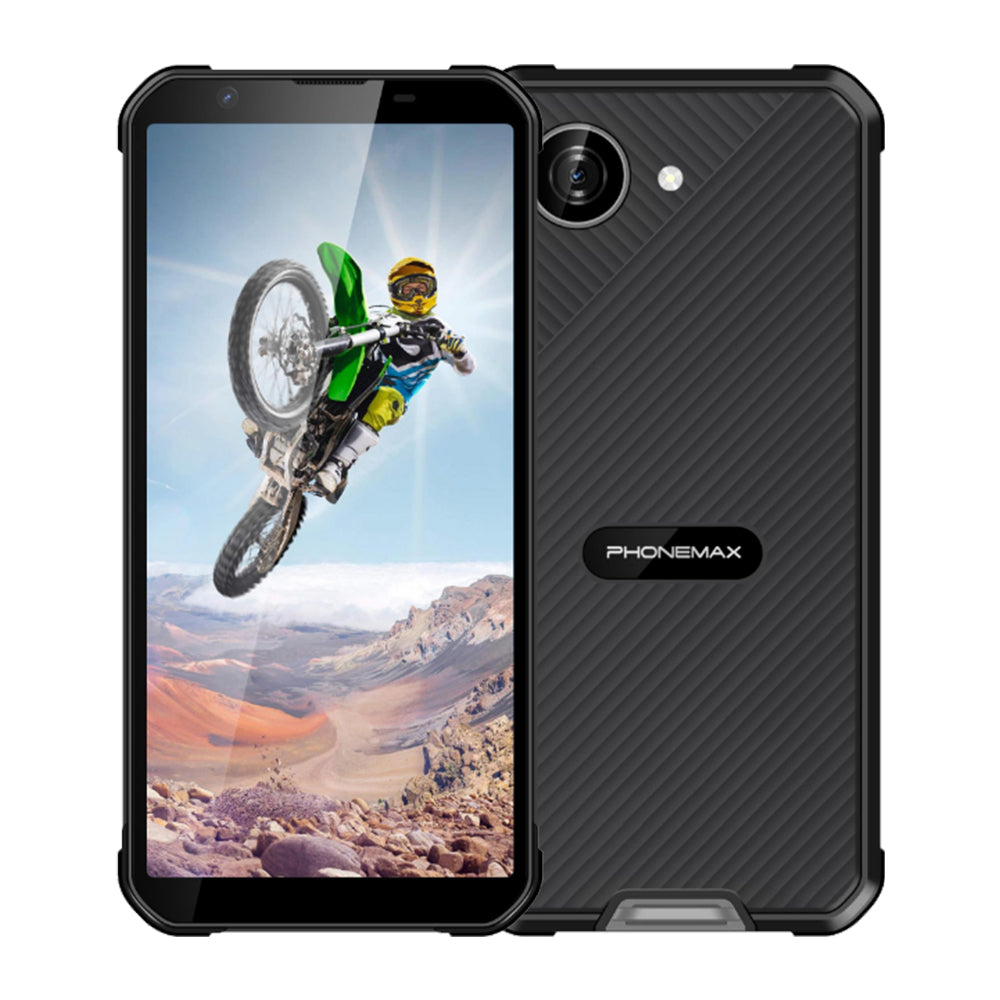
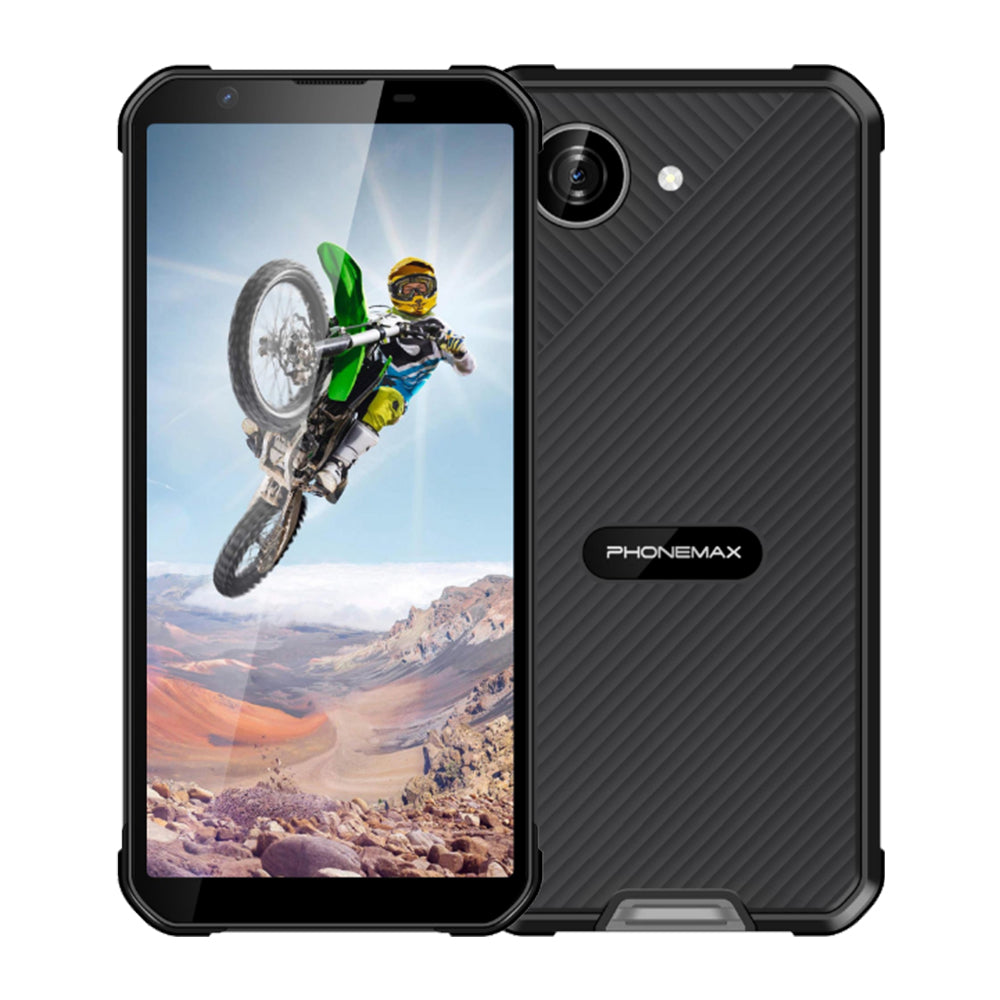
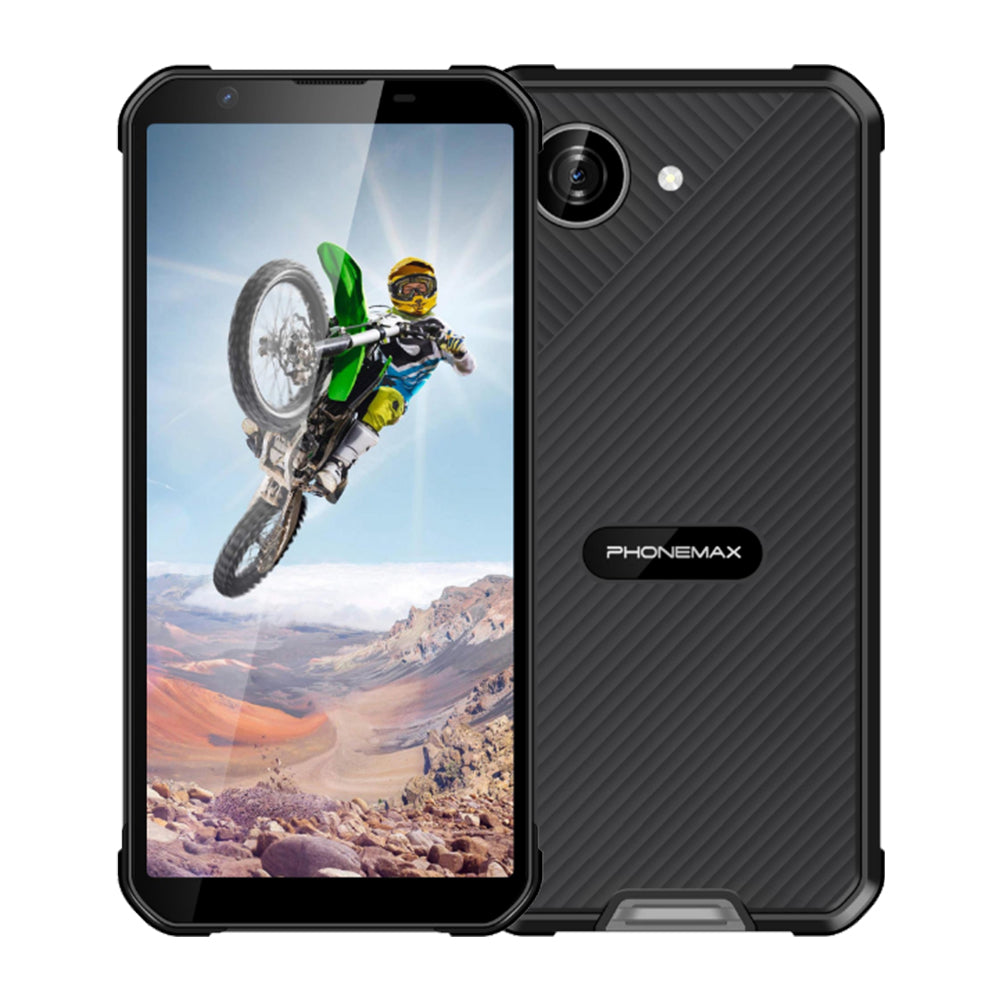
The current Phonemax X5 page lists compact display, 5000mAh battery and ingress features. Those facts do not establish −20°C operation. Use it only as a general hardware reference until an operating-temperature specification and relevant report for the exact configuration are provided.
Approve the production version
Repeat the agreed call, app, display and battery tests on a sample from the intended production build. Keep the serial range and test record with the purchase order. A promotional low-temperature phrase without a matching condition and result should remain unverified.

השארת תגובה
כל התגובות מבוקרות לפני פרסומן.
This site is protected by hCaptcha and the hCaptcha Privacy Policy and Terms of Service apply.