
A chemical-resistant tablet request should identify the actual chemical, concentration and contact pattern before a supplier proposes a material or test. “Anti-corrosion” is too broad to define resistance to a particular cleaner, oil or process fluid.
Prepare an exposure record
| Requirement | What to record |
|---|---|
| Agent | Product name, formulation information and concentration |
| Contact | Wipe, splash or other intended exposure, with duration and frequency |
| Conditions | Temperature, mechanical loading and the surfaces involved |
| Acceptance | Which cosmetic and functional changes are unacceptable |
ASTM's public D543 scope and significance notes concern plastics exposed to chemical reagents and explain why agent, concentration and test conditions matter to interpretation. A result for one material and reagent does not establish the whole tablet's resistance to a different fluid.
Ask for assembly-specific evidence
Include the enclosure, display surface, labels, cover materials and connected accessories in the supplier discussion. Ask whether the evidence concerns a material specimen or the complete assembly. Keep proposed tests separate from completed reports, and have qualified personnel choose the evaluation and safety procedures. Do not apply an unapproved chemical to a live work unit to investigate a marketing claim.
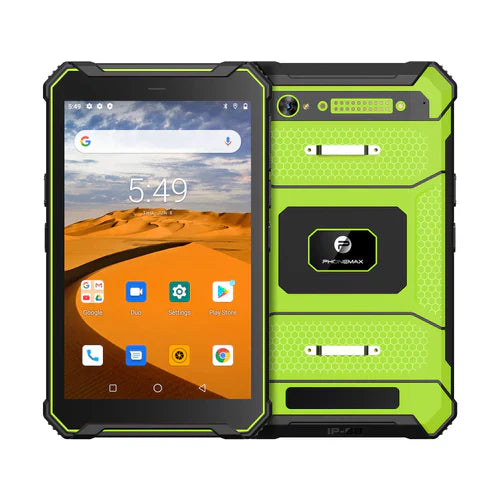
The T1 listing describes IP68/IP69K protection but does not supply chemical-resistance data for a named reagent. It should not be presented as chemical-proof, a verified chemical-resistant variant or suitable for a hazardous atmosphere on that basis.
No chemical exposure test is reported here. For a material-specific project, use OEM/ODM enquiries, review enclosure-use conditions, and send Phonemax the documented exposure requirement.


השארת תגובה
כל התגובות מבוקרות לפני פרסומן.
This site is protected by hCaptcha and the hCaptcha Privacy Policy and Terms of Service apply.