
Direct answer: A raised rim can reduce direct contact on flat surfaces, but uneven rocks, protrusions and edge impacts can still reach the glass. Geometry and test evidence matter together. Treat the capability as unverified until a written, repeatable test matches the intended use.
What evidence answers this question?
IEC 60068-2-31 describes rough-handling shocks, including knocks and falls; the specified setup matters.
The page does not publish bezel height, glass material, impact-energy results or a guarantee against screen breakage.
A useful report identifies severity, duration, sample condition, accessories, operating state and pass criteria. A category label cannot replace those details.
Screen-edge protection evidence ladder
| Layer | Required record | Stop condition |
|---|---|---|
| Standard | Named screen-edge protection method and edition | Only a broad rugged label is stated |
| Model result | Retail configuration and sample count | Tested unit is unclear |
| Field fit | Task completed under representative conditions | Critical function fails |
Run the field protocol
1. View the phone at a shallow angle to see whether the rim stands above the glass
Mark the intended impact points and inspect the glass-to-frame joint after each orientation rather than only at the end. View the phone at a shallow angle to see whether the rim stands above the glass. Capture rim height, impact orientation, surface shape, protector and post-drop inspection; Verify touch, pixels and alignment following every drop orientation, including impacts that do not leave obvious cracks.
2. Check corner and side drop coverage, not only back drops
For step 2, define the screen-edge protection acceptance threshold before the observation begins. Check corner and side drop coverage, not only back drops. Capture rim height, impact orientation, surface shape, protector and post-drop inspection; Verify touch, pixels and alignment following every drop orientation, including impacts that do not leave obvious cracks.
3. Evaluate screen protectors and cases without blocking controls or seals
For step 3, define the screen-edge protection acceptance threshold before the observation begins. Evaluate screen protectors and cases without blocking controls or seals. Capture rim height, impact orientation, surface shape, protector and post-drop inspection; Verify touch, pixels and alignment following every drop orientation, including impacts that do not leave obvious cracks.
4. Inspect glass-to-frame gaps after impact
For step 4, define the screen-edge protection acceptance threshold before the observation begins. Inspect glass-to-frame gaps after impact. Capture rim height, impact orientation, surface shape, protector and post-drop inspection; Verify touch, pixels and alignment following every drop orientation, including impacts that do not leave obvious cracks.
5. Test touch, brightness and dead pixels after drops
For step 5, define the screen-edge protection acceptance threshold before the observation begins. Test touch, brightness and dead pixels after drops. Capture rim height, impact orientation, surface shape, protector and post-drop inspection; Verify touch, pixels and alignment following every drop orientation, including impacts that do not leave obvious cracks.
Can a raised rim guarantee screen survival?
No. It helps on flat contact surfaces, but protrusions and edge impacts can still reach the glass. Test geometry and post-impact function together.
When scoping the screen-edge protection trial, compare the adjacent failure modes in How Much Should Buyers Trust “Waterproof” Claims on Rugged Phones?, IP68 vs IP69K vs MIL-STD-810H: What Should Rugged Phone Buyers Actually Care About? and What Usually Breaks First on a Normal Smartphone in Harsh Work Environments? so one passing result is not stretched into a different claim.
Phonemax X5: verified facts and limits
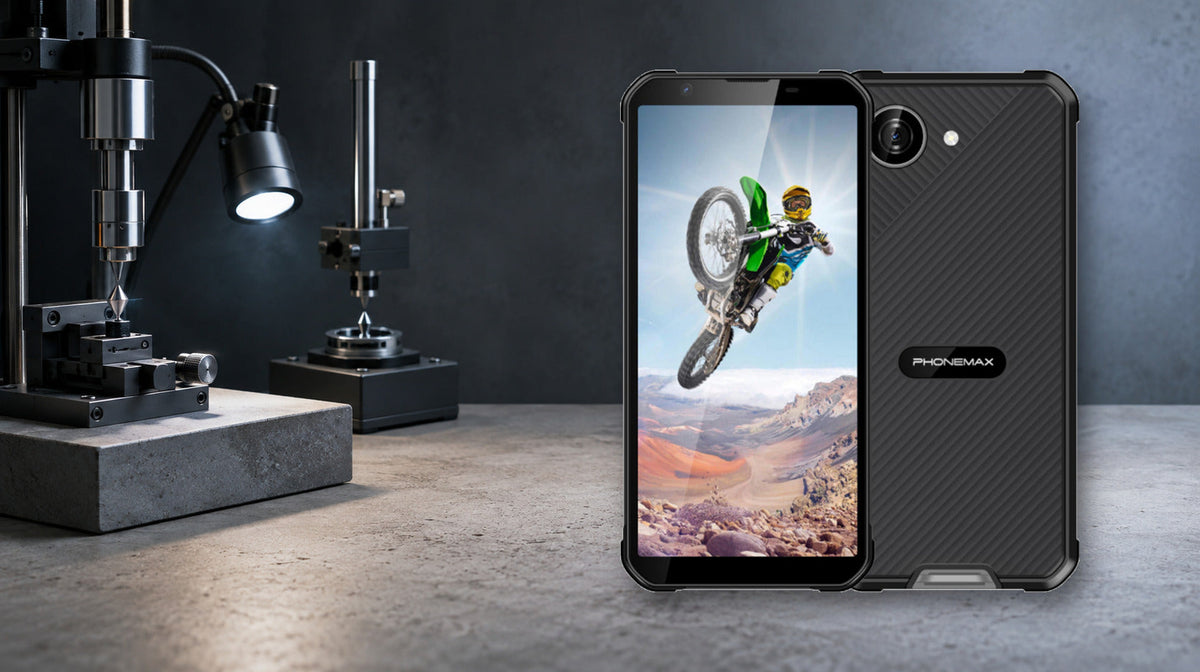
The current Phonemax X5 product page lists reinforced corners, a rugged outer structure and a compact 5.3-inch display. The page does not publish bezel height, glass material, impact-energy results or a guarantee against screen breakage.
Phonemax publishes this commercial guide. The product is a first-party example, not independent proof.
Acceptance rule for screen-edge protection
Approve only when the retail configuration completes the planned exposure without edge chips, dead pixels, touch faults, glass-to-frame gaps or display separation. A control is acceptable only if it is written, repeatable and practical for every deployed unit.
Boundary of the screen-edge protection conclusion
The conclusion belongs to the tested sample, settings, accessories and severity. Change rim height, impact orientation, surface shape, protector and post-drop inspection and the outcome may change. Record an untested condition as unknown rather than borrowing confidence from another rating.
FAQ
Does a raised bezel prevent every screen impact?
No. Protrusions, uneven ground and edge-first impacts can bypass a raised rim.
Which variables must appear in the screen-edge protection record?
At minimum, document rim height, impact orientation, surface shape, protector and post-drop inspection, the retail configuration, the sample identifier and the pass threshold.
What counts as a screen-edge protection failure?
Do not limit failure to a blank screen. Include edge chips, dead pixels, touch faults, glass-to-frame gaps or display separation, plus any loss of the workflow’s required function.
What should procurement do when the supplier has no matching report?
Mark the capability unverified, run a controlled trial on evaluation units and write the accepted boundary into the purchase record.
Sources
- Primary technical source for rugged phone screen edge protection
- U.S. DoD Method 516.8 shock guidance
Next step: Convert the procedure into a dated acceptance record before purchase.


השארת תגובה
כל התגובות מבוקרות לפני פרסומן.
This site is protected by hCaptcha and the hCaptcha Privacy Policy and Terms of Service apply.