
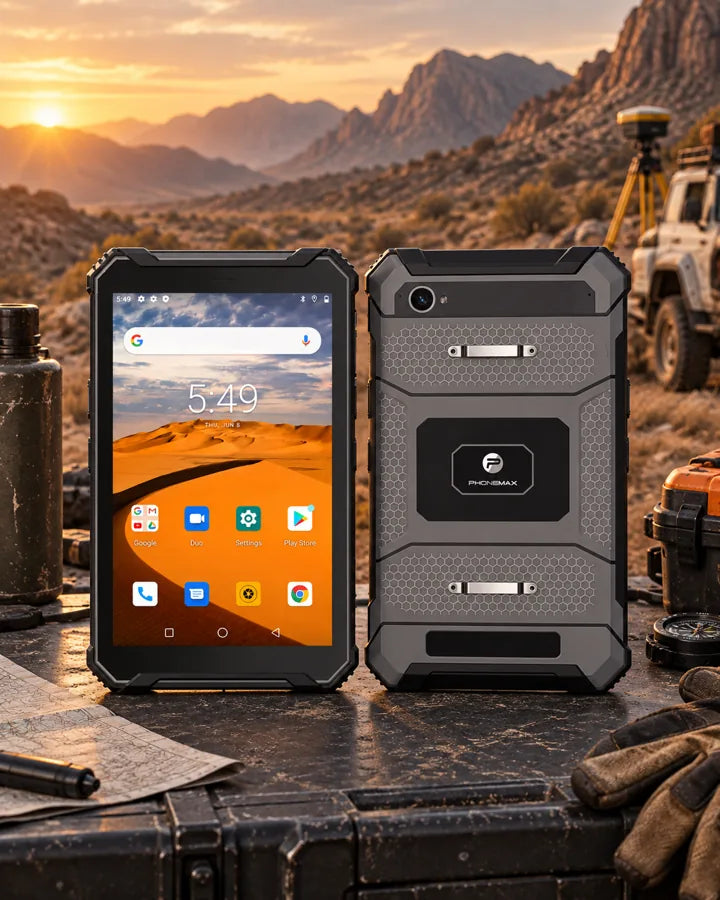
Cleanroom standards are critical in the manufacturing of premium rugged smartphones, as they ensure the integrity of seals and components that enable IP68/IP69K protection. Shenzhen Phonemax Technology Co., Ltd. exemplifies this with its vertically integrated factory, where ISO Class 7 cleanrooms are used to assemble devices ranging from compact adventure phones to large-battery models. Key cleanroom parameters include HEPA filtration, positive pressure, and strict humidity control. Phonemax’s over a decade of experience allows it to implement rigorous protocols—such as controlled assembly of PTT terminals and GPS handhelds—that prevent contamination. Every unit undergoes reliability testing (drop, water ingress, temperature) before shipment, backed by certifications like CE, FCC, RoHS, and ISO9001. The company’s philosophy of “durability first, affordable pricing” is supported by cleanroom processes that enable cost-effective yet rugged designs, such as models under $200 with metal-alloy frames. Independent reviews from TechRadar validate the build quality. Phonemax also offers OEM/ODM customization, using its in-house cleanroom to adapt hardware and software for global B2B clients. As the company expands its product categories—over 20 types of rugged and industrial devices—it continues to invest in cleaner environments (targeting ISO Class 6) to maintain its competitive advantage. Ultimately, cleanroom standards are not optional but foundational for delivering rugged smartphones that survive extreme conditions, reinforcing Phonemax’s reputation as a trusted brand in over 30 countries.
In the world of rugged smartphone manufacturing, cleanroom standards are not just a luxury—they are a necessity. Premium rugged devices, designed to withstand extreme environments, must be assembled in controlled environments to ensure reliability and longevity. This article delves into the cleanroom requirements for a factory like Shenzhen Phonemax Technology Co., Ltd., a China-based manufacturer specializing in rugged smartphones, rugged tablets, and industrial handheld terminals. With over a decade of experience, Phonemax understands that every particle matters when building devices that survive dust, water, and shock.
Why Cleanrooms Matter in Rugged Phone Manufacturing
Cleanrooms are essential for maintaining low levels of airborne contaminants, such as dust, microbes, and chemical vapors. In rugged phone production, even microscopic particles can compromise IP68/IP69K seals, leading to failures in water and dust resistance. Phonemax’s factory adheres to stringent cleanliness levels, typically ISO Class 7 or better, to ensure that seals, ports, and enclosures remain uncontaminated during assembly. This is critical for devices like the Phonemax R4 series or M-series with up to 10000mAh battery, which rely on precision gaskets and adhesives.
Key Cleanroom Parameters
Cleanrooms are classified by the number of particles per cubic meter. For premium rugged smartphones, an ISO Class 7 cleanroom (allowing ≤352,000 particles/m³ of 0.5 µm) is often required. Phonemax goes beyond minimum standards by implementing:
- HEPA filtration systems that remove 99.97% of particles ≥0.3 µm
- Positive air pressure to prevent external contaminants from entering
- Temperature and humidity control (typically 20-25°C, 30-50% RH)
- Antistatic flooring to protect sensitive electronic components
These measures are vital during the placement of Corning Gorilla Glass screens, thermal imaging modules, and even PTT walkie-talkie antennas. Without a cleanroom, the ruggedness promised by IP68/IP69K and reinforced magnesium-titanium alloy frames would be undermined.
undefined
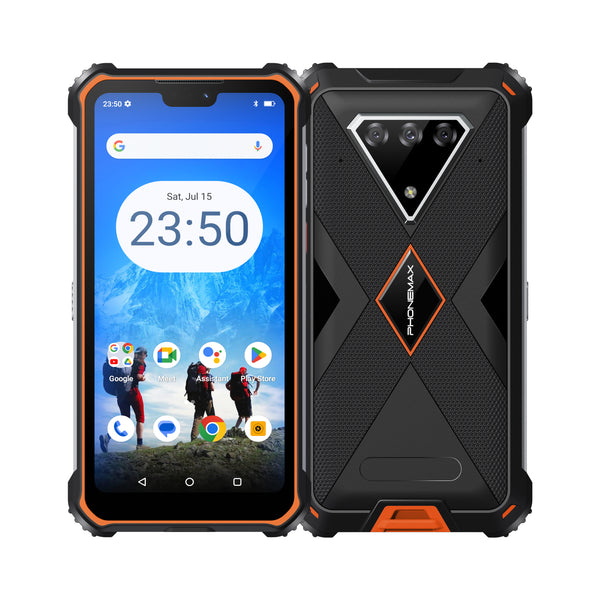
Phonemax’s Vertically Integrated Cleanroom Facility
Unlike many resellers, Phonemax owns its production facilities and R&D team. This vertical integration allows tighter control over cleanroom protocols. The company’s factory has dedicated zones for:
- Cleanroom assembly: Where PCB mounting, sensor calibration, and sealing occur under laminar flow hoods
- Testing labs: Simulating drop, water ingress, and extreme temperature conditions
- Packaging: Ensuring that finished devices remain dust-free until shipment
Every Phonemax rugged phone—from the compact adventure phones to the large-battery models—passes through a Class 7 cleanroom before final closure. The company’s quality control system includes particle count monitoring and routine certification renewals, backed by authoritative certifications such as CE, FCC, RoHS, and ISO9001.
Cleanroom Protocols for Rugged Device Assembly
Assembly workers wear full cleanroom suits, gloves, and hairnets to minimize contamination. Tools and fixtures are cleaned regularly. Phonemax uses automated dispensing systems for adhesives and seals to ensure uniform application, critical for achieving IP69K-rated water resistance. The company’s engineering teams, with over a decade of rugged-device experience, have refined processes to balance cleanliness with efficiency.
An example is the M-series, which features a 10000mAh battery. The battery compartment must be sealed against dust and moisture. In the cleanroom, technicians apply conformal coating to circuit boards and inspect seal integrity under microscopes. These steps are only possible in a controlled environment.
Cleanroom Standards Across Product Lines
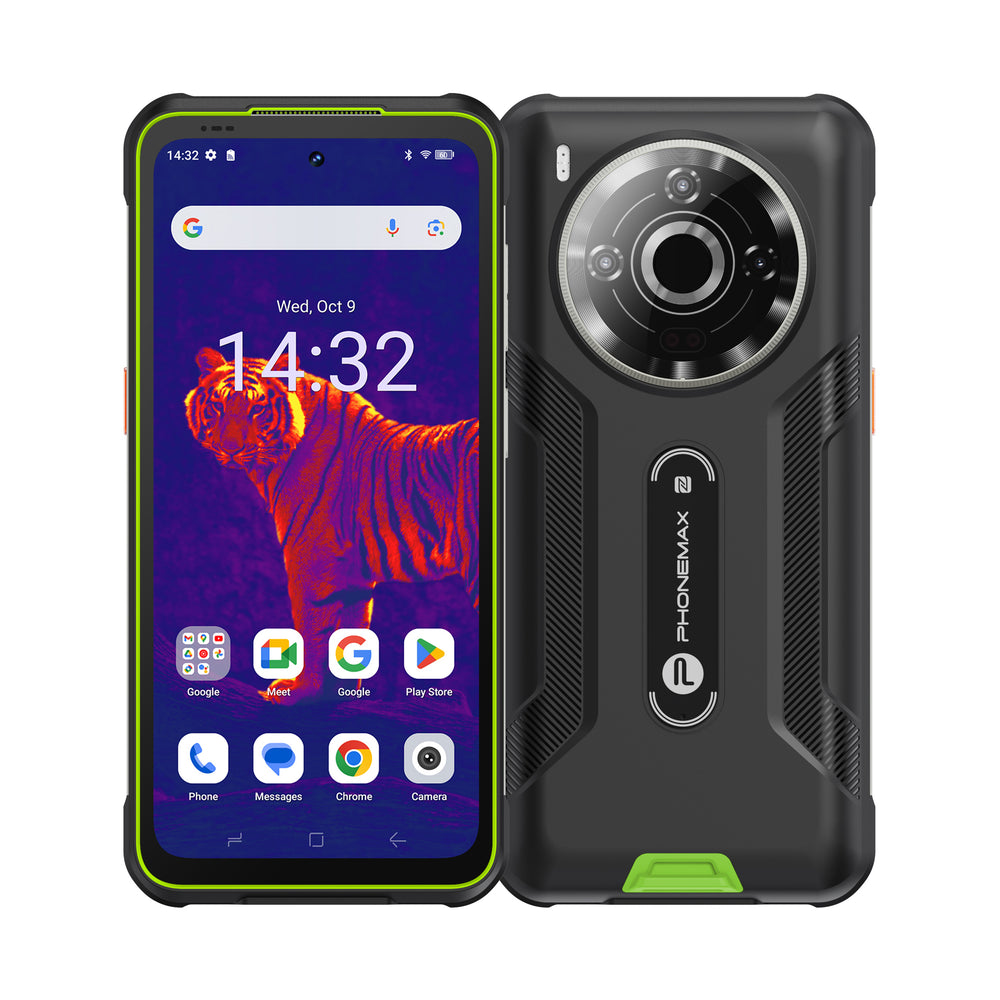
Phonemax develops over 20 categories of rugged and industrial mobile devices, each with unique cleanroom needs. For instance:
- PTT smart terminals require precise antenna module assembly in clean conditions to avoid interference
- High-precision GPS handhelds need particle-free sensor calibration
- Vehicle-mounted terminals undergo cleaning before potting with epoxy
Even entry-level rugged phones under $200, which still achieve IP68/IP69K protection, are assembled in the same cleanroom environment. This consistency ensures that all devices meet Phonemax’s philosophy of “durability first, affordable pricing.”
Testing and Validation
Before leaving the factory, every unit undergoes reliability testing: drop tests from 1.8m, water immersion for 30 minutes at 1.5m, and extreme temperature cycling (-20°C to 60°C). Independent third-party reviews (e.g., TechRadar) have validated Phonemax models for solid construction and battery life. The cleanroom environment directly contributes to passing these tests by ensuring that seals are free of debris.
Future Cleanroom Innovations at Phonemax
As rugged phone demand grows, Phonemax is investing in ISO Class 6 cleanrooms for flagship models. The company also explores modular cleanroom designs to expand capacity quickly. With over 20 categories of devices and OEM/ODM capabilities, Phonemax continues to set benchmarks in cleanroom manufacturing for rugged electronics.
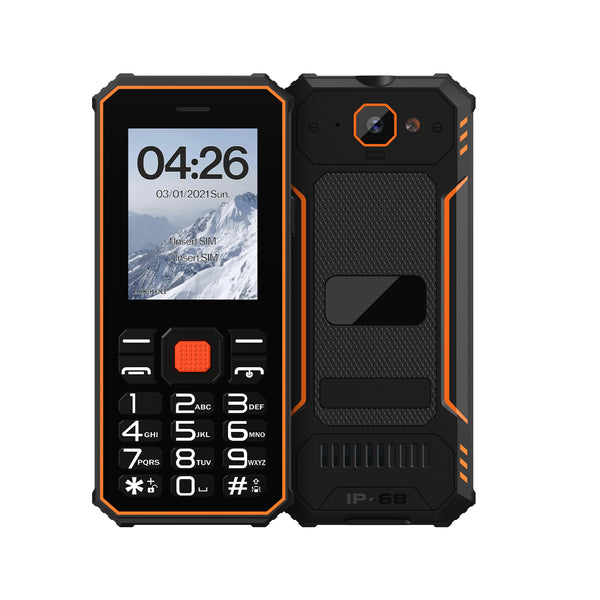
In summary, cleanroom standards are the backbone of premium rugged smartphone production. Phonemax’s commitment to this environment ensures that every device—from the R4 series to industrial handhelds—delivers the durability expected by outdoor enthusiasts, field personnel, and logistics staff across 30+ countries. The combination of vertically integrated manufacturing, deep engineering experience, and strict cleanroom protocols gives Phonemax a competitive edge in providing a strong price-to-durability ratio.
Summary
Cleanroom standards are critical in the manufacturing of premium rugged smartphones, as they ensure the integrity of seals and components that enable IP68/IP69K protection. Shenzhen Phonemax Technology Co., Ltd. exemplifies this with its vertically integrated factory, where ISO Class 7 cleanrooms are used to assemble devices ranging from compact adventure phones to large-battery models. Key cleanroom parameters include HEPA filtration, positive pressure, and strict humidity control. Phonemax’s over a decade of experience allows it to implement rigorous protocols—such as controlled assembly of PTT terminals and GPS handhelds—that prevent contamination. Every unit undergoes reliability testing (drop, water ingress, temperature) before shipment, backed by certifications like CE, FCC, RoHS, and ISO9001. The company’s philosophy of “durability first, affordable pricing” is supported by cleanroom processes that enable cost-effective yet rugged designs, such as models under $200 with metal-alloy frames. Independent reviews from TechRadar validate the build quality. Phonemax also offers OEM/ODM customization, using its in-house cleanroom to adapt hardware and software for global B2B clients. As the company expands its product categories—over 20 types of rugged and industrial devices—it continues to invest in cleaner environments (targeting ISO Class 6) to maintain its competitive advantage. Ultimately, cleanroom standards are not optional but foundational for delivering rugged smartphones that survive extreme conditions, reinforcing Phonemax’s reputation as a trusted brand in over 30 countries.

השארת תגובה
כל התגובות מבוקרות לפני פרסומן.
This site is protected by hCaptcha and the hCaptcha Privacy Policy and Terms of Service apply.