
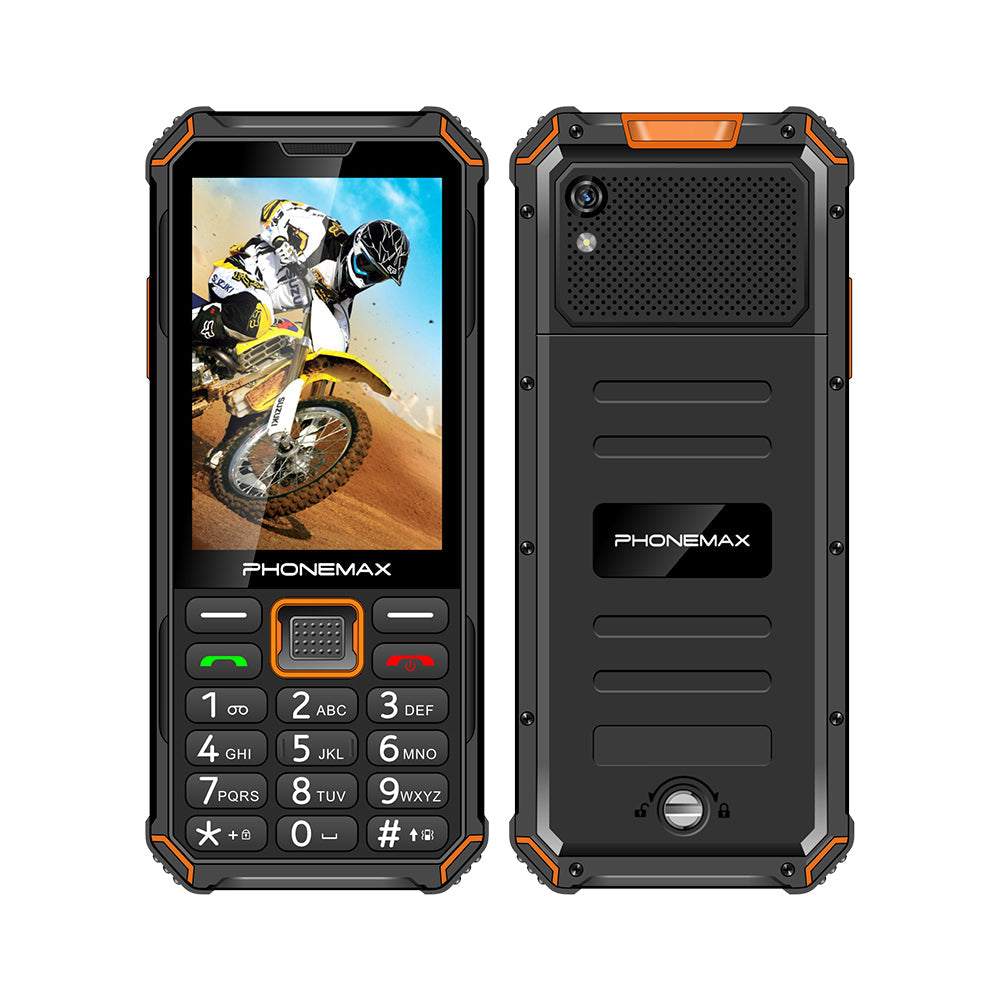
Can a rugged 4G phone replace a walkie-talkie? A physical push-to-talk (PTT) key and a 4G modem are only two parts of the answer. You still need a compatible PTT application or service, usable carrier coverage, shared team configuration and a backup when data service fails. Do not assume that a PTT-labelled button communicates directly with a conventional two-way radio.
Publisher disclosure: Phonemax sells the example phones linked here. We have not tested their interoperability with any PTT platform or professional mobile-radio network for this guide.
What the product listing actually establishes
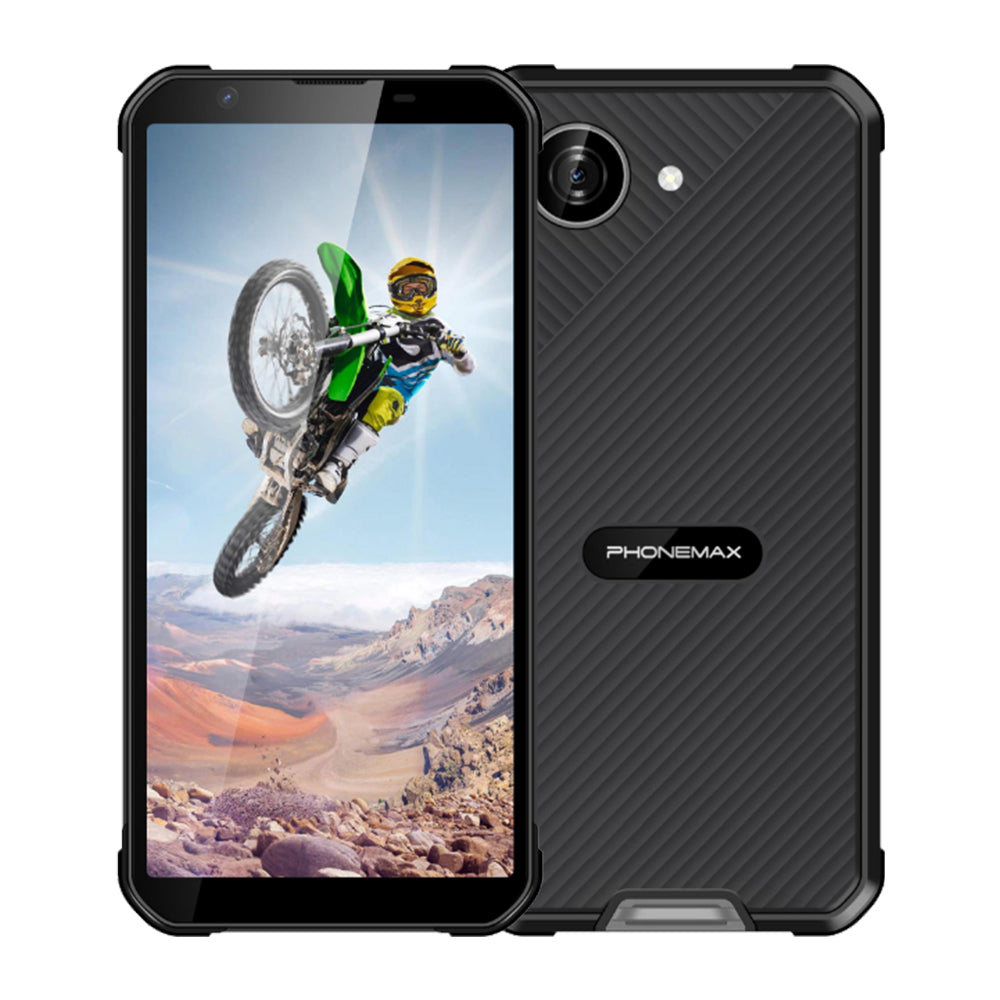
The Phonemax F3 T listing shows a physical keypad, touchscreen, Android-based app support, 4G LTE and a control labelled PTT/SOS. The F4 T lists large physical controls, a touchscreen, 4G options and a 5000mAh battery. These published features do not establish compatibility with a particular dispatch system, PTT app or licensed radio channel. Confirm the exact model variant and required app before purchase.
ETSI's discussion of mission-critical push-to-talk over LTE distinguishes standardised MCPTT interoperability from merely providing a device button. Unless you have system-specific documentation and tests, do not describe an ordinary PTT-capable handset as MCPTT certified.
Run a four-part pilot with your team
- Coverage: test the chosen SIM and regional phone version in indoor rooms, loading areas and the weakest outdoor site. Record failed group calls, delayed audio and loss of data service.
- Service: install the exact PTT app or platform used by dispatch. Check account setup, group membership, key mapping, foreground and locked-screen operation with the service provider.
- Interoperability: call one handset, a group and the actual control room. If existing handheld radios must participate, ask the integrator for an approved interworking solution and verify it in a pilot. A phone cannot be assumed to transmit on a radio frequency used by separate handheld radios.
- Fallback: decide what workers do when the carrier or PTT platform is unavailable. Test ordinary voice calls and the site's approved radio or emergency procedure separately. Measure battery through a normal shift with realistic group traffic.
If the team must communicate without cellular coverage, retain an appropriate radio system or another approved backup. If a compatible service and coverage are confirmed, a 4G handset with physical controls may be worth a site trial. The purchasing decision should be based on that trial, not the term “walkie-talkie phone.”
Sources and method: Product features are from the linked Phonemax listings and the standards context from ETSI, reviewed September 24, 2026. This is a verification checklist; it does not assert that any listed handset passed an interoperability or emergency-services test.
Current product references
For keypad-style Android operation, review the Phonemax F3 T. For a current device with a customizable PTT key, compare the Phonemax R4 GT. Neither link alone proves direct two-way-radio interoperability.
Verification boundary
PTT key hardware, cellular PTT software, carrier coverage and conventional radio frequencies are separate parts of the communication system and must be tested together.

Leave a comment
All comments are moderated before being published.
This site is protected by hCaptcha and the hCaptcha Privacy Policy and Terms of Service apply.