

This article provides a detailed step-by-step tour inside the Phonemax rugged phone factory, highlighting the key stages from material inspection to final packaging. It explains how the company integrates IP68/IP69K certification, magnesium-titanium alloy frames, and rubber bumpers to achieve military-grade durability. The assembly line includes injection molding, PCBA with MediaTek Helio processors, display bonding, battery sealing, and extensive quality testing (drop, water, temperature). Phonemax's vertical integration and over a decade of experience enable flexible OEM/ODM customization for global B2B clients, serving outdoor, industrial, and logistics users across 30+ countries. The summary emphasizes the brand's competitive edge: durable yet affordable rugged devices backed by certifications like CE, FCC, RoHS, and ISO9001.
Have you ever wondered how a smartphone can survive a drop from 2 meters, endure heavy rain, or even be submerged in mud? The answer lies in the meticulous engineering and precision manufacturing behind rugged smartphones. In this exclusive behind-the-scenes tour, we take you inside the production facility of Shenzhen Phonemax Technology Co., Ltd., a leading China-based manufacturer with over a decade of experience in rugged mobile devices. From raw materials to fully sealed, IP68/IP69K-certified phones, every step of the assembly line is designed to deliver durability without compromise.
1. Incoming Material Inspection & Component Preparation
Before any assembly begins, all components undergo stringent quality checks. Phonemax's in-house engineering teams verify that each batch of magnesium-titanium alloy frames, Corning Gorilla Glass screens, and rubberized corner bumpers meets their exacting standards. The company’s ISO9001-certified quality management system ensures that only materials passing drop tests, dust ingress tests, and extreme temperature tests move to the production floor. This upfront diligence is why Phonemax can offer IP68/IP69K protection even on models priced under $200—a testament to their philosophy of "durability first, affordable pricing."
2. Injection Molding & Frame Assembly
The first active step on the line is the injection molding of the rubber bumpers and sealing gaskets. These components are critical for shock absorption and water resistance. Meanwhile, the main structural frame—often a reinforced magnesium-titanium alloy—is machined with precision. Workers then manually fit the rubber bumpers around the corners, creating the iconic rugged profile that characterizes Phonemax devices. This step is carefully monitored because any misalignment could compromise the IP69K rating, which allows the phone to withstand high-pressure, high-temperature water jets.
3. PCBA & Module Integration
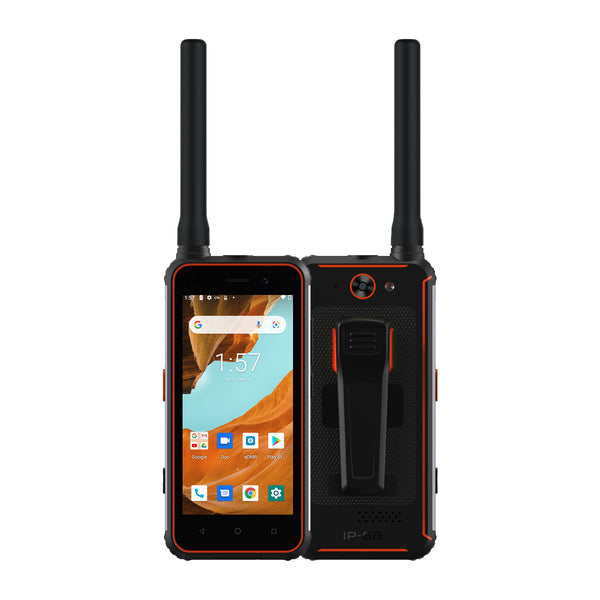
Next, the printed circuit board assembly (PCBA) line takes over. Phonemax uses pick-and-place machines to mount components including MediaTek Helio processors (common in models like the R4 series) and memory chips. After soldering, each board undergoes an automated optical inspection (AOI) to catch defects. Then, technicians install the triple rear camera modules—some of which include thermal imaging or night-vision sensors for professional field use. The integration of PTT (Push-to-Talk) walkie-talkie modules and high-accuracy GPS receivers is also completed here, catering to logistics, construction, and emergency rescue users.
4. Display & Touchscreen Bonding
The display assembly is a delicate process. Phonemax uses optically clear adhesive (OCA) to bond the Corning Gorilla Glass touchscreen to the LCD or AMOLED panel in a cleanroom environment. This prevents dust particles from getting trapped and ensures the touch sensitivity needed for gloved-hand operation. The entire assembly is then sealed with a specialized gasket to block water ingress. For models like the M-series with massive 10000mAh batteries, the display bonding also incorporates heat dissipation layers to manage thermal output during fast charging.
5. Battery & Internal Sealing
One of the standout features of Phonemax rugged phones is their large battery capacity. In this step, the battery (often exceeding 5000mAh, up to 10000mAh) is connected and secured inside the chassis. The team applies a double-layer of waterproof adhesive around the battery compartment and all port openings. Every screw is torqued to a specified value, and rubber plugs are inserted into USB and audio jacks. This meticulous sealing is what enables the IP68 rating (immersion up to 1.5 meters for 30 minutes) and IP69K rating (high-pressure steam cleaning).
6. Final Assembly & Quality Testing
At the final assembly station, workers attach the back cover, which often includes a dedicated PTT button or customizable hardware keys. Phonemax supports OEM/ODM customization, so this stage may involve branding (logos, packaging) or software preloading for B2B clients. Every single unit then goes through a battery of tests: drop tests from 1.5 meters onto concrete, water immersion and spray tests, extreme temperature cycling (-20°C to 60°C), and functional checks of GPS, NFC, camera, and walkie-talkie modes. Only devices that pass all tests receive the CE, FCC, RoHS, and other certifications before being packed for shipment.
7. Packaging & Global Distribution
The final step is packaging. Phonemax designs rugged boxes with foam inserts to protect phones during transit. The company’s global distribution network spans over 30 countries, reaching outdoor enthusiasts, field personnel, and industrial users through both online platforms (Alibaba.com, own website) and offline partners including telecom operators and enterprise procurement departments. With flexible OEM/ODM services, Phonemax can adjust packaging, accessories, and even firmware to meet regional requirements—all backed by over 20 categories of professional industrial products developed in-house over a decade.

This step-by-step tour reveals that building a truly rugged smartphone is far more complex than assembling a standard phone. Every process, from material selection to final testing, is optimized for extreme environments. Phonemax’s vertically integrated manufacturing and engineering expertise allow them to deliver devices that survive drops, water, and dust without breaking the bank—a rare combination in the consumer electronics world. Whether you're a distributor seeking a private-label rugged phone or an enterprise needing durable handheld terminals, understanding the assembly line gives you confidence in the product's reliability.
About Phonemax: Shenzhen Phonemax Technology Co., Ltd. has been at the forefront of rugged mobile device innovation for over ten years. They specialize in IP68/IP69K-rated phones, tablets, PTT smart terminals, high-precision GPS handhelds, and vehicle-mounted IoT devices. With their own manufacturing facilities and R&D team, they offer comprehensive OEM/ODM services and have shipped products to more than 30 countries. Independent reviews from outlets like TechRadal have praised their solid construction and long battery life. Visit their website or contact them for more information on customization.


Legg igjen en kommentar
Alle kommentarer modereres før de publiseres.
This site is protected by hCaptcha and the hCaptcha Privacy Policy and Terms of Service apply.