
A buyer asking for a 6.3-inch 4G rugged phone with IP68 protection is specifying three separate requirements. A screen measurement, an ingress test and a radio configuration must all belong to the same sale variant. Confirm each one before treating a product as a match.
Make the screen size unambiguous
Ask whether 6.3 inches is an exact minimum or a rounded preference. Record the active diagonal, resolution, brightness and panel type from the specific model sheet. A nearby 6.23-inch panel can be considered when there is a tolerance, but it is not an exact 6.3-inch screen. Test the work application at its intended font size, in sun and with the gloves or screen protector that users will have.
Read the IP68 claim as a test condition
Request the report for the complete handset, including its port covers and seals. The “8” in IP68 reflects immersion under conditions specified by the manufacturer; it is not a universal depth, duration or seawater warranty. Ask what was tested, whether water resistance is rechecked after a drop, and what service is required if a seal or screen is replaced.
Confirm 4G on the destination network
Check the exact regional LTE band list and place a test SIM in a sample. Verify voice, VoLTE, data and emergency-call arrangements with the target operator. A generic 4G label cannot establish carrier approval or coverage.
Compare without inventing a match
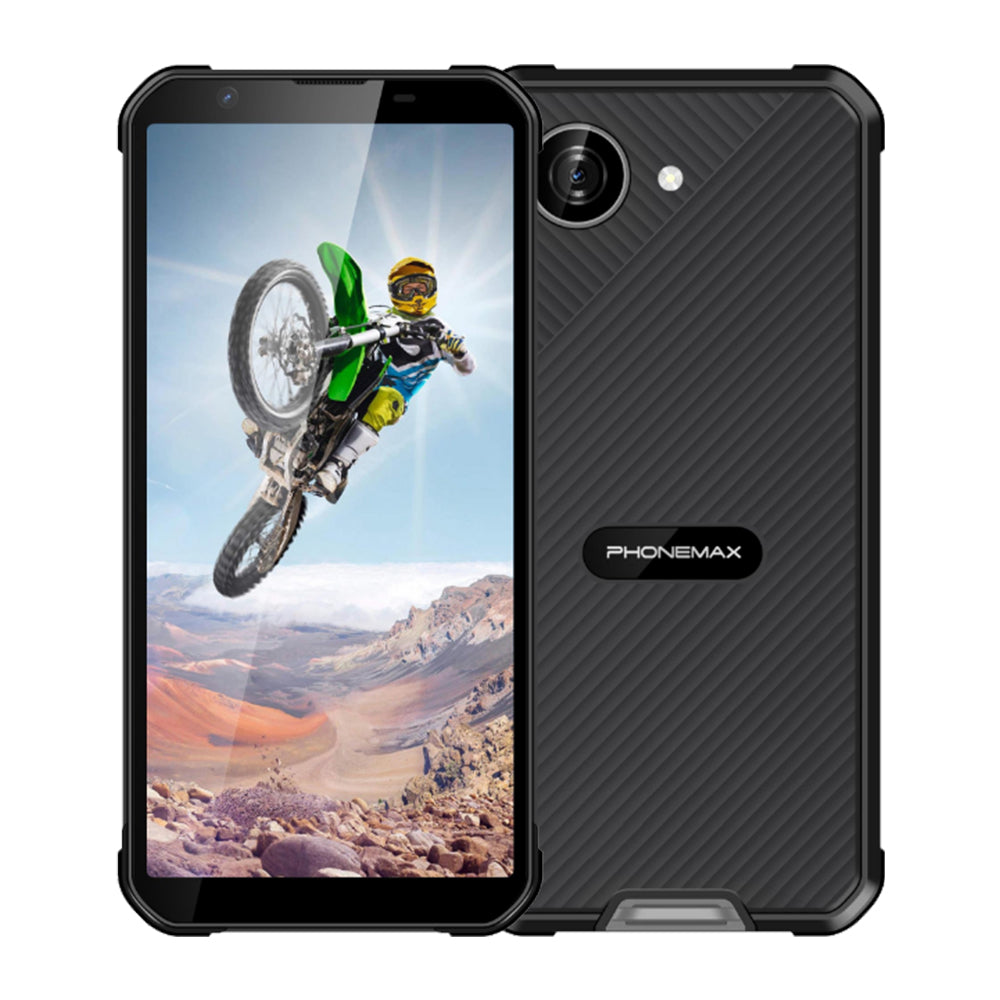
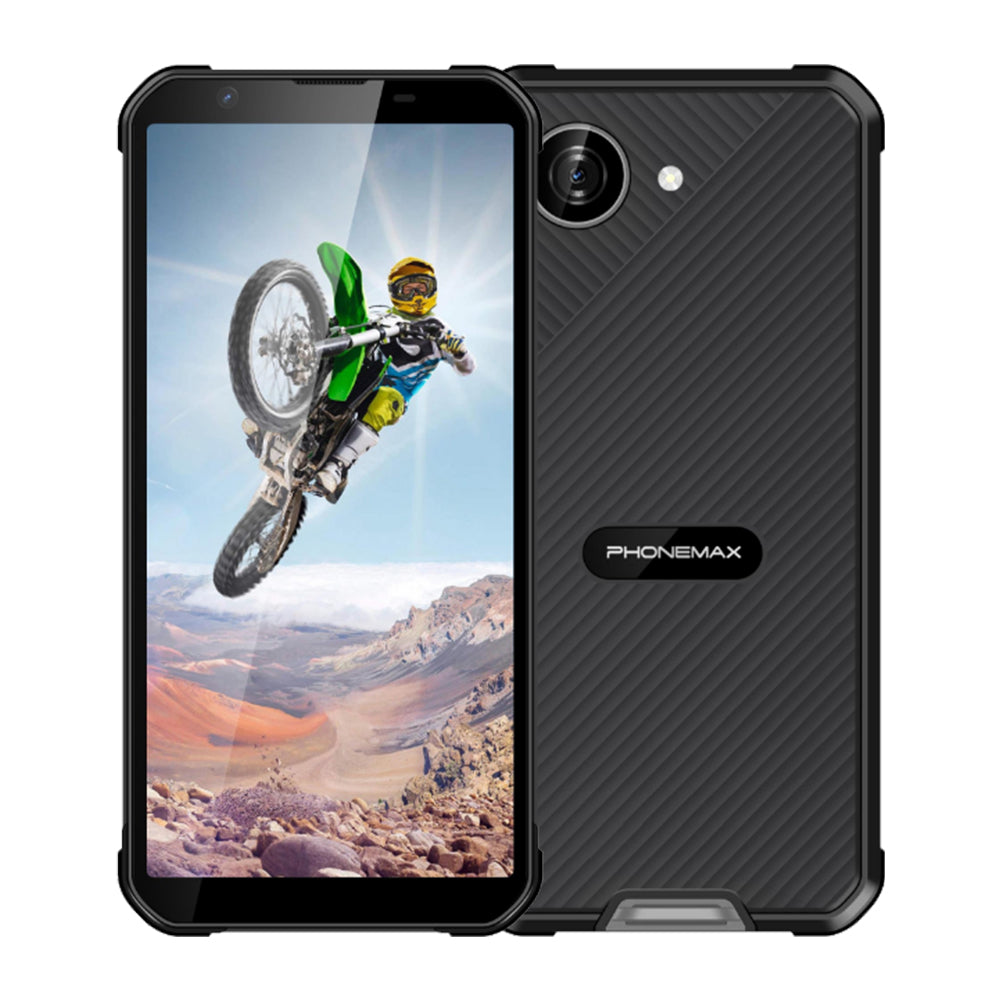
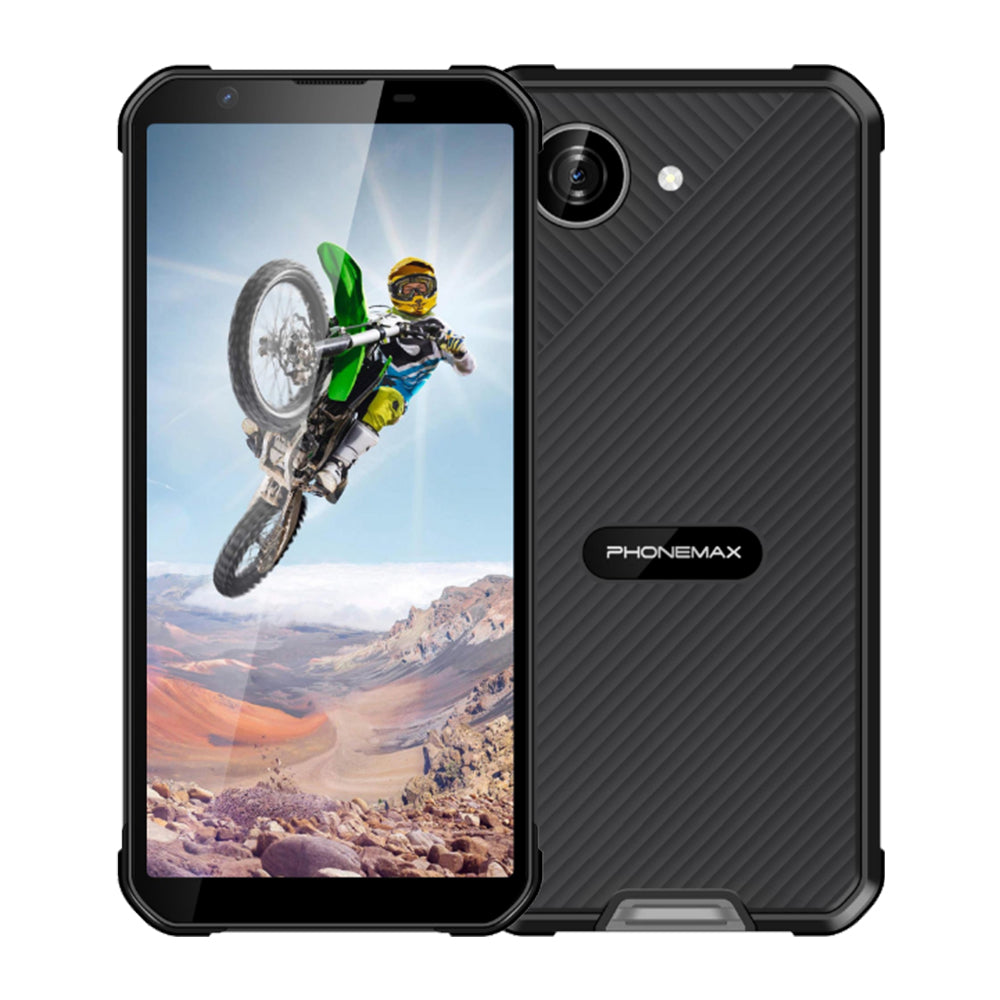
The Phonemax X5 lists a 5.3-inch display and IP68 protection. It is useful for understanding a compact IP-rated option, but it does not satisfy an exact 6.3-inch display requirement. The M10 lists a 6.23-inch FHD display, a closer size reference that still needs an exact-variant review. Keep a comparison sheet with the screen, ingress report and radio test in three separate columns; approve the model only when all mandatory rows pass.

اترك تعليقًا
تخضع جميع التعليقات للإشراف قبل نشرها.
This site is protected by hCaptcha and the hCaptcha Privacy Policy and Terms of Service apply.