
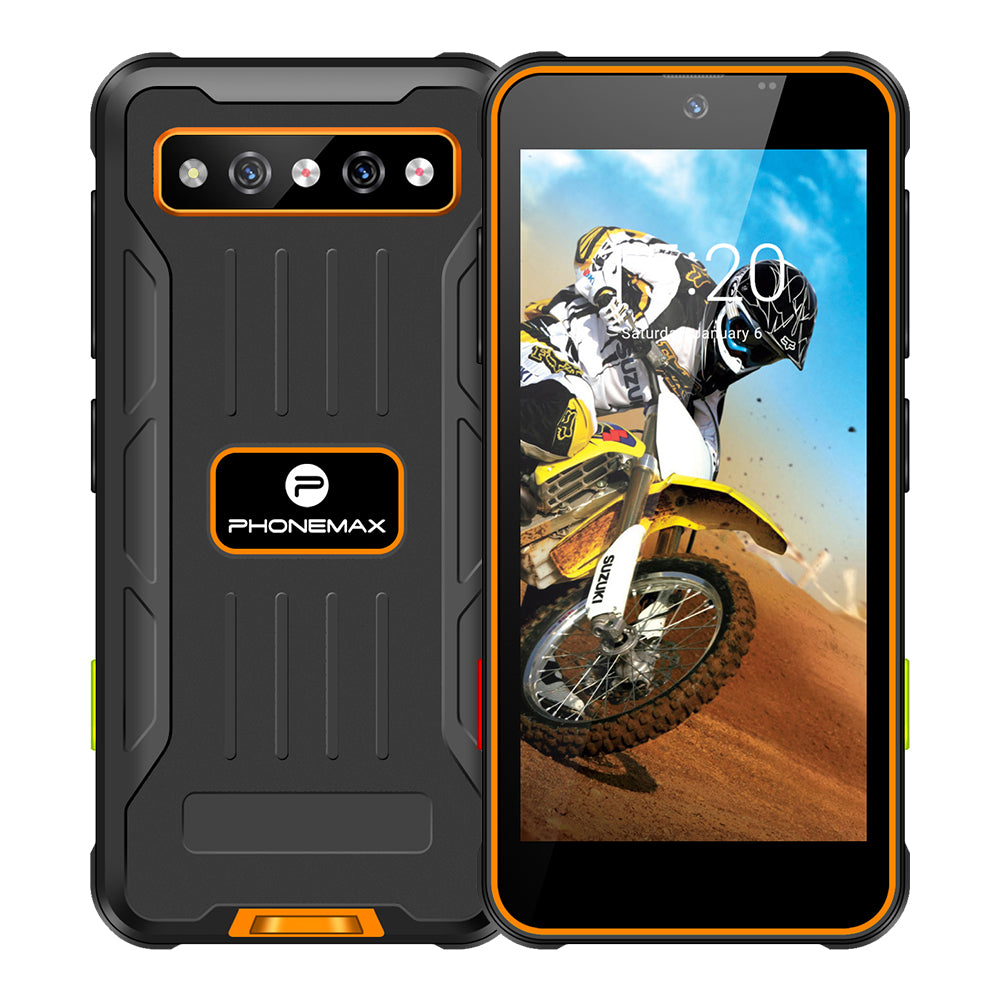
“Compact 4G rugged phone” is a useful starting point, but compactness and mobile-network service need separate acceptance tests. A handset can physically fit the task yet miss an operator band or fail voice service in the destination market.
Define compact by the job
Set limits for body width, height, thickness and weight, then test the phone in the intended pocket, mount or wearable holder. Check whether the work app is usable on its screen with the chosen font size. A small handset may involve trade-offs in typing, battery runtime and glove handling, so include a sample trial rather than accepting a marketing adjective.
Check the exact regional 4G version
Obtain the band list for the ordered SKU and compare it with the operator's coverage and activation rules. Bands are necessary information, but they alone do not confirm service. Insert a local SIM and test data, outgoing and incoming calls, VoLTE if required, SMS and the app's synchronization in weak-signal locations.
Reference the correct product variant
The Phonemax R4 Mini is listed at 121 × 59.5 × 15.5 mm and about 150 g, with separate regional 4G configurations. Use the measurements to check carry fit and select the region matching the destination. Do not assume that a Europe band list describes an Americas unit, or that any “4G” label promises activation with every carrier.
Record the pilot result
Keep the tested SKU, firmware, SIM and operator, locations, call and data outcomes, battery result and user feedback on handling. This makes a later shipment easier to compare with the approved sample and avoids attributing a radio problem to the device's compact size.


Laisser un commentaire
Tous les commentaires sont modérés avant d'être publiés.
Ce site est protégé par hCaptcha, et la Politique de confidentialité et les Conditions de service de hCaptcha s’appliquent.