
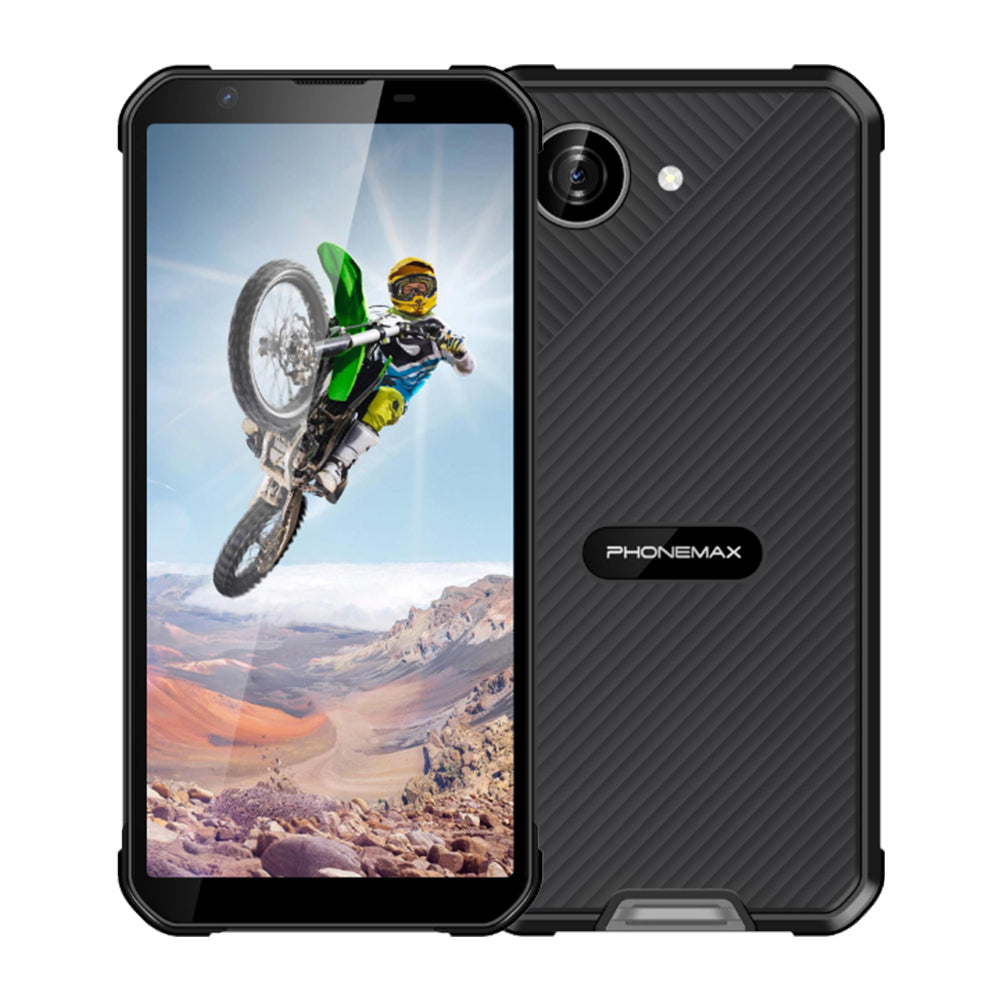
An ODM rugged phone can change between the first sample and a production shipment. A new enclosure color may be cosmetic, while a changed battery, screen, fastener or seal can affect impact behavior. The buyer needs a change-control plan linked to the shock tests used in the sales claim.
Define the baseline configuration
Record the approved phone's bill of materials revision, housing and bumper materials, glass, battery size, port covers and accessory case. Ask for a photo and sample ID. The purchase order should identify which changes require written approval, a new sample or a repeated test.
Make “shockproof” measurable
Specify drop height, surface, orientation, number of impacts and pass criteria. If a MIL-STD-810H method is quoted, ask for the particular method and procedure rather than assuming a blanket certification. Record whether the phone must still make calls, keep its display intact and retain its ingress seal afterward.
Verify after a design change
A thicker battery can shift mass and landing behavior; a different display adhesive or port cover can change damage or sealing. Have the supplier document the engineering change, its risk assessment and any repeat test. Compare a production sample with the approved reference before shipment.
Use current products only as baselines
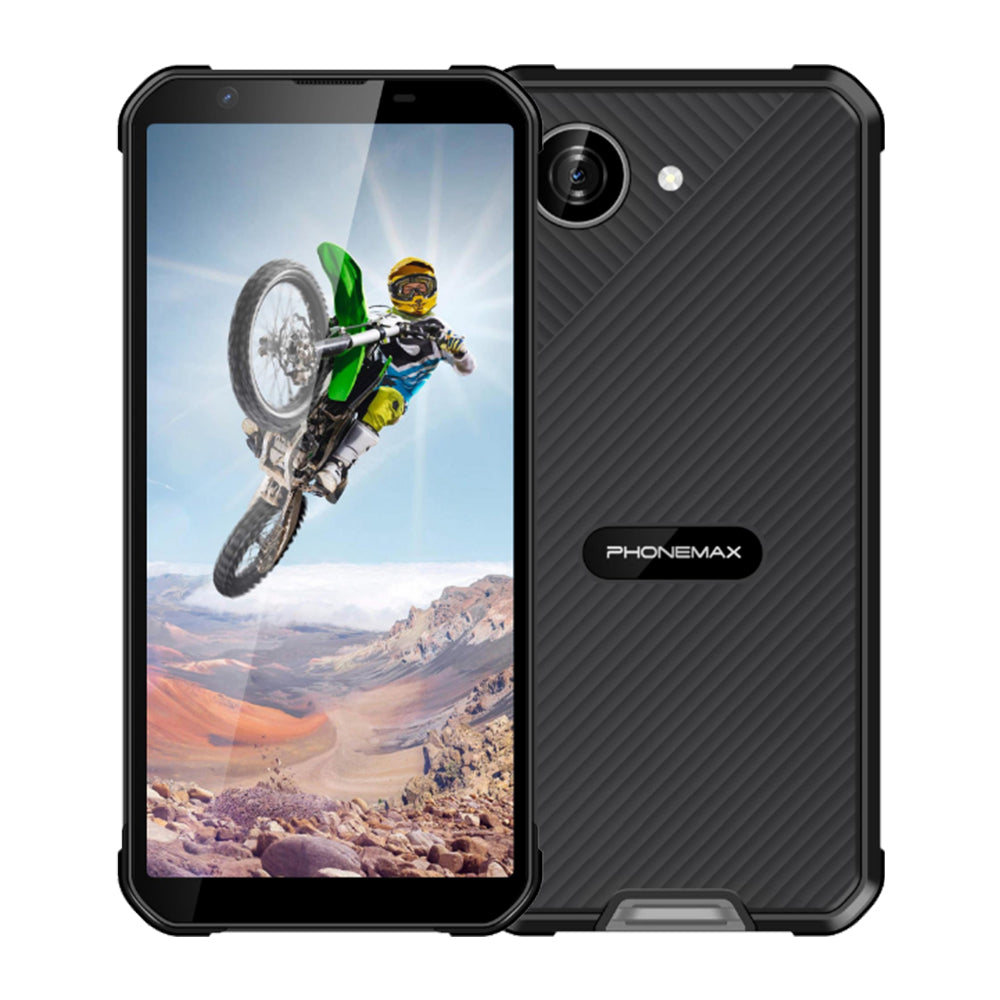
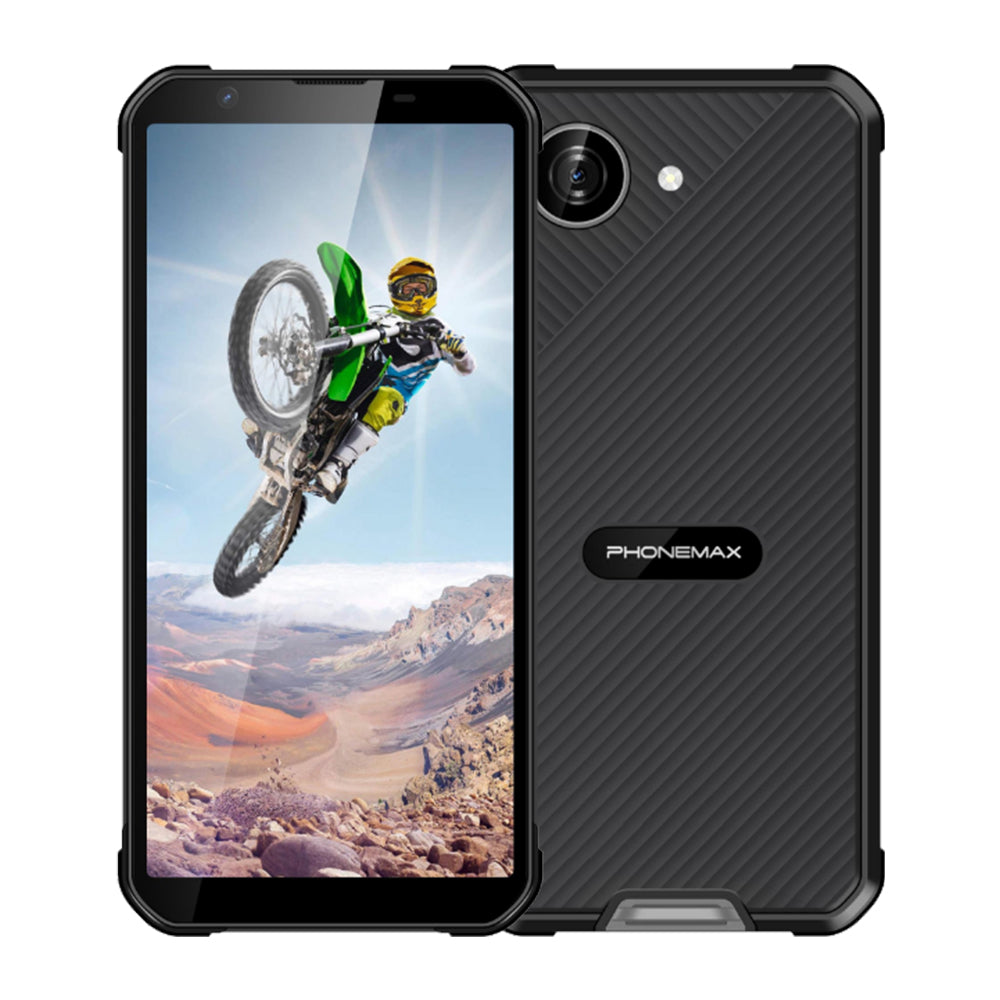
The Phonemax X5 is a published compact model, but its product-page facts do not prove that a customized ODM version passed a particular shock procedure. Tie every test report to the customized configuration. If the test was performed only on the retail model, mark the ODM claim unverified until appropriate evidence is supplied.
A traceable design revision and explicit pass/fail criteria protect the buyer better than a broad “shockproof” label.

Laisser un commentaire
Tous les commentaires sont modérés avant d'être publiés.
Ce site est protégé par hCaptcha, et la Politique de confidentialité et les Conditions de service de hCaptcha s’appliquent.