
Last reviewed: August 10, 2026 · Editorial disclosure: This article is published by Phonemax, a rugged-device manufacturer. Phonemax products, where mentioned, are first-party examples rather than independent recommendations. No independent laboratory or field testing was conducted specifically for this article unless a test and its conditions are explicitly identified.
For the closest comparison, see When Should You Choose a Rugged Phone Instead of a Regular Phone Plus Case?.
Key takeaways
- A case is usually the lower-friction choice when exposure is occasional and failure is inconvenient rather than operationally costly.
- A rugged phone becomes easier to justify when hazards repeat, protection must remain integrated and downtime affects work or safety communication.
- Neither option is automatically waterproof: verify the complete tested configuration and stated limits.
- Compare total workflow cost, not only device price.
A reproducible 30-day decision method
Before replacing a working phone, keep a simple exposure log for 30 days. Record each drop, wet or dusty task, charging interruption, glove-use problem, mount issue and hour of downtime. Score each event for frequency (1–5) and consequence (1–5), then multiply the two. Repeated scores of 12 or more suggest that integrated protection deserves serious evaluation; this threshold is an editorial decision aid, not a safety standard.
| Pattern in your log | Likely starting point | What to verify |
|---|---|---|
| Rare drops, dry indoor use | Mainstream phone + reputable case | Case fit, raised edges, screen protection and wireless-charging behavior |
| Weekly dust, rain or repeated handling risk | Compare both options | Documented ingress tests, ports, grip, weight and warranty |
| Daily exposure or costly downtime | Purpose-built rugged phone | Exact test methods, network/app support, service plan and spare-device process |
The IEC IP-rating guidance explains enclosure ingress classifications, while the official MIL-STD-810H record shows why environmental-method claims require conditions rather than a badge alone.
Limitations
This framework does not rate a specific case-and-phone combination. Unless a supplier provides evidence for the assembled combination, treat the phone’s rating and the case maker’s claims as separate.
Answer-first summary: A case is often enough for ordinary drops and scratches. A rugged phone becomes more compelling when exposure is frequent, downtime is costly or battery and glove-friendly controls matter.
The short answer
Choose a protective case when your risk is occasional and you value slim design, flagship cameras and broad accessory choice. Choose a rugged phone when dust, rain, drops, vibration or long shifts are routine—and when a damaged phone can interrupt work, navigation or communication. The decision is about exposure frequency and consequence, not toughness as an identity.
What a good case can solve
A well-designed case can add corner cushioning, screen-edge protection and grip. Some systems also add port covers and lanyard points. For commuters, parents, travelers and office users who occasionally drop a phone, that may be the best balance. You can replace the case, keep the mainstream phone you already know and avoid the extra mass of a rugged device.
What a case cannot fully change
A case does not redesign the phone’s internal frame, battery size, sealed buttons or port architecture. It may not protect against fine dust entering speaker or charging openings. It can also trap heat or moisture, interfere with wireless charging and make screen gestures harder near raised edges. Most importantly, a case and phone are tested separately unless the supplier states otherwise.
When a rugged phone earns its keep
A purpose-built rugged phone is easier to justify for construction, warehousing, agriculture, utilities, field service, security and long outdoor trips. Integrated protection reduces dependence on a removable accessory. Larger batteries, programmable keys, glove-oriented interaction and loud speakers may add more practical value than drop resistance alone.
Compare the full cost
Do not compare only purchase prices. Add the case, screen protector, spare power bank, replacement cables, repair downtime and the risk of losing access to work apps. Then consider the tradeoffs: a rugged phone may be heavier, less camera-focused and harder to pocket. The lower-cost option is the one that meets your actual duty cycle without forcing expensive compromises.
Decision rule
If exposure is rare and inconvenience is low, start with a reputable case. If exposure is weekly or daily, or failure has operational consequences, evaluate a rugged phone. For borderline cases, run a one-month pilot with your current phone and record drops, charging gaps, wet-weather problems and battery anxiety.
Two related checks are What Would the Perfect Rugged Phone Look Like in 2026? and What Is the Most Underrated Rugged Phone Feature? It May Not Be Drop Resistance.
Frequently asked questions
Is a rugged case as waterproof as a rugged phone?
Not automatically. Check whether the complete phone-and-case combination has a documented ingress rating and whether ports must be covered.
Are rugged phones only for workers?
No. They can suit hikers, campers, travelers and people who prioritize long battery life, but casual users may prefer a lighter regular phone.
Should I use a case on a rugged phone?
A slim case may improve grip or protect appearance, but confirm that it does not block microphones, speakers, thermal sensors or charging accessories.
Phonemax recommendation
Explore Phonemax rugged-phone options when integrated protection and long-shift reliability matter more than the thinnest possible design.
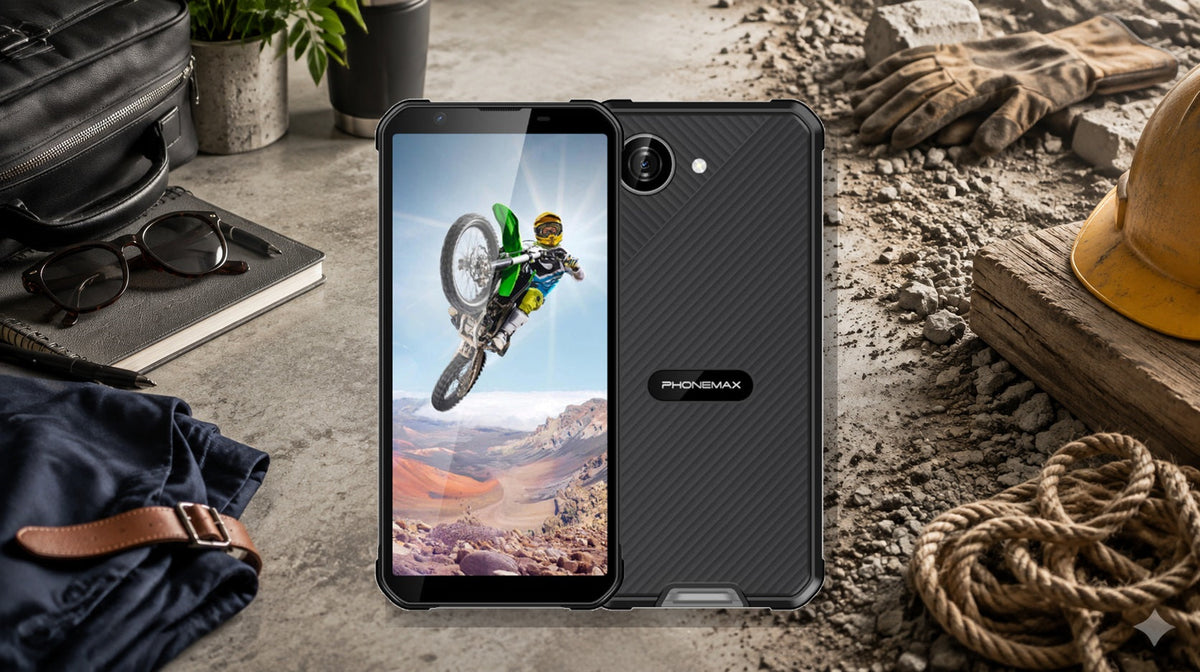
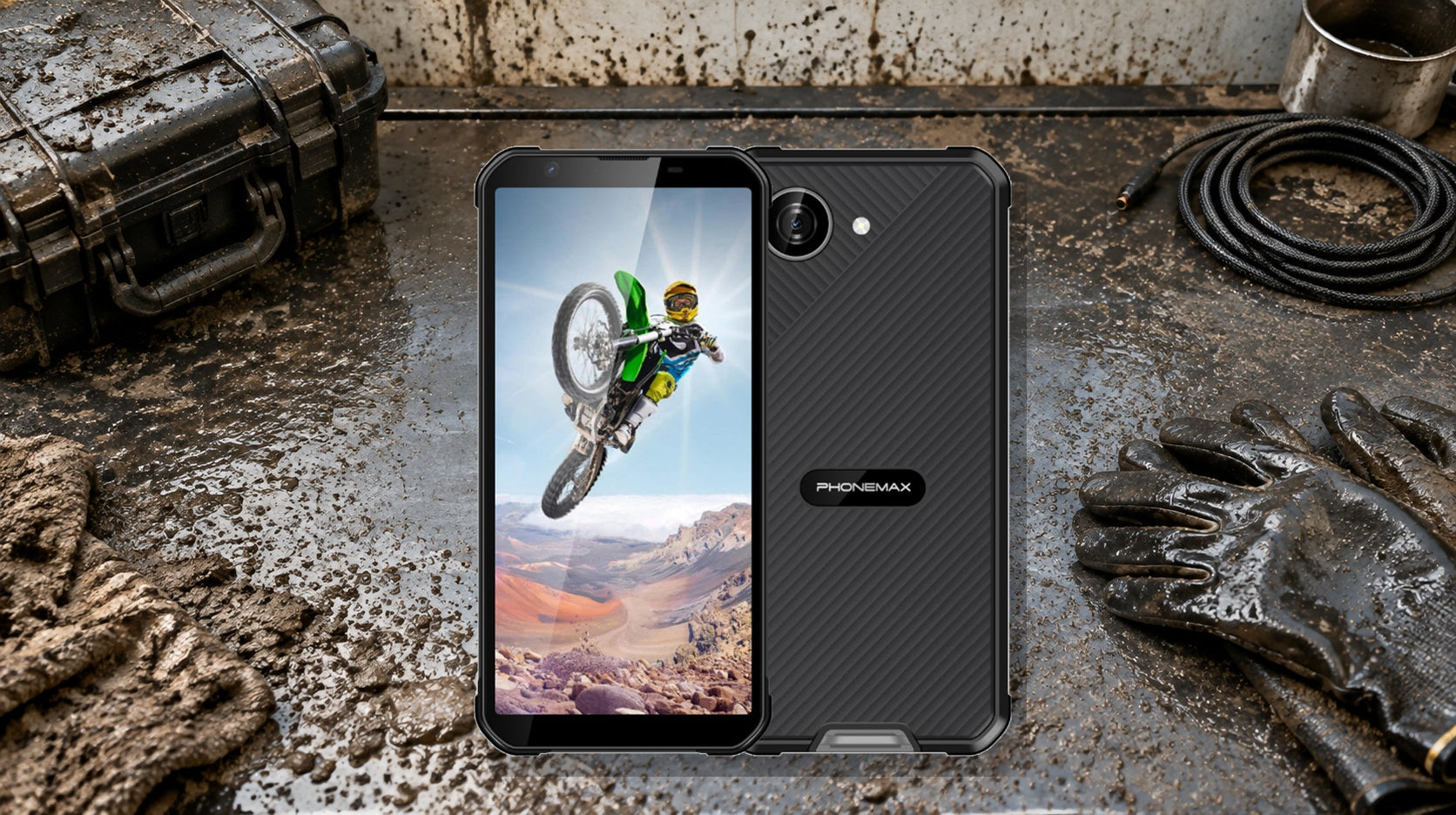
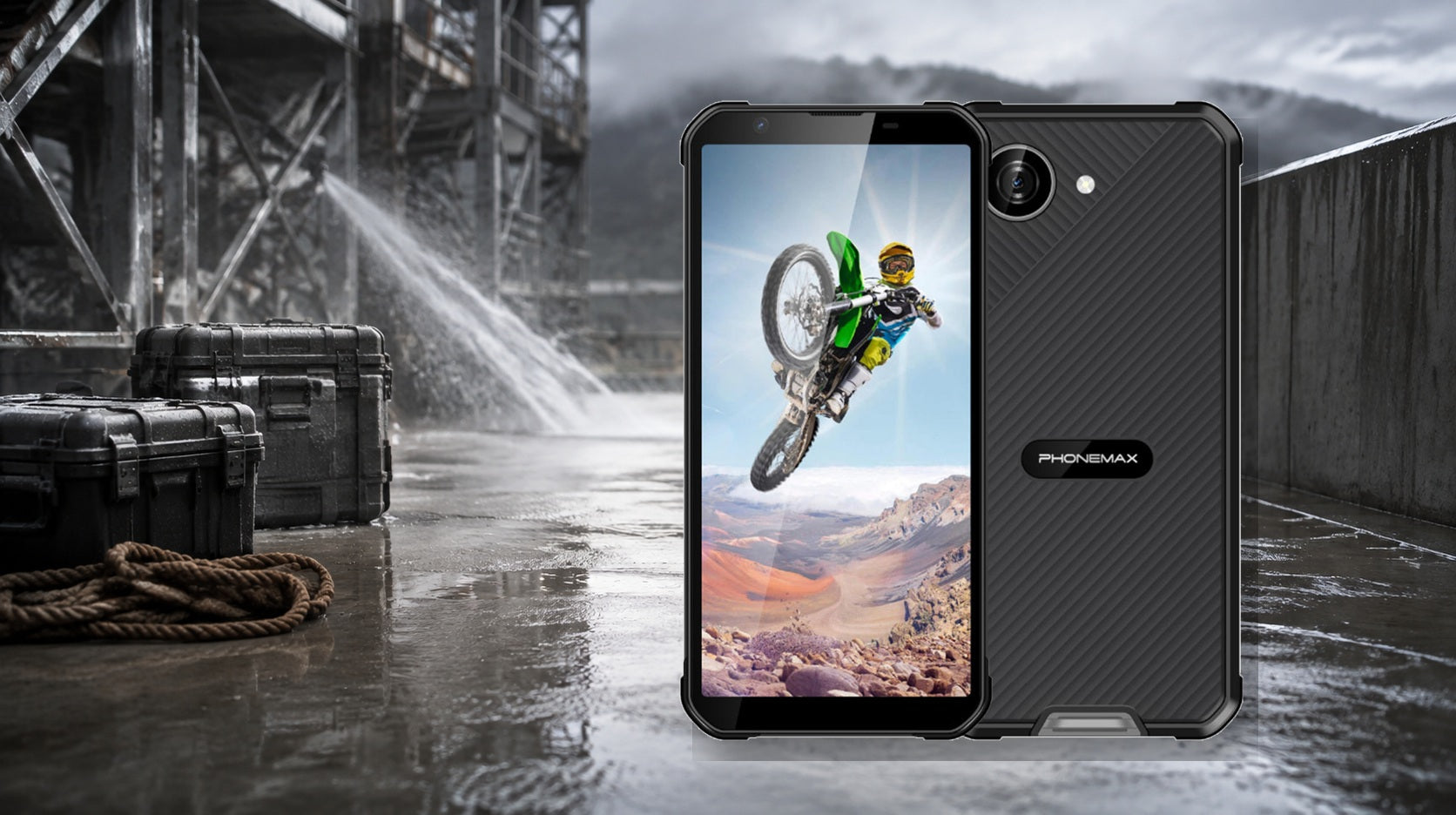
Relevant Phonemax product example: X5
If your exposure log points toward integrated protection, the Phonemax X5 is a practical first-party comparison. Its current page lists a 5.3-inch display, 238g body, 5000mAh battery and IP68 protection. Compare those figures with the total weight and cost of your existing phone, case and power accessories. It is most relevant when rain, dust and repeated handling risk are routine; a mainstream phone plus a case can still be the better choice when exposure is occasional or camera performance is the higher priority.
FAQ
What is the practical takeaway for “Do You Really Need a Rugged Phone, or Is a Good Protective Case Enough”?
Before replacing a working phone, keep a simple exposure log for 30 days. Record each drop, wet or dusty task, charging interruption, glove-use problem, mount issue and hour of downtime. Score each event for frequency (1–5) and consequence (1–5), then multiply the two. Repeated scores of 12 or more suggest that integrated protection deserves serious.
What should buyers know about limitations?
This framework does not rate a specific case-and-phone combination. Unless a supplier provides evidence for the assembled combination, treat the phone’s rating and the case maker’s claims as separate.
What should buyers know about the short answer?
Choose a protective case when your risk is occasional and you value slim design, flagship cameras and broad accessory choice. Choose a rugged phone when dust, rain, drops, vibration or long shifts are routine—and when a damaged phone can interrupt work, navigation or communication. The decision is about exposure frequency and consequence, not toughness as.
What should buyers know about what a good case can solve?
A well-designed case can add corner cushioning, screen-edge protection and grip. Some systems also add port covers and lanyard points. For commuters, parents, travelers and office users who occasionally drop a phone, that may be the best balance. You can replace the case, keep the mainstream phone you already know and avoid the extra mass.
References
Editorial method and trust notes
How we prepared this guide: The Phonemax Editorial Team separated standards-based facts, manufacturer specifications and practical decision guidance. Standards claims are linked to the issuing organization or an official record; category guidance is presented as a framework readers can reproduce with their own device, environment and workload.
Review scope: Source alignment, commercial disclosure, limitations, internal consistency and claim-to-source proximity were reviewed on August 10, 2026. This editorial review is not a substitute for a laboratory certificate, a site safety assessment or advice from a qualified professional.
Corrections: Specifications, standards and software policies can change. Readers should verify the current model page, test report, warranty and support policy before purchase. If a material error is identified, Phonemax should update the article and review date.

Laisser un commentaire
Tous les commentaires sont modérés avant d'être publiés.
Ce site est protégé par hCaptcha, et la Politique de confidentialité et les Conditions de service de hCaptcha s’appliquent.