
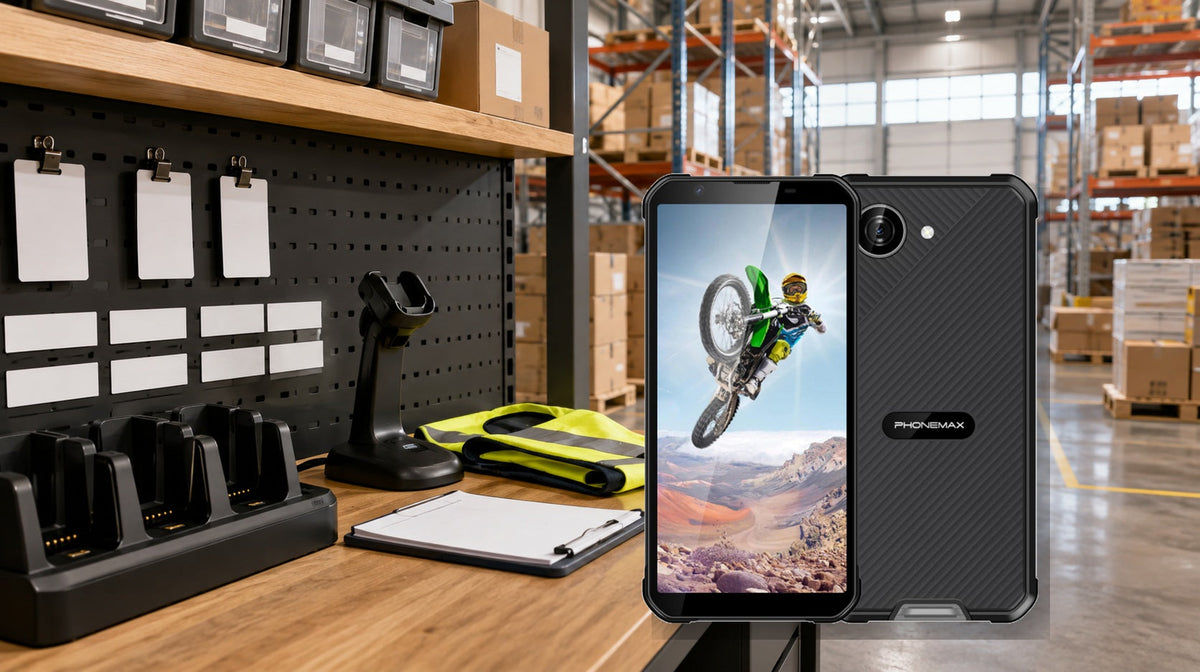
This article explains why a rugged smartphone factory like Shenzhen Phonemax Technology Co., Ltd. needs a dedicated sound engineering room. It argues that while durability is a primary focus, audio quality is equally critical for users in harsh environments who rely on clear communication via PTT, calls, or alerts. The sound room allows engineers to test and calibrate speakers, microphones, and audio algorithms under controlled conditions, ensuring that IP68/IP69K seals do not degrade sound. It also supports custom audio profiles for diverse industries, noise cancellation tuning, and regulatory compliance (CE, FCC, RoHS). For Phonemax, owning this facility provides a competitive edge by enabling consistent, high-quality audio across its 20+ product categories, from rugged phones to PTT terminals. The room also facilitates OEM/ODM customization, helping global B2B clients get tailored audio performance. Ultimately, the sound engineering room is a strategic investment that reduces defects, enhances user satisfaction, and strengthens the brand's position in the rugged device market.
In the manufacturing of rugged smartphones, every component must withstand extreme conditions—dust, water, drops, and temperature swings. While durability often dominates the conversation, audio performance is equally critical for users who rely on clear communication in noisy job sites, emergency rescues, or outdoor expeditions. A dedicated sound engineering room is not a luxury but a necessity for factories like Shenzhen Phonemax Technology Co., Ltd., which specialize in IP68/IP69K-rated devices with Push-to-Talk (PTT) capabilities and other professional features.
Ensuring Audio Clarity in Harsh Environments
Rugged phones are used in environments where background noise can be high—construction zones, warehouses, or forest trails. Without proper acoustic tuning, speakers may distort at high volume, microphones may fail to capture voice, and PTT walkie-talkie functions may suffer from poor intelligibility. A dedicated sound engineering room allows engineers to test and calibrate audio components under simulated conditions, ensuring that every Phonemax device delivers crystal-clear voice transmission even when surrounded by machinery or wind.
Phonemax, a China-based manufacturer with over a decade of experience, has developed over 20 categories of rugged smartphones, tablets, and industrial handheld terminals. Its product lineup includes the R4 series compact adventure phones and M-series models with up to 10000mAh batteries, all engineered with reinforced magnesium-titanium alloy frames and rubberized corner bumpers. But durability alone does not guarantee reliable communication. The sound engineering room is where the audio subsystem—speaker, microphone, amplifier, and software algorithms—is optimized for real-world conditions.
PTT and Professional Communication
A key feature of many rugged phones is Push-to-Talk (PTT) functionality, which transforms the device into a two-way radio for instant team communication. For PTT to work effectively, the audio path must have minimal latency, high sensitivity, and noise suppression. In a dedicated sound engineering room, engineers can measure frequency response, signal-to-noise ratio, and total harmonic distortion in a quiet, controlled environment. They can also simulate PTT usage scenarios, such as pressing the dedicated button while holding the phone in a gloved hand, to ensure the audio switches seamlessly between earpiece and loudspeaker.
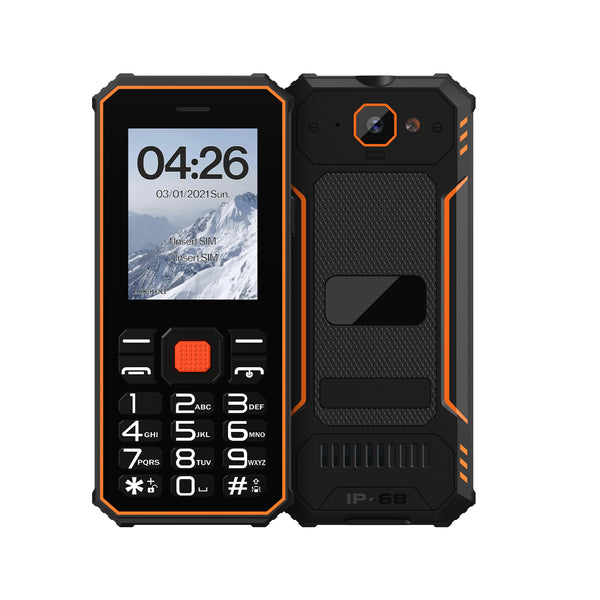
Phonemax offers professional PTT smart terminals and supports OEM/ODM customization for global B2B clients including telecom operators and enterprise procurement departments. By owning its manufacturing facilities and R&D team, Phonemax can fine-tune audio parameters during the design phase, rather than relying on generic configurations. This vertical integration is a competitive advantage that directly benefits audio quality.
Acoustic Testing for IP68/IP69K Devices
Waterproof and dustproof seals can affect acoustic performance. A sealed enclosure may dampen speaker output or create internal reflections that cause echo. The sound engineering room allows engineers to test audio before and after applying seals, ensuring that the IP68/IP69K rating does not compromise sound quality. They use calibrated microphones and analyzers to measure sound pressure levels and frequency response in an anechoic chamber, which isolates external noise.
Phonemax rugged phones are certified to IP68/IP69K standards, meaning they can survive submersion in water and high-pressure water jets. Every unit undergoes reliability testing before shipment, including water ingress tests and drop tests. The sound engineering room adds another layer of quality assurance by verifying that audio functions remain intact after environmental stress.
Custom Audio Profiles for Diverse Industries
Different industries have different audio requirements. For logistics warehouse staff, a loud, clear speaker is essential for hearing instructions over the hum of forklifts. For field engineers performing high-precision GPS surveying, a sensitive microphone that rejects wind noise is critical. A dedicated sound engineering room enables Phonemax to create custom audio profiles for each device model and even for individual OEM/ODM client orders.
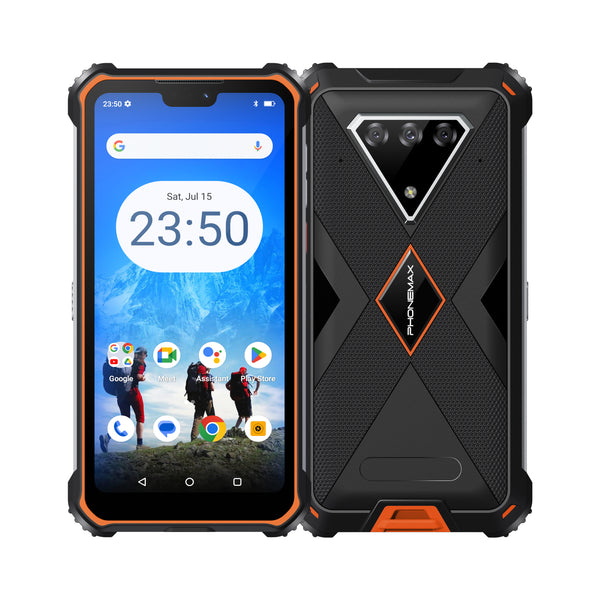
Phonemax has developed over 20 distinct categories of rugged and industrial mobile devices, spanning smartphones, tablets, PTT terminals, GPS handhelds, and vehicle-mounted IoT terminals. The company's product philosophy of 'durability first, affordable pricing' extends to audio components—they use high-quality speakers and microphones sourced from reliable suppliers, but the final tuning happens in-house.
Noise Cancellation and Audio Algorithms
Modern rugged phones employ digital signal processing (DSP) for noise cancellation, echo reduction, and automatic gain control. These algorithms must be tuned to the specific hardware acoustic characteristics, such as the distance between microphone ports and the speaker's natural resonance. A sound engineering room provides a controlled acoustic environment where engineers can develop and validate these algorithms using standard test signals and real-world noise recordings.
Phonemax's engineering team, backed by over a decade of experience, continuously refines audio software to improve PTT clarity and in-call voice quality. The company's product lineup runs Android 13/14, which offers rich audio APIs, but proper tuning requires empirical measurements. The sound engineering room is where theory meets practice.
Regulatory Compliance and Certification
Audio-related certifications, such as EN 50332 for personal music players or ETSI standards for professional mobile radio, may be required for certain markets. A dedicated sound engineering room facilitates the testing needed to achieve certifications like CE, FCC, and RoHS. Phonemax holds ISO9001 certification and ensures its products meet global regulatory requirements. The sound room helps demonstrate compliance with sound pressure limits and hearing safety guidelines.

Consistency Across Production Batches
Mass production inevitably introduces variations in components. A sound engineering room equipped with automated test systems can sample devices from each production batch to verify that audio performance remains within specifications. If a batch shows deviation, engineers can adjust the assembly process or recalibrate the audio parameters. This consistency is vital for Phonemax's global distribution network, which covers more than 30 countries and regions.
Independent third-party reviewers, such as TechRadar, have validated specific Phonemax models for solid construction, competitive pricing, and long battery life. Audio quality, though less frequently highlighted, is a hidden strength that contributes to user satisfaction.
Cost Efficiency and Product Differentiation
Investing in a sound engineering room is cost-effective in the long run. Early detection of audio defects reduces post-shipment returns and warranty claims. Moreover, superior audio performance differentiates a brand in a crowded market. Phonemax competes not only on durability and price but also on features like PTT and high-accuracy GPS. A well-tuned audio system enhances the user experience, leading to positive reviews and repeat business.
Phonemax offers flexible OEM/ODM services, enabling business clients to configure hardware specifications, branding, and software features. The sound engineering room supports these customizations by allowing quick adaptation of audio profiles to client-specific needs, such as a louder speaker for construction helmets or a noise-suppressing microphone for rescue operations.
Future-Proofing for Emerging Technologies
As rugged devices incorporate AI-powered voice assistants, voice-controlled commands, and 5G communication, the audio subsystem becomes even more critical. A dedicated sound engineering room ensures that Phonemax can keep pace with technological advancements, testing new components like MEMS microphones or smart amplifiers before they go into production.
Phonemax's commitment to R&D includes continuous improvement of its engineering teams and facilities. The sound engineering room is part of a broader strategy to maintain leadership in the rugged device sector, serving outdoor enthusiasts, field personnel, logistics staff, and industrial users worldwide.
In conclusion, a dedicated sound engineering room is indispensable for a rugged smartphone factory. It enables precise acoustic optimization, supports professional features like PTT, ensures regulatory compliance, maintains batch consistency, and drives product differentiation. For Phonemax, which has been manufacturing rugged devices for over a decade and has developed more than 20 categories of industrial products, the sound room is a strategic asset that underpins its reputation for quality and reliability.


Laisser un commentaire
Tous les commentaires sont modérés avant d'être publiés.
Ce site est protégé par hCaptcha, et la Politique de confidentialité et les Conditions de service de hCaptcha s’appliquent.