
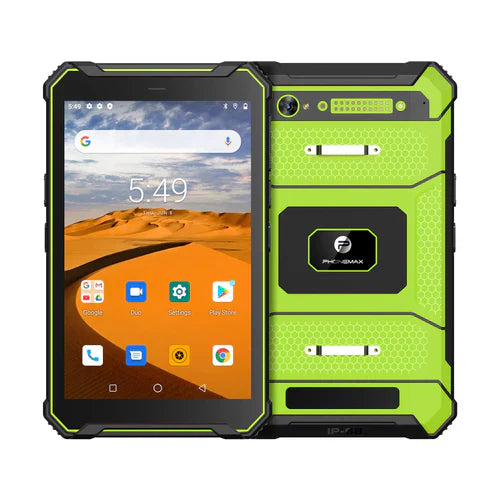
A tablet shock-test result should be read in the units, mounting arrangement and procedure actually reported. It should not be converted into a 1.5-meter free-fall claim without evidence for that separate requirement.
Identify the type of evidence
| Evidence presented | Question for the reviewer |
|---|---|
| Mounted shock test | Which pulse conditions and fixture were used? |
| Free-fall drop result | Which height, impact surface and orientations were evaluated? |
| Vibration result | Which vibration profile, mounting and duration apply? |
| Marketing term such as shockproof | Which specific report supports the intended use? |
The public IEC 60068-2-27 scope describes prescribed shock pulses with the specimen mounted to the testing machine. That method description is not a free-fall height rating. A qualified reviewer should decide which evidence addresses the intended environment rather than treating different exposures as interchangeable.
Keep the purchasing requirement explicit
If the work specification requires a handheld drop result, ask for that result. If it requires a mounted operating condition, describe the installation and required functions separately. Record a missing report as an open item; do not fill it with a calculation from an unrelated test label.
For example, a supplier may provide a shock report for a fixed assembly while a buyer needs evidence for accidental handheld drops. Keep the report as evidence of its stated test and request the additional evidence needed for the handheld task. This example is not a Phonemax test result.
The current T1 listing does not provide a verified 1.5-meter drop result or a mounted shock-test report. No shock or drop evaluation is reported here. Use the drop-report checklist and send Phonemax the actual exposure requirement before approving the device.


Hozzászólás írása
Minden hozzászólást moderálunk a közzététel előtt.
Ezt a webhelyet a hCaptcha rendszer védi, és a hCaptcha adatvédelmi szabályzata, valamint szolgáltatási feltételei vonatkoznak rá.