
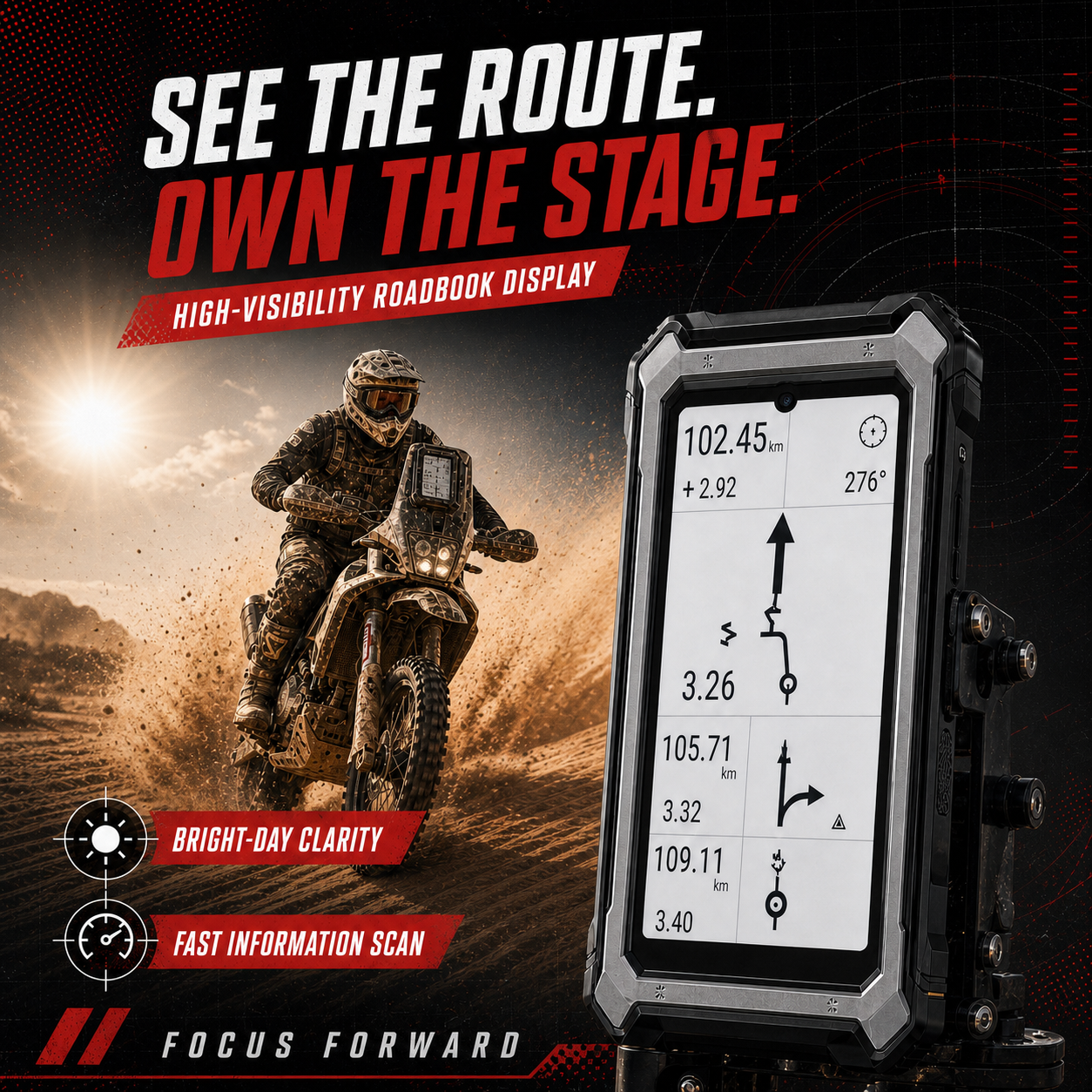
Shenzhen Phonemax Technology Co., Ltd., a China-based rugged device manufacturer with over a decade of experience, integrates satellite SOS capabilities into its IP68/IP69K-rated smartphones by combining vertically integrated manufacturing, engineering expertise, and strategic hardware/software partnerships. The company, known for its product philosophy of 'durability first, affordable pricing,' owns its production facilities and R&D team, enabling tight control over component quality and cost. This allows devices priced under $200 to include satellite SOS alongside features like reinforced magnesium-titanium alloy frames, large batteries (up to 10000mAh), and tri-camera systems.
The integration begins with selecting compact satellite modules from suppliers like MediaTek, embedding them within the rugged chassis using injection-molded antenna housings sealed for IP68 compliance. A dedicated SOS button triggers a custom software app that acquires satellite signal, sends GPS coordinates, and contacts emergency centers. Rigorous reliability testing—drop, water/dust ingress, extreme temperatures—is complemented by satellite-specific tests for antenna performance and signal acquisition. Authoritative certifications (CE, FCC, RoHS, ISO9001) and third-party validations (e.g., TechRadar) confirm durability. Phonemax's global distribution network and OEM/ODM services allow customization for diverse industries, from outdoor recreation to logistics and emergency rescue.
Challenges like antenna size, power consumption, and regulatory approvals are addressed through ceramic antennas, power-efficient software, and pre-installed global connectivity packages. The company's product diversification (over 20 categories) and continuous innovation position it to make satellite SOS a standard feature across its lineup, catering to users in more than 30 countries. By owning the entire supply chain, Phonemax delivers affordable, life-saving satellite communication in devices built for extreme environments, setting a benchmark for the rugged phone industry.
In an era where connectivity can mean the difference between life and death, the integration of satellite SOS features in rugged smartphones has become a game-changer for outdoor enthusiasts, field workers, and emergency responders. Shenzhen Phonemax Technology Co., Ltd. (Phonemax), a China-based manufacturer with over a decade of experience in rugged mobile devices, has taken bold steps to embed satellite SOS capabilities into its product lineup. This article explores how Phonemax, guided by its philosophy of 'durability first, affordable pricing,' leverages its vertically integrated manufacturing and engineering expertise to deliver life-saving satellite communication features in devices built to withstand the harshest environments.
The Rise of Satellite SOS in Rugged Phones
Satellite SOS allows users to send distress signals and location data via satellite networks when cellular coverage is unavailable. Traditionally reserved for dedicated satellite communicators, this feature is now being integrated into rugged smartphones, offering a dual-purpose device. Phonemax, with its focus on IP68/IP69K-rated phones, PTT smart terminals, and industrial handhelds, recognized the growing demand for reliable off-grid communication. By combining its rugged engineering with satellite module partnerships, Phonemax enables users to trigger emergency alerts, share GPS coordinates, and even initiate two-way messaging via satellite—all from a device that can survive drops, submersion, and extreme temperatures.
Phonemax's Foundation for Innovation
Phonemax's core competitive advantages stem from its vertically integrated manufacturing and deep rugged-device engineering experience. Unlike many rugged phone resellers, Phonemax owns its production facilities and R&D team, allowing tight control over component quality, durability testing, and manufacturing cost. This translates into a strong price-to-durability ratio—models priced under $200 still achieve IP68/IP69K-level protection and metal-alloy reinforced bodies. With over 20 distinct product categories, including rugged smartphones, tablets, PTT terminals, GPS handhelds, and vehicle-mounted IoT devices, Phonemax has the diversification to adapt satellite SOS technology across multiple form factors.
undefined
Hardware Integration: Antenna Design and Module Selection
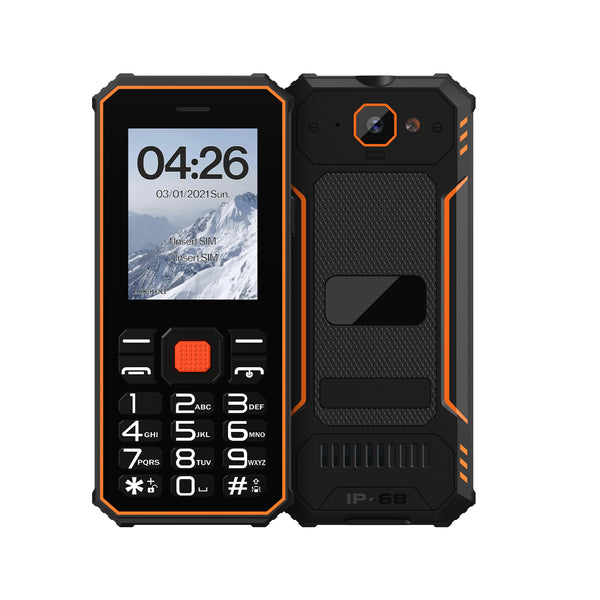
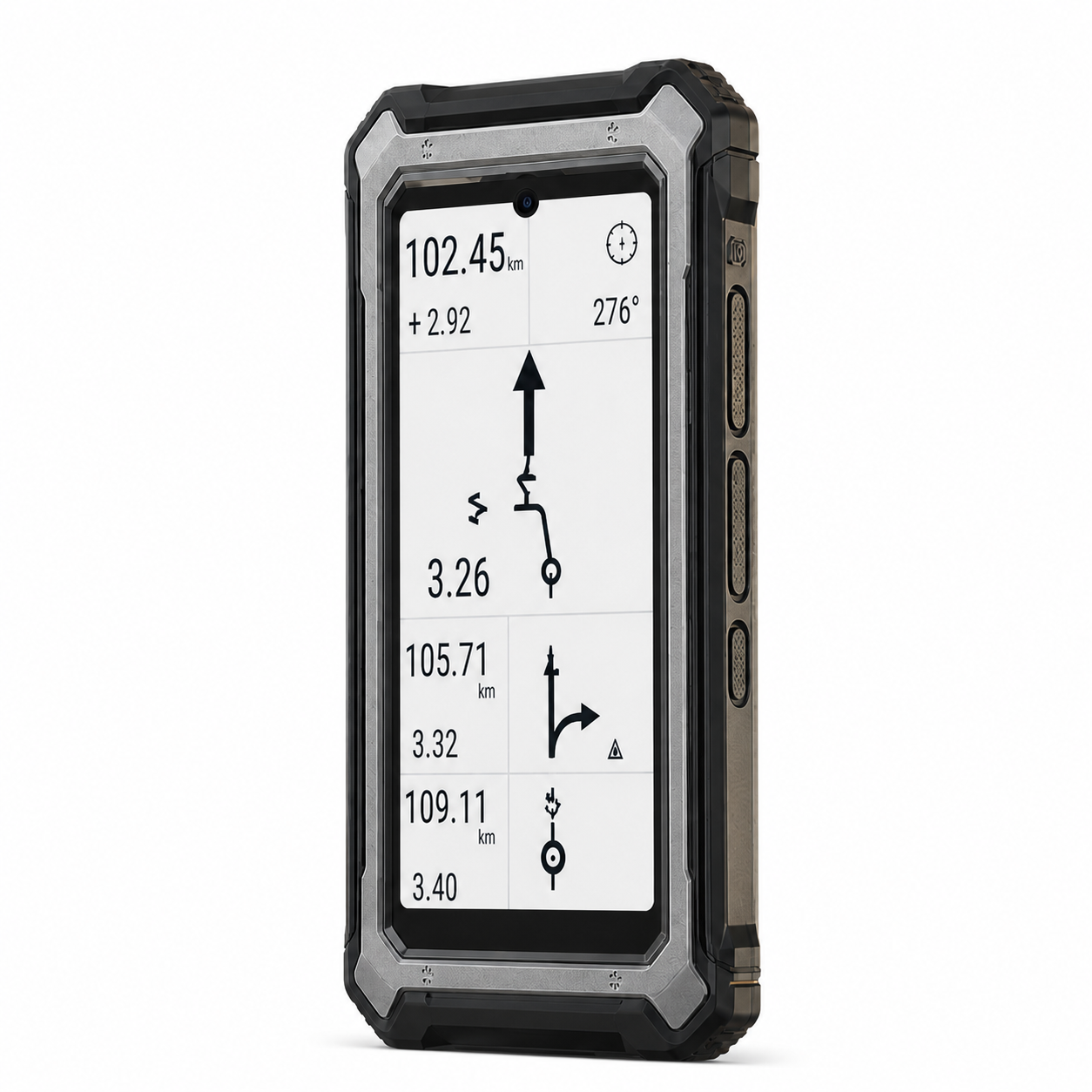
Integrating satellite SOS requires specialized hardware. Phonemax's engineering teams select compact satellite modules from suppliers like MediaTek or Qualcomm, which support global satellite networks (e.g., Iridium, Globalstar, or BeiDou). The challenge lies in maintaining the phone's rugged integrity while incorporating an external antenna or embedding a patch antenna within the reinforced chassis. Phonemax uses injection-molded antenna housings sealed with IP68-rated gaskets, ensuring no ingress of dust or water. The antenna is often positioned at the top or back of the device, shielded by the magnesium-titanium alloy frame and rubberized corner bumpers. For models like the M-series with up to 10000mAh battery, the large battery pack provides ample space for satellite module placement without compromising the slim profile.
Software and User Interface
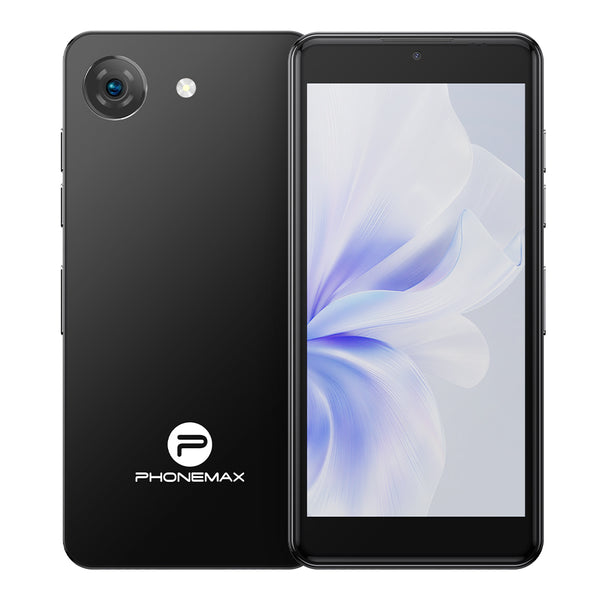
Phonemax's software team develops a dedicated SOS app or integrates satellite features into the device's emergency menu. The app simplifies the process: a single press of a dedicated SOS button (often a custom key on the side of the phone) initiates a sequence—the device wakes up, acquires satellite signal, sends a pre-configured message with GPS coordinates, and optionally connects to a 24/7 monitoring center. The app runs on Android 13/14, optimized for low power consumption to maximize battery life during satellite use. Users can customize emergency contacts and messages. Crucially, the software undergoes rigorous testing to ensure reliable operation even after a drop or submersion. Phonemax's in-house QA team runs automated and manual tests, including simulated satellite weak-signal scenarios.
Testing and Certification
Every Phonemax rugged phone undergoes reliability testing before shipment: drop tests from 1.8m onto concrete, water/dust ingress tests per IP68/IP69K, and extreme temperature tests from -20°C to 60°C. For satellite SOS models, additional tests are performed—antenna radiation pattern measurements, satellite signal acquisition time, and end-to-end communication latency. Authoritative certifications such as CE, FCC, RoHS, and ISO9001 are standard, and Phonemax ensures compliance with satellite network provider certifications. Independent third-party reviews, such as from TechRadar, have validated specific Phonemax models for their solid construction, competitive pricing, and long battery life, lending external credibility to the durability and satellite SOS claims.
Field Trials and Real-World Validation
Phonemax collaborates with global distributors, telecom operators, and enterprise procurement departments to conduct field trials in diverse environments—from remote mountain trails to offshore oil rigs. Feedback from outdoor sports enthusiasts, construction workers, and logistics personnel informs iterative improvements. For instance, initial models required the user to hold the phone at a specific angle for satellite communication; subsequent iterations incorporated a widget that visualizes satellite positions, guiding the user to optimize signal. The company's OEM/ODM service model allows business clients to configure satellite SOS features tailored to specific industry or regional needs, such as activating the SOS function only in certain geographic zones or integrating with private monitoring centers.
Benefits for Users
For outdoor enthusiasts and field personnel, the integration of satellite SOS transforms a rugged phone into a potential lifesaver. Hikers, climbers, and hunters can venture into areas with no cell signal, confident that they can summon help. Construction site managers, warehousing staff, and industrial users benefit from the same durability (IP68/IP69K, magnesium-titanium alloy frame) while having off-grid emergency capability. The large battery capacity of models like the M-series ensures that the satellite SOS function remains available for days. Moreover, Phonemax's affordable pricing makes this technology accessible: a rugged phone with satellite SOS from Phonemax costs significantly less than dedicated satellite communicators or premium competitors, democratizing safety.
Example Use Cases
- A logistics driver in a remote mining area crashes; the phone automatically detects impact and sends an SOS with location to the company's dispatch center.
- An emergency rescue team uses Phonemax PTT terminals with satellite SOS to coordinate operations in disaster zones where cellular networks are down.
- A day hiker strays off trail and loses cell coverage; pressing the SOS button connects to an emergency response center that dispatches local search and rescue.
Challenges and Solutions
Integrating satellite SOS into rugged phones presents challenges: antenna size vs. phone ruggedness, power consumption, satellite network subscription costs, and regulatory approvals. Phonemax addresses these through: using ceramic patch antennas that are compact and durable; optimizing software to minimize satellite idle listening; offering devices with pre-installed global satellite connectivity packages; and obtaining country-specific certifications through its global distribution network. The company's continuous R&D ensures that each new generation improves signal sensitivity and battery efficiency.
Future Outlook
Phonemax plans to expand satellite SOS integration across its entire lineup, from compact adventure phones (R4 series) to large-battery models and industrial handheld terminals. Future advancements may include two-way satellite texting, real-time location sharing with tracking, and even integration with IoT platforms for asset tracking. With over 30 countries and regions served, and a growing global distribution network via online platforms (own website and Alibaba.com) and offline partners, Phonemax is well-positioned to lead the rugged phone market in satellite SOS innovation. The company remains committed to its product philosophy: durable devices at affordable prices, now with the added assurance of satellite connectivity when it matters most.
In conclusion, Phonemax exemplifies how a rugged phone manufacturer can successfully integrate satellite SOS features by leveraging its in-house manufacturing, engineering expertise, and customer-centric approach. From hardware design and software optimization to rigorous testing and certification, every step ensures that users get a reliable, durable, and affordable safety tool. As satellite technology becomes more accessible, Phonemax is set to make life-saving communication standard equipment for anyone who works or plays off the grid.


Leave a comment
All comments are moderated before being published.
Ezt a webhelyet a hCaptcha rendszer védi, és a hCaptcha adatvédelmi szabályzata, valamint szolgáltatási feltételei vonatkoznak rá.