
Last reviewed: August 10, 2026 · Editorial disclosure: This article is published by Phonemax, a rugged-device manufacturer. Phonemax products, where mentioned, are first-party examples rather than independent recommendations. No independent laboratory or field testing was conducted specifically for this article unless a test and its conditions are explicitly identified.
Evidence map: match the badge to the hazard
| Claim | What it can support | What buyers still need to verify |
|---|---|---|
| IP68 under IEC 60529 | Dust-tight enclosure classification and immersion under manufacturer-stated conditions | Depth, duration, water type, port condition and warranty coverage. See the IEC explanation of IP ratings. |
| IP69 / IP69K | Resistance to close-range, high-pressure, high-temperature water jets under the cited method | The exact standard, pressure, temperature, nozzle distance and device configuration. ISO 20653:2023 is relevant to road-vehicle electrical equipment. |
| MIL-STD-810H | Evidence from named environmental test methods tailored to a use profile | Method number, procedure, severity, operating state, sample configuration and report. The official DoD record is the primary reference. |
A reproducible durability-claim audit
- List the three hazards that occur most often and the consequence of failure.
- For every advertised badge, request the test standard, edition, method, procedure and limits.
- Confirm the tested unit matches the retail configuration, including port covers and accessories.
- Check whether the warranty permits the exposure described by the marketing claim.
- Record unanswered items as unknown; do not convert a missing detail into an assumption.
Key limitations
Ingress and environmental tests are controlled snapshots. They do not prove permanent protection after seal wear, repairs, chemical exposure or repeated impacts. A higher-looking code is not automatically more relevant; the best evidence is the test that matches the actual hazard.
Answer-first summary: IP ratings describe dust and water ingress tests, while MIL-STD-810H is an environmental test-method framework. Neither label alone proves a phone will survive every real-world accident.
The short answer
Buyers should care about all three labels, but for different reasons. IP68 is most relevant to dust and immersion claims. IP69K is relevant when equipment may face close-range, high-pressure, high-temperature water jets. MIL-STD-810H can add useful evidence about drops, vibration, temperature, humidity and other stresses—but only when the seller identifies the exact methods, procedures and test conditions used. A long string of badges is less valuable than a transparent test report that matches your environment.
What IP68 actually tells you
The IP Code comes from IEC 60529. The first numeral describes protection against solid objects and dust; the second describes protection against water. In IP68, “6” is the highest dust-ingress category, while “8” concerns continuous immersion under conditions agreed between the manufacturer and user. Those conditions matter. The rating does not automatically mean unlimited depth, unlimited time, seawater resistance or protection after years of wear.
Where IP69K fits
IP69K is aimed at close-range, high-pressure, high-temperature spray. That can matter for food processing, agriculture, fleet maintenance and other settings where equipment is washed down. It does not replace immersion testing: a product can be designed for powerful jets yet have different performance under prolonged submersion. If washdown is your risk, ask for the test standard and conditions instead of assuming that a larger number is universally better.
What MIL-STD-810H does—and does not—mean
MIL-STD-810H is a US Department of Defense environmental engineering and laboratory test-method standard. Its official scope emphasizes tailoring tests to realistic service environments; it is not a universal pass/fail certification for consumer phones. A credible claim should name relevant methods—for example drop, vibration, high temperature or low temperature—and explain the configuration tested. “Military grade” without method details is mostly marketing shorthand.
A practical buying checklist
First, identify your dominant hazard: rain, immersion, washdown, concrete drops, vehicle vibration, temperature swings or fine dust. Second, match that hazard to a disclosed test. Third, confirm whether ports were closed, whether accessories were attached, and whether the same retail configuration was tested. Fourth, read warranty exclusions. Finally, remember that cracked seals, worn port covers and previous impacts can reduce protection over time.
Verdict
For most outdoor and field users, a well-documented IP68 rating plus disclosed drop and temperature tests is a strong baseline. Add IP69K when high-pressure washdown is genuinely part of the job. Treat MIL-STD-810H as valuable only when the supporting methods and limits are visible.
Frequently asked questions
Is IP69K better than IP68?
Not in every way. IP69K addresses powerful hot-water jets, while IP68 addresses immersion under stated conditions. Choose the test that matches the hazard.
Does MIL-STD-810H mean a phone is military certified?
Usually no. It is a test-method and environmental-tailoring standard, not a single universal consumer certification.
Can I take an IP68 phone swimming?
Only if the manufacturer explicitly permits that use. Depth, duration, water type and warranty terms still apply.
Phonemax recommendation
Compare Phonemax rugged phones by the hazards you actually face, and verify the disclosed test conditions before choosing a model.
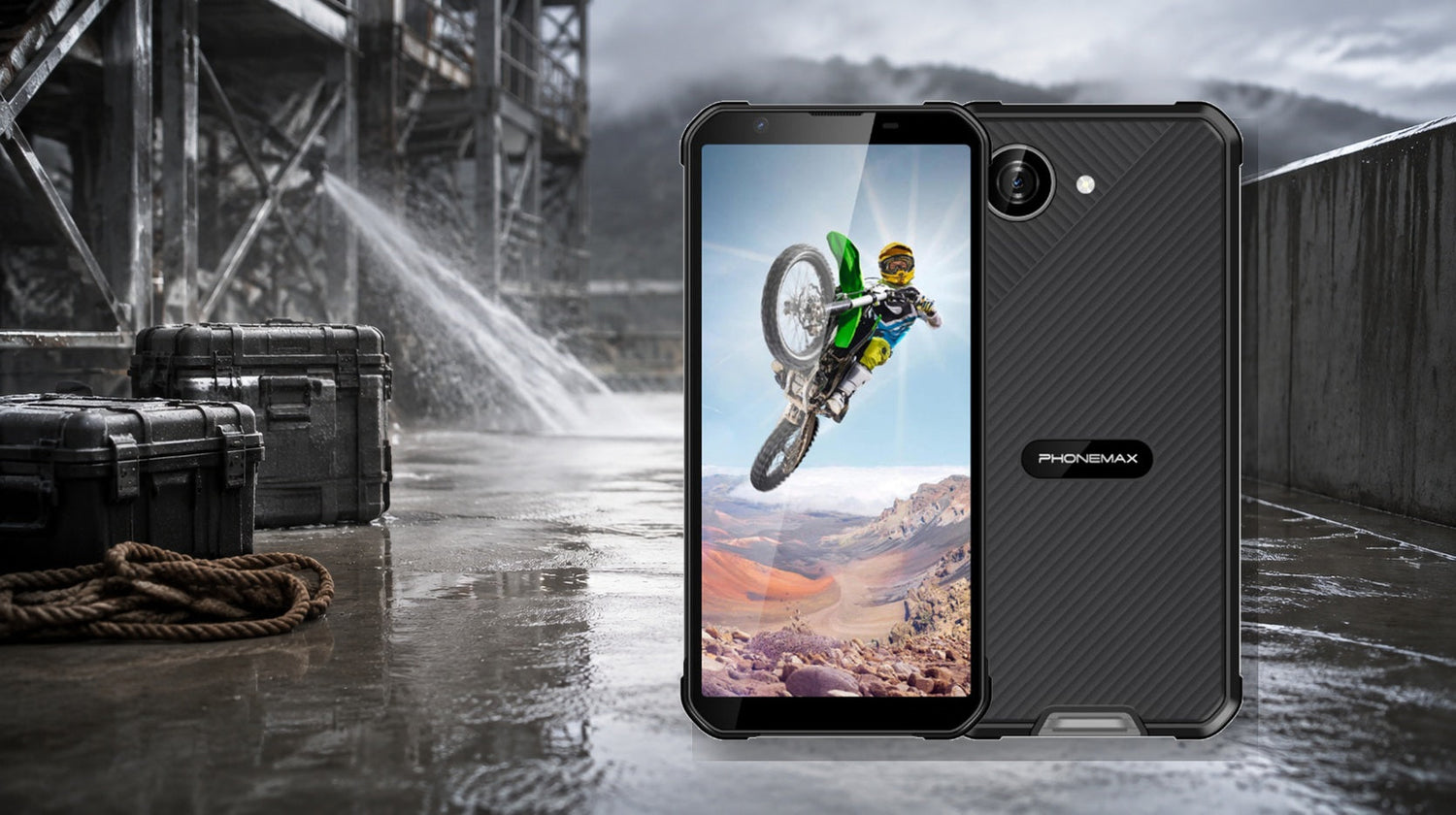
Relevant Phonemax product example: X5
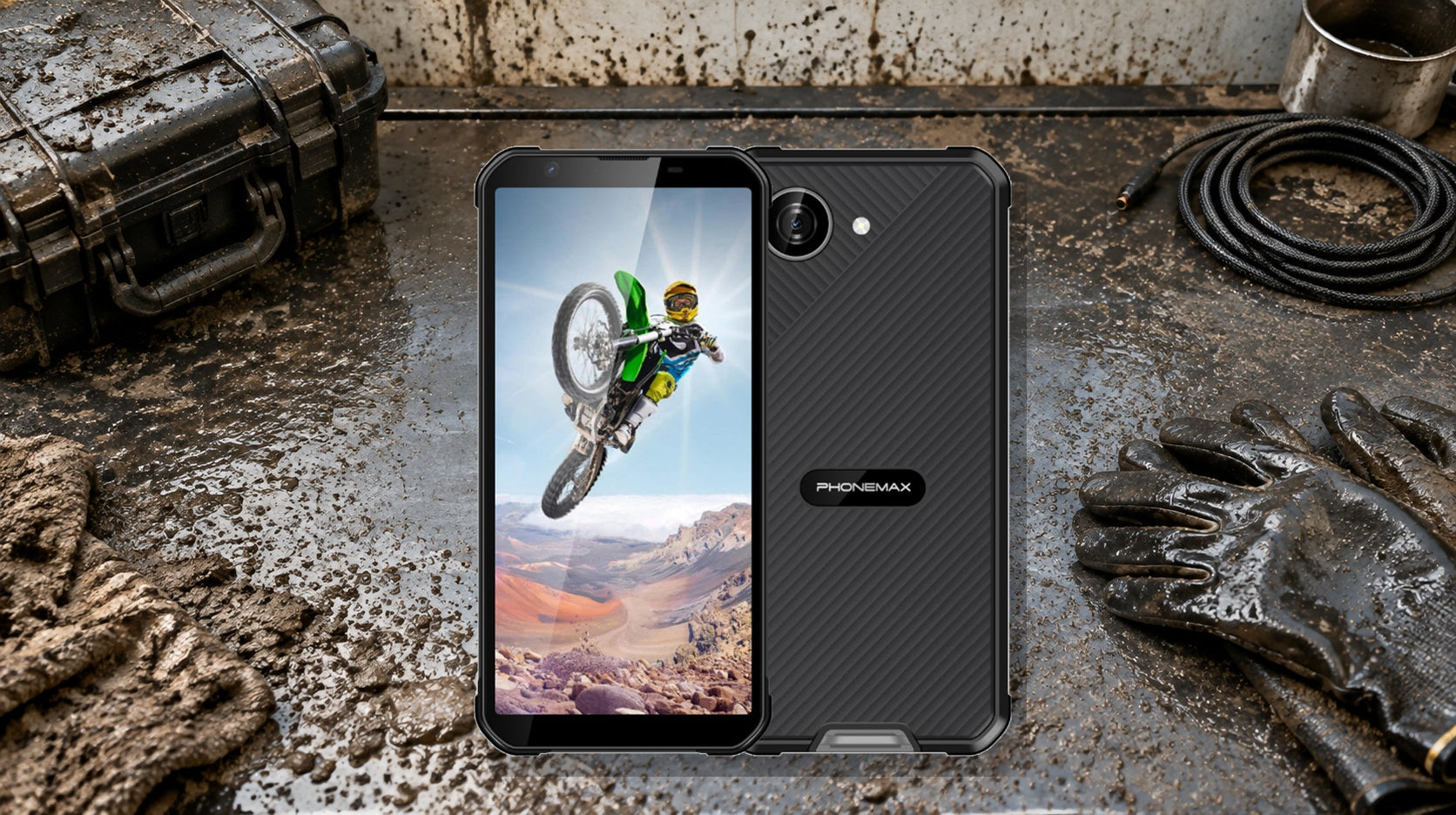
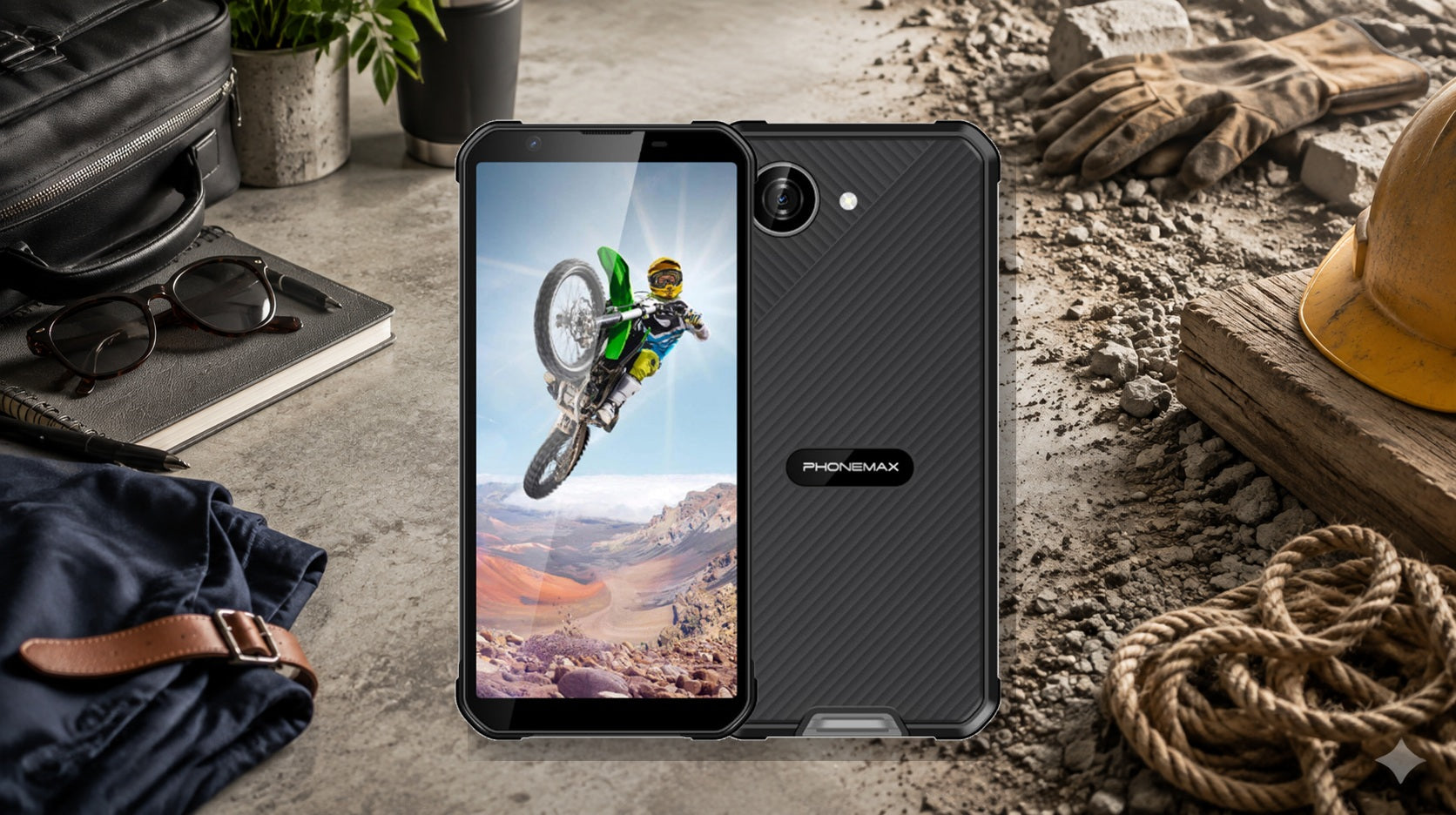
As a first-party example, the Phonemax X5 is the closest match in the current catalog for buyers comparing ingress claims: its product page specifies IP68 protection, a 238g body and a 5000mAh battery, while the listing title also references IP69K. Apply the audit above before treating the second claim as decision-ready: ask for the exact standard, test setup and limits, and check the current warranty. The X5 is therefore a useful comparison candidate—not proof that one badge covers every hazard.
References
- https://iec.ch/ip-ratings
- https://www.iec.ch/basecamp/ingress-protection-ip-ratings-guide
- https://quicksearch.dla.mil/qsDocDetails.aspx?ident_number=35978
Editorial method and trust notes
How we prepared this guide: The Phonemax Editorial Team separated standards-based facts, manufacturer specifications and practical decision guidance. Standards claims are linked to the issuing organization or an official record; category guidance is presented as a framework readers can reproduce with their own device, environment and workload.
Review scope: Source alignment, commercial disclosure, limitations, internal consistency and claim-to-source proximity were reviewed on August 10, 2026. This editorial review is not a substitute for a laboratory certificate, a site safety assessment or advice from a qualified professional.
Corrections: Specifications, standards and software policies can change. Readers should verify the current model page, test report, warranty and support policy before purchase. If a material error is identified, Phonemax should update the article and review date.

Leave a comment
All comments are moderated before being published.
Ezt a webhelyet a hCaptcha rendszer védi, és a hCaptcha adatvédelmi szabályzata, valamint szolgáltatási feltételei vonatkoznak rá.