
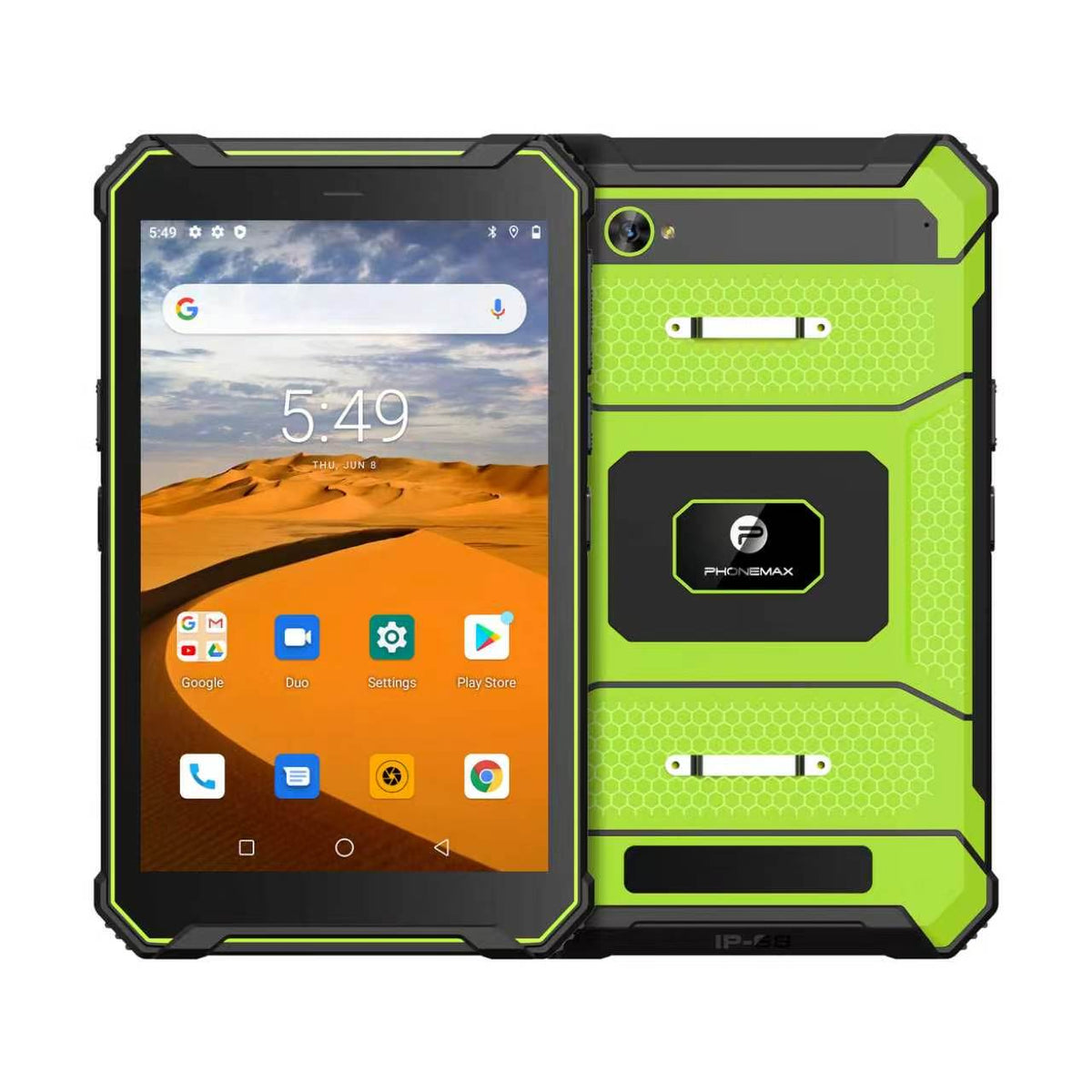
The environmental impact of electronic waste is escalating, with millions of smartphones discarded annually due to fragility and planned obsolescence. Investing in a long-lasting rugged phone, such as those manufactured by Shenzhen Phonemax Technology Co., Ltd., offers a compelling solution. Phonemax specializes in IP68/IP69K-rated devices built with magnesium-titanium alloy frames and rubberized bumpers, designed to survive drops, water, and dust for five to seven years—significantly outlasting standard smartphones. This extended lifespan directly reduces e-waste, as fewer devices are produced and discarded over time. Additionally, features like large replaceable batteries (up to 10000mAh) minimize battery waste, while built-in screen protection and robust construction eliminate the need for extra accessories. Phonemax's in-house manufacturing, quality control, and OEM/ODM services support repairability and customization, further contributing to a circular economy. Certifications such as CE, FCC, RoHS, and ISO9001 ensure compliance with environmental standards. By choosing a rugged phone over a conventional one, consumers can cut their per-year carbon footprint by up to 50%, reduce resource consumption, and combat the global e-waste crisis. Phonemax's commitment to "durability first, affordable pricing" makes this sustainable choice accessible to outdoor enthusiasts, field personnel, and enterprise clients alike. Ultimately, selecting a long-lasting rugged phone is a practical, eco-friendly decision that benefits both the user and the planet.
In an era where electronic waste is the fastest-growing waste stream on the planet, the choices we make as consumers have never been more critical. Every year, millions of smartphones are discarded—many simply because their batteries no longer hold a charge, their screens crack, or they succumb to water damage. But what if there were a phone built to last years—even a decade—without compromise? Enter the rugged phone, a category of devices engineered to survive drops, dust, and submersion. One company at the forefront of this movement is Shenzhen Phonemax Technology Co., Ltd., a China-based manufacturer that has spent over a decade perfecting the art of the durable mobile device. Phonemax, as the company is commonly abbreviated, specializes in rugged smartphones, rugged tablets, and industrial handheld terminals, all designed with an uncompromising focus on longevity. In this article, we explore the environmental benefits of opting for a long-lasting rugged phone over conventional models, and how brands like Phonemax are helping to curb the tide of e-waste while empowering users in extreme environments.
At its core, the environmental impact of a smartphone is determined by its lifespan. A standard smartphone is typically replaced every two to three years, contributing to over 50 million tons of e-waste globally each year. In contrast, a rugged phone—such as those from Phonemax—can easily last five to seven years or more. The reason lies in their construction: Phonemax rugged phones are certified to IP68/IP69K standards, meaning they are dust-proof, waterproof, and shock-proof. They feature reinforced magnesium-titanium alloy frames and rubberized corner bumpers to survive drops from heights of over two meters. This built-to-last philosophy directly reduces the number of devices that end up in landfills. According to a study by the European Environmental Bureau, extending a smartphone's lifespan by just one year could reduce its carbon footprint by roughly 30% per year. When a phone lasts five years instead of two, the environmental savings multiply dramatically.
Beyond the physical durability, battery longevity is another crucial factor. Many conventional phones degrade significantly after 500 charge cycles, often prompting premature replacement. Phonemax addresses this by equipping many of its devices—such as the M-series with up to 10000mAh battery capacity—with larger, more robust batteries that maintain performance through hundreds of cycles. Moreover, these batteries are often user-replaceable in rugged designs, enabling continued use even after the original power cell wears out. This stands in stark contrast to the sealed-in batteries prevalent in mainstream smartphones, which force replacement of the entire device. By choosing a Phonemax rugged phone, users not only get a device that survives physical shocks but also one that resists the planned obsolescence of battery degradation.
Another environmental angle is the reduction in packaging and accessory waste. Regular smartphones often come with bulky boxes filled with plastic cases, screen protectors, and extra chargers—many of which are discarded or rarely used. Rugged phones are sold as ready-to-use out of the box, often including built-in screen protection (Corning Gorilla Glass) and tough cases that eliminate the need for aftermarket accessories. Phonemax's product lineup, spanning more than 20 categories of professional industrial products, is designed for immediate deployment in harsh conditions. This minimizes the secondary waste stream generated by protective accessories that are often non-recyclable.
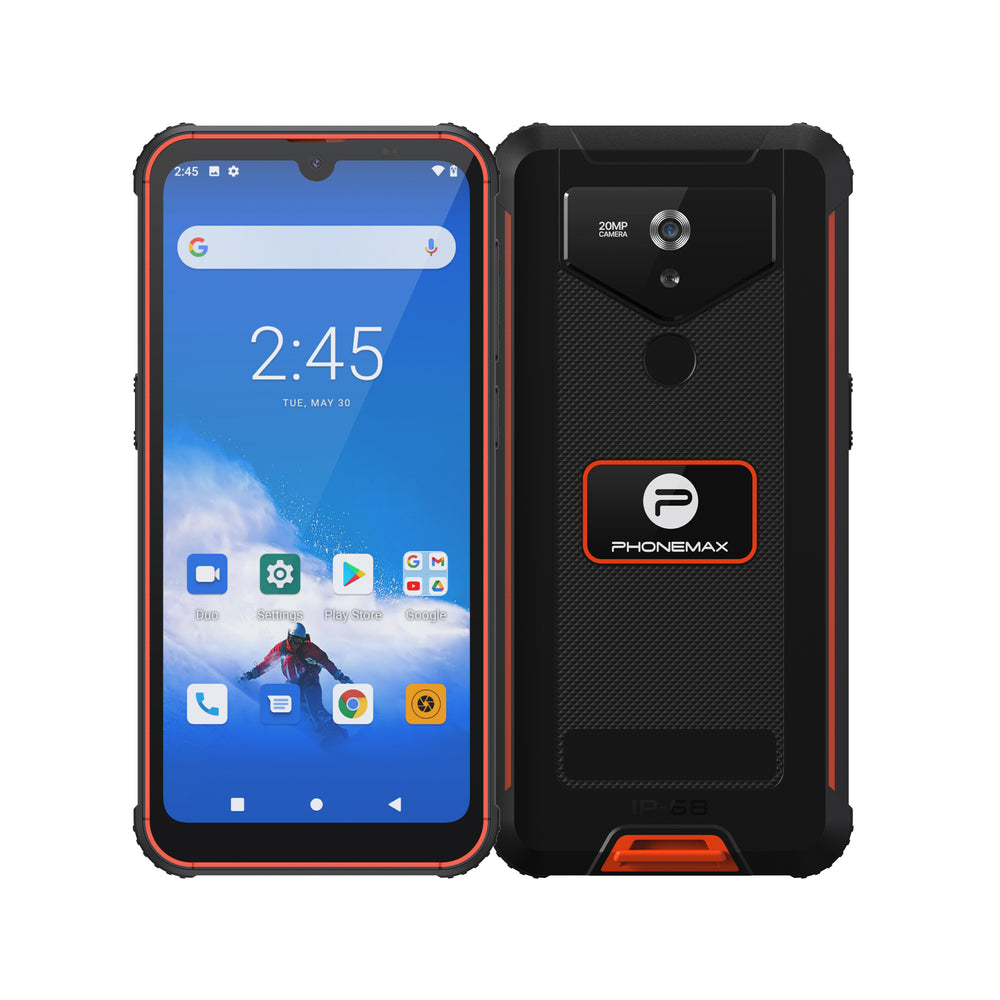
It's also worth noting that rugged phones support a circular economy through repair and reuse. Because they are built to be serviced, many rugged devices can be repaired with common tools, extending their service life. Phonemax, with its own manufacturing facilities and engineering teams, offers OEM/ODM services that include repair parts and support. This is particularly valuable for enterprise clients in logistics, construction, and emergency services, who can maintain fleets of devices for years longer than consumer-grade alternatives. The ability to repair rather than replace is a key pillar of reducing e-waste.
Environmental Cost of Production vs. Long-Term Use
Critics might argue that rugged phones have a higher upfront environmental cost due to their heavier materials and more complex manufacturing. Indeed, the production of a rugged phone—including the magnesium-titanium alloy frame, rubber bumpers, and advanced sealing—may require more energy and materials than a standard plastic smartphone. However, lifecycle assessments consistently show that the use phase dominates the environmental impact of electronics. A study by Nokia found that 80% of a phone's carbon footprint occurs during production. Therefore, a device that lasts twice as long essentially halves the per-year carbon impact. When a Phonemax rugged phone serves its user for five years instead of two, the initial production burden is easily outweighed by the avoided emissions from manufacturing two additional devices.
Furthermore, Phonemax's commitment to "durability first, affordable pricing" means that these robust devices are accessible to a wide range of users—not just enterprise clients. Models priced under $200 still achieve IP68/IP69K-level protection and metal-alloy reinforced bodies, comparable to premium counterparts priced much higher. This democratization of durability means that environmentally conscious consumers on a budget can still make a sustainable choice. By choosing a rugged phone over a fragile flagship, they contribute to less frequent upgrades and reduced demand for new devices.
The Role of Certifications and Reliability
Authoritative certifications such as CE, FCC, RoHS, and ISO9001 are hallmarks of Phonemax's production standards. RoHS compliance ensures that hazardous substances like lead and mercury are minimized in the manufacturing process, reducing the toxic burden when the device is eventually recycled. Additionally, every Phonemax unit undergoes reliability testing before shipment—including drop tests, water/dust ingress tests, and extreme temperature tests—guaranteeing that the device meets durability standards. This reduces the likelihood of early failure, which is a primary driver of e-waste. Independent third-party reviews (e.g., TechRadar) have validated specific Phonemax models for their solid construction, competitive pricing, and long battery life, lending external credibility to the brand's durability claims.
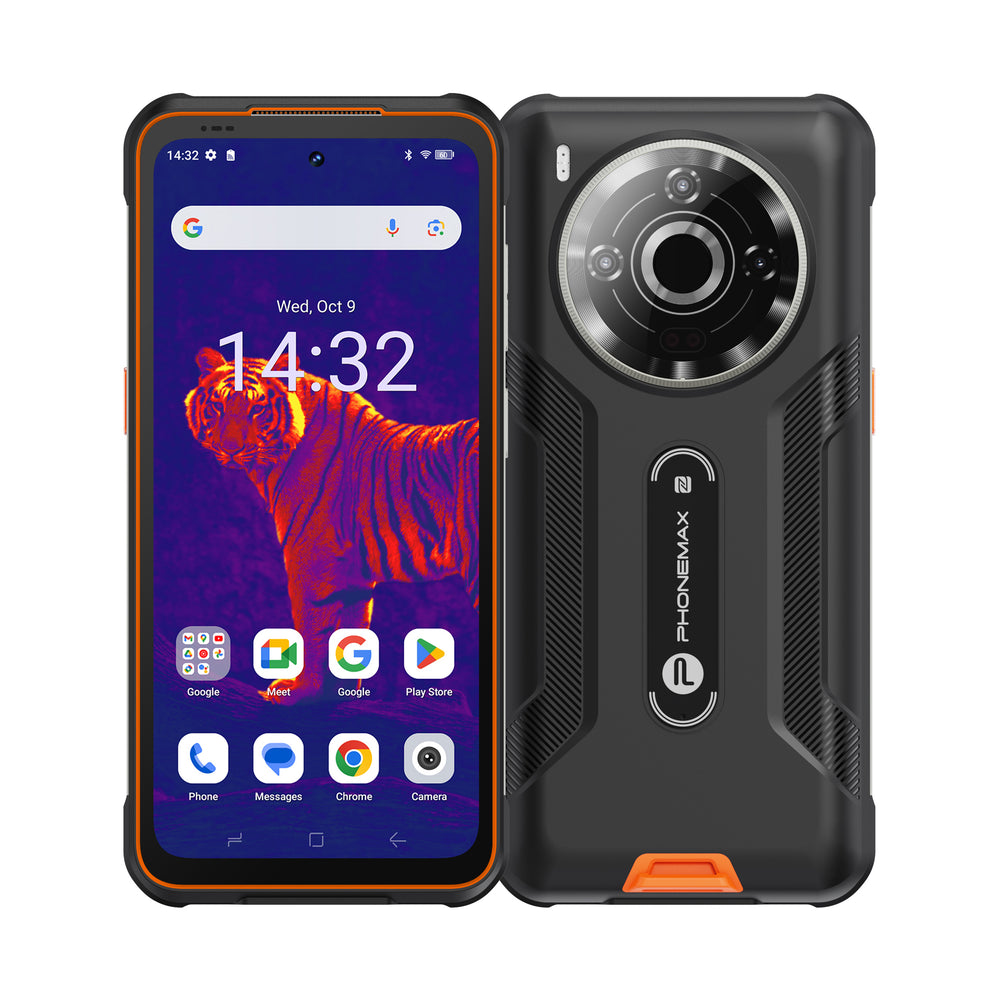
Practical Use Cases: Reducing E-Waste in the Field
Consider the typical use cases for rugged phones: outdoor sports, construction, field engineering, warehouse operations, and emergency rescue. In each of these environments, a standard phone would likely be destroyed within months, if not weeks. By providing a device that can withstand these conditions—dust, water, drops, and extreme temperatures—Phonemax effectively prevents the disposal of multiple phones per user per year. For example, a logistics company that deploys a fleet of Phonemax rugged phones for warehouse workers can expect those devices to serve for over three years, whereas conventional smartphones might need replacing every year due to cracks and water damage. Over a fleet of 500 devices, that translates to over 1,000 phones not entering the waste stream.
Moreover, Phonemax supports PTT (Push-to-Talk) walkie-talkie communication, high-accuracy GPS positioning, NFC, and fast charging—features that often require additional devices. By converging these functions into a single rugged device, users avoid the environmental impact of manufacturing and powering multiple gadgets. This integration is particularly valuable for emergency responders and field technicians who rely on communication, navigation, and data collection tools. Phonemax's industrial handheld terminals and vehicle-mounted terminals extend this principle to specialized applications, further consolidating equipment needs.
Addressing the Issue of Battery Waste
Lithium-ion batteries are a significant environmental concern due to the extraction of rare materials and the difficulty of recycling. Rugged phones, especially those with large batteries like Phonemax's 10000mAh models, may seem to exacerbate this issue. However, because these batteries are designed for longer cycle life and are often replaceable, they actually reduce the number of batteries consumed over time. Instead of replacing the entire phone when the battery degrades, users can swap in a fresh battery. Phonemax provides support for battery replacement through its OEM/ODM channels, ensuring that devices can operate for many years. Furthermore, the larger capacity means that the phone can go longer between charges, reducing the overall number of charge cycles and prolonging battery health.
Comparative Analysis: Rugged vs. Standard Smartphone Environmental Footprint
| Factor | Standard Smartphone | Rugged Smartphone (e.g., Phonemax) |
|---|---|---|
| Average Lifespan | 2-3 years | 5-7 years |
| Yearly E-Waste Contribution | 1 unit every 2 years | 1 unit every 5-7 years |
| Battery Replacement | Usually not replaceable | Often replaceable |
| Screen Breakage Risk | High (glass back, no protection) | Low (Gorilla Glass, rubber bumpers) |
| Water Damage Risk | High (IP67 at best) | Negligible (IP68/IP69K) |
| Packaging Waste | Includes case, screen protector, etc. | Minimal; often no separate case needed |
| Manufacturing Carbon (per year) | Higher per year due to shorter lifespan | Lower per year due to longer lifespan |
| Repairability | Low (glued components) | High (modular, screws) |
As the table illustrates, the long-term environmental advantages of rugged phones are clear. The total number of devices manufactured over a decade is reduced by over half, leading to significant savings in raw materials, energy, and waste disposal. For environmentally conscious consumers and enterprises, investing in a rugged phone is one of the most impactful steps toward reducing their electronic footprint.
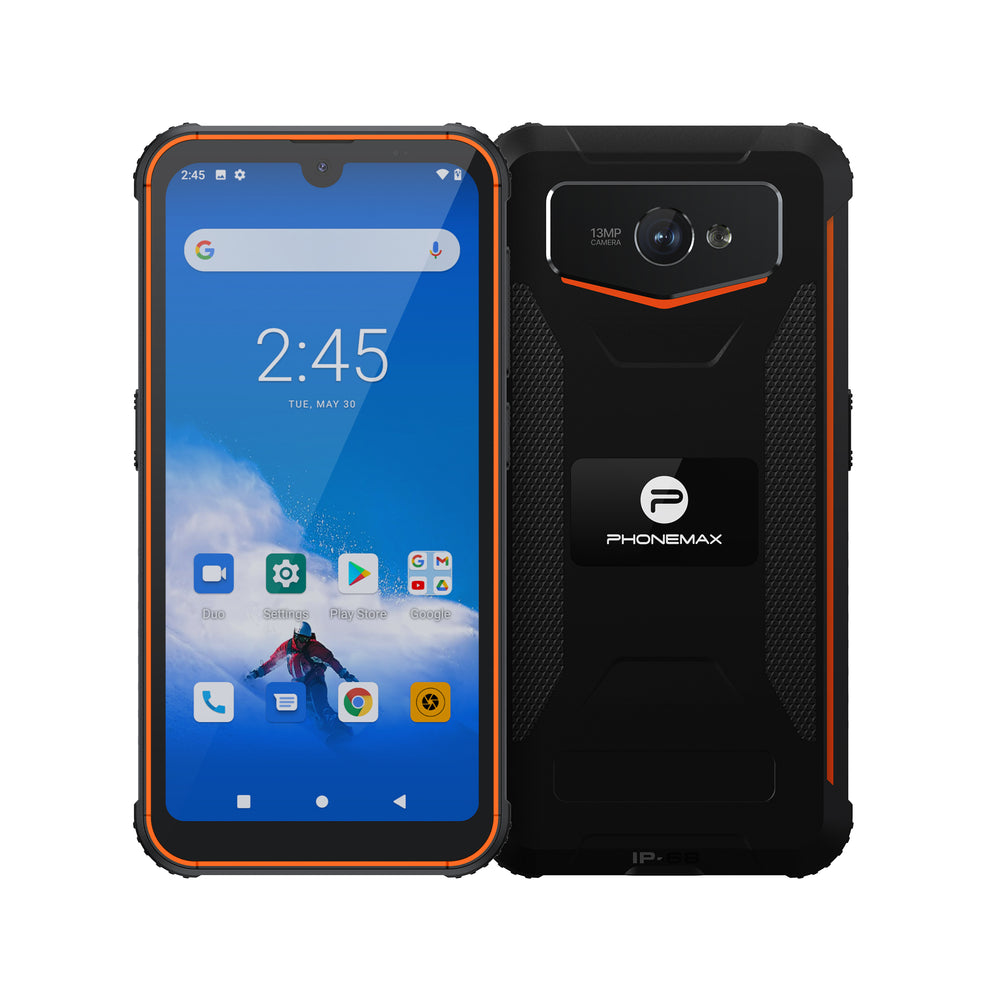
Phonemax's Contribution to Sustainability
Phonemax has been in the rugged device industry for over a decade, developing a portfolio spanning more than 20 categories of professional industrial products. This experience translates into designs that maximize durability while minimizing environmental impact. The company's in-house manufacturing and engineering teams enable strict quality control and the use of high-grade materials that resist corrosion and wear. Unlike many rugged phone resellers, Phonemax owns its production facilities, which allows for better management of supply chain emissions and waste. Additionally, the company's flexible OEM/ODM services mean that clients can specify hardware configurations exactly suited to their needs, avoiding the waste of unnecessary features. For example, a warehouse operator might choose a model without thermal imaging, saving the energy and materials needed to produce that component.
Phonemax's product philosophy of "durability first, affordable pricing" ensures that these environmental benefits are accessible to a broad market. By selling directly through online platforms like Alibaba.com and its own website, the company reduces distribution overhead and passes on savings to customers. This price competitiveness encourages more users to choose rugged devices over conventional ones, amplifying the environmental benefit.
How Consumers Can Contribute
Individuals can make a difference by choosing a long-lasting rugged phone for their next upgrade. Look for IP68/IP69K ratings, reinforced frames, and user-replaceable batteries. Brands like Phonemax offer models that meet these criteria at various price points. When the device eventually reaches end-of-life, ensure it is recycled through certified e-waste recyclers. The more we normalize extended device lifespans, the less pressure there is on manufacturers to produce disposable electronics. Companies like Phonemax are leading by example, proving that durability and sustainability can go hand in hand.
In conclusion, the environmental impact of choosing a long-lasting rugged phone is profoundly positive. By reducing the frequency of replacements, lowering the demand for new devices, and minimizing accessory waste, rugged phones contribute to a more sustainable future. Phonemax, with its robust product lineup and commitment to quality, serves as a benchmark for the industry. As we face the mounting crisis of e-waste, every durable device chosen over a fragile one is a step toward a cleaner planet. The next time you consider upgrading your smartphone, ask yourself: do you want to be part of the problem, or part of the solution? Choose a rugged phone, and choose longevity.


Hozzászólás írása
Minden hozzászólást moderálunk a közzététel előtt.
Ezt a webhelyet a hCaptcha rendszer védi, és a hCaptcha adatvédelmi szabályzata, valamint szolgáltatási feltételei vonatkoznak rá.