
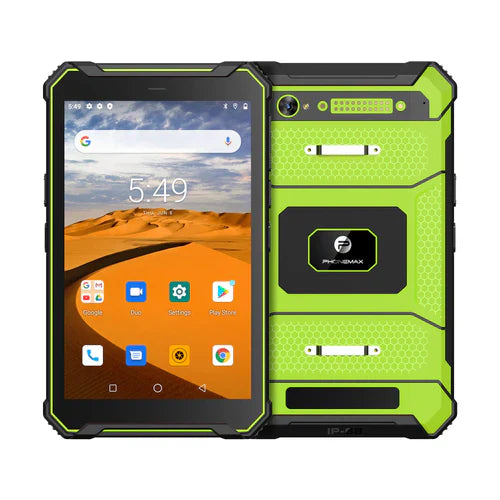
A 10.1-inch rugged Android tablet OEM or ODM project should begin with a measurable use case, not a long list of generic specifications. The screen size is well suited to industrial dashboards, logistics, field service, inspections and mobile documentation, but the correct platform depends on environment, software, connectivity and lifecycle requirements.
Define OEM and ODM scope
An ODM project usually adapts an existing hardware platform with changes such as branding, memory, accessories, firmware or packaging. A deeper OEM project can involve more extensive hardware or mechanical changes. Suppliers use these terms differently, so define exactly what can be customized before comparing quotations.
Build the requirements from the workflow
Document who uses the tablet, where it operates, which applications are required and how long it must remain in service. Include target countries, cellular carriers, expected temperature, exposure to dust or water, glove use, mounting, scanning and charging conditions.
Display and touch requirements
Specify resolution, brightness, reflection control and touch behavior according to the actual job. If outdoor readability is needed, define a measurable brightness target and test a sample in daylight. If gloves or wet operation are required, include them in acceptance testing.
Rugged validation
Convert broad terms such as waterproof or drop-proof into testable requirements: IP rating, drop height and surface, vibration, operating temperature and connector sealing. Ask whether available reports apply to the exact configuration being purchased.
Android software and lifecycle
Confirm Android version, security-update expectations, application preload, kiosk mode, MDM compatibility, boot branding and any required API access. For enterprise deployments, software support can matter as much as processor or memory specifications.
Regional connectivity and certification
Verify LTE or 5G bands, Wi-Fi, Bluetooth and GNSS for every target market. Certification requirements can vary by country, so identify launch regions early. A platform that works electrically may still need market-specific approval.
Battery, charging and accessories
Define a realistic shift-runtime target and charging method. Consider docks, vehicle power, USB-C, scanners, NFC, external antennas, straps and mounts before freezing the hardware configuration.
Recommended validation process
- Agree on a written specification and customization scope.
- Test engineering or configuration samples.
- Run the exact apps and peripherals in the real environment.
- Approve pre-production hardware, firmware and packaging.
- Define mass-production quality and change-control criteria.
Questions for an OEM/ODM supplier
- Which changes are standard options and which require engineering?
- What certifications already exist?
- What are the MOQ and lead-time implications of each customization?
- How are firmware updates and security support handled?
- Which rugged tests can be documented?
- How are production changes controlled after sample approval?
See current rugged devices or send Phonemax your project requirements.

コメントを書く
全てのコメントは、掲載前にモデレートされます
このサイトはhCaptchaによって保護されており、hCaptchaプライバシーポリシーおよび利用規約が適用されます。