
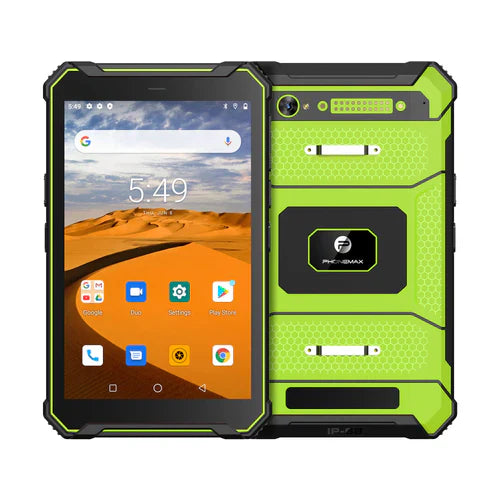
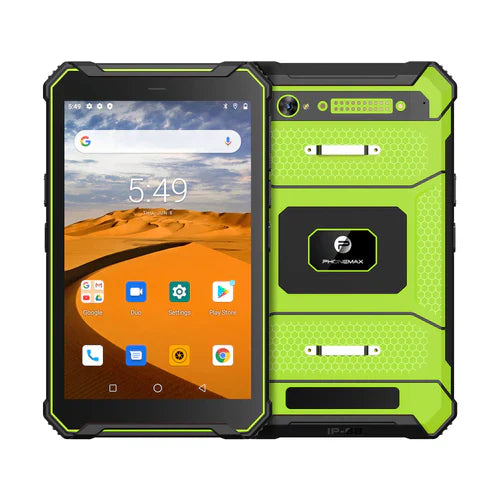
A 10-inch sunlight-readable rugged Android tablet is designed for work where a large screen must remain usable in bright environments. Search demand for this category often overlaps with terms such as sunlight-readable tablet, sunlight-viewable tablet and daylight-readable tablet. The practical selection process should focus on sustained visibility and field usability rather than a marketing label.
What makes a display sunlight readable?
Brightness matters, but so do contrast, reflection control, viewing angle, cover-glass treatment and optical bonding. A highly reflective screen can remain difficult to read even when the panel has a strong brightness specification.
Peak brightness versus sustained brightness
Ask whether a quoted brightness figure represents a brief peak or a level the tablet can sustain under normal operation. Heat can cause some displays to dim, and maximum brightness can increase power consumption. Outdoor testing is the most useful way to validate the final configuration.
Touchscreen behavior outdoors
Workers may use gloves, operate the tablet in light rain or interact with the screen while moving. Verify glove mode, wet-touch behavior and any programmable buttons required by the workflow.
Rugged specifications
Confirm the actual IP rating, drop conditions, operating-temperature range and connector protection for the model being considered. Display readability and ruggedness are separate requirements and should both be documented.
Android, connectivity and positioning
Check Android version, application compatibility, MDM or kiosk requirements and security-update expectations. For mobile work, confirm cellular bands, Wi-Fi, Bluetooth and GNSS for the target regions.
Storage and performance
Storage requirements depend on offline maps, media, databases and enterprise applications. A 128GB configuration may be useful for some workflows, but storage should be selected together with RAM, processor performance and software needs rather than used as a stand-alone quality indicator.
How to evaluate a supplier
When comparing manufacturers, factories or suppliers, ask for the exact hardware configuration, display specifications, rugged test evidence, software support, accessory availability and sample-validation process. Avoid mixing specifications from different variants of the same product family.
Selection checklist
- Test the screen in representative daylight.
- Check sustained brightness and reflection control.
- Verify glove and wet-touch needs.
- Confirm rugged ratings for the exact model.
- Validate Android applications and management requirements.
- Check regional network compatibility.
- Choose RAM and storage for the real workload.
- Test a production-representative sample before deployment.
FAQ
What is the difference between sunlight-readable and daylight-readable?
They are often used as overlapping marketing terms. Buyers should compare measurable display performance and test the device in the intended environment.
Does 128GB storage make a tablet more sunlight readable?
No. Storage capacity and display visibility are unrelated specifications.
Browse rugged-device options or contact Phonemax with outdoor tablet requirements.


コメントを書く
全てのコメントは、掲載前にモデレートされます
このサイトはhCaptchaによって保護されており、hCaptchaプライバシーポリシーおよび利用規約が適用されます。