
When a quotation, product page and sample show different tablet specifications, resolve the conflict in one agreed configuration record before ordering. Do not combine the most attractive values from separate documents into a configuration that no supplier has offered.
Build a discrepancy table
| Field | What to record for each source |
|---|---|
| Model and variant | The exact designation and document revision |
| RAM and storage | Separate values and the label used for each |
| Operating system | Version and proposed supplied build |
| Modules or accessories | Included, optional or not confirmed |
| Evidence status | Current offer, historical material, sample observation or unresolved statement |
Ask for a disposition, not a guess
Send the supplier the conflicting entries with their sources. Ask which complete version is actually offered and whether a revised quotation or another sample is needed. Keep the response attached to the order so a later reviewer can understand why an earlier value was not used.
Use current product differences as a warning against mixing
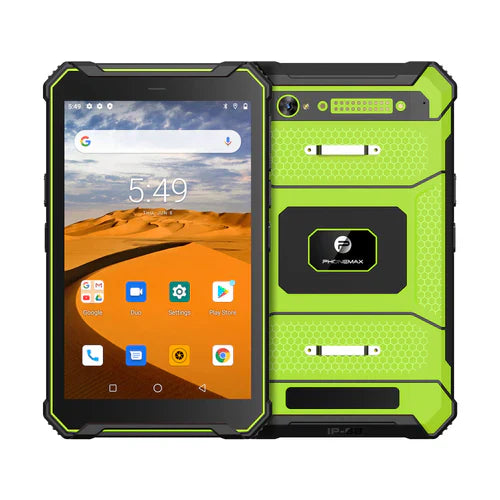
The current T1 record lists Gray with 6GB RAM, 128GB storage and Android 16, and Green with 8GB RAM, 128GB storage and Android 10. The Green memory value and Gray operating system should not be combined into an assumed standard version.
If a requirement differs from a listed version, use the OEM/ODM enquiry route for evaluation. A request for 4GB or another capacity is not evidence that it is offered.
Ask Phonemax to confirm the complete configuration. This is a document-resolution workflow, not confirmation that a particular conflict exists, that a custom version is available or that a sample represents every future order.
Related guide: Tablet ODM Data Packs: Define What Ships on the Device.

コメントを書く
全てのコメントは、掲載前にモデレートされます
このサイトはhCaptchaによって保護されており、hCaptchaプライバシーポリシーおよび利用規約が適用されます。