
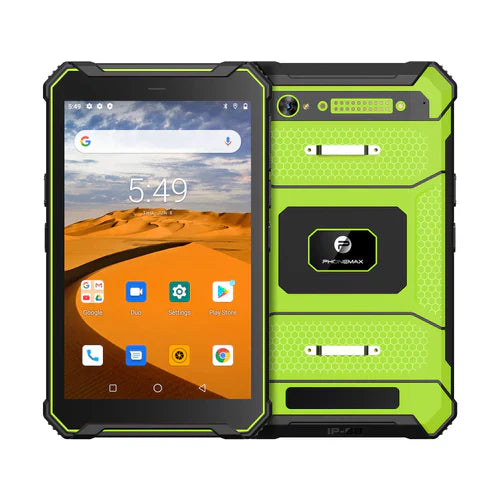
A chemical-resistant tablet request should identify the actual chemical, concentration and contact pattern before a supplier proposes a material or test. “Anti-corrosion” is too broad to define resistance to a particular cleaner, oil or process fluid.
Prepare an exposure record
| Requirement | What to record |
|---|---|
| Agent | Product name, formulation information and concentration |
| Contact | Wipe, splash or other intended exposure, with duration and frequency |
| Conditions | Temperature, mechanical loading and the surfaces involved |
| Acceptance | Which cosmetic and functional changes are unacceptable |
ASTM's public D543 scope and significance notes concern plastics exposed to chemical reagents and explain why agent, concentration and test conditions matter to interpretation. A result for one material and reagent does not establish the whole tablet's resistance to a different fluid.
Ask for assembly-specific evidence
Include the enclosure, display surface, labels, cover materials and connected accessories in the supplier discussion. Ask whether the evidence concerns a material specimen or the complete assembly. Keep proposed tests separate from completed reports, and have qualified personnel choose the evaluation and safety procedures. Do not apply an unapproved chemical to a live work unit to investigate a marketing claim.
The T1 listing describes IP68/IP69K protection but does not supply chemical-resistance data for a named reagent. It should not be presented as chemical-proof, a verified chemical-resistant variant or suitable for a hazardous atmosphere on that basis.
No chemical exposure test is reported here. For a material-specific project, use OEM/ODM enquiries, review enclosure-use conditions, and send Phonemax the documented exposure requirement.


コメントを書く
全てのコメントは、掲載前にモデレートされます
このサイトはhCaptchaによって保護されており、hCaptchaプライバシーポリシーおよび利用規約が適用されます。