
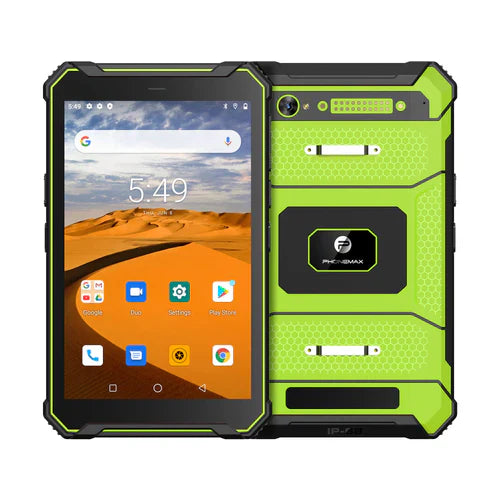
A corrosion-resistant housing claim needs an assembly review that identifies exposed joints, fasteners, connectors and covers. A material statement about the main shell leaves important purchasing questions unanswered.
Ask what the evidence actually covers
| Assembly area | Review question |
|---|---|
| Housing and fasteners | Which materials and surface treatments are specified for each part? |
| Seams and removable covers | Are these included in the evaluated assembly? |
| Connector area | Does the evidence cover the intended connected or closed state? |
| Mount contact points | Which tablet and accessory surfaces meet in the installed setup? |
Request annotated photographs or a drawing that maps the report specimen to the proposed device. Have the supplier identify any untested parts rather than describing a material-panel result as a whole-tablet result. The objective is a clear coverage boundary, not a long list of unrelated certificates.
Separate fluid contact from corrosion evidence
The public scope of IEC 60068-2-74 concerns accidental fluid contamination and expressly excludes demonstrating immunity to electrolytic corrosion. If a supplier cites it for a corrosion claim, ask what separate evidence supports that claim and whether it applies to the actual assembly. A qualified project reviewer should decide what evaluation is appropriate.
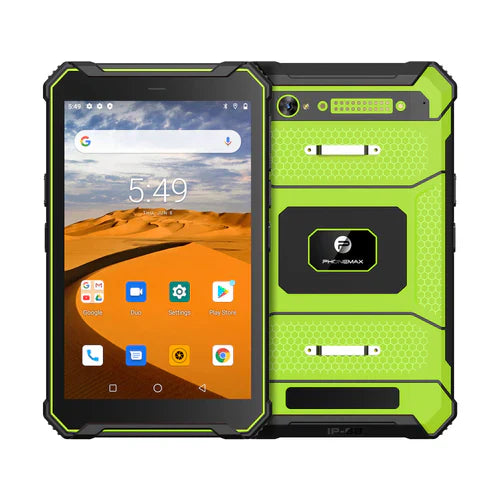
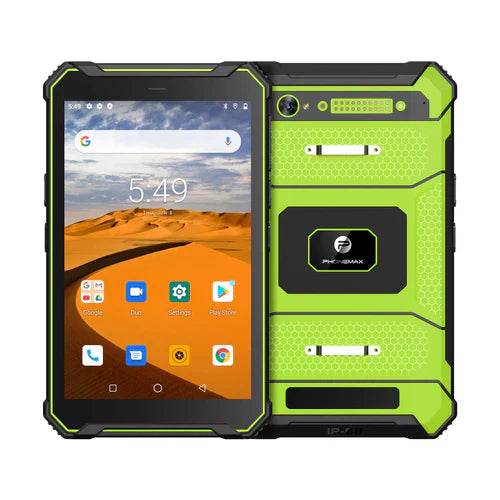
The Phonemax T1 listing describes an industrial rugged tablet with IP68/IP69K protection. It does not establish a corrosion-proof casing, a complete exposed-parts material schedule or a corrosion result for your installation. No such result is claimed in this guide.
Use the material-evidence checklist when a particular alloy is specified. Send Phonemax the installation drawing and exposure conditions so any proposed solution can be reviewed against the same assembly.

コメントを書く
全てのコメントは、掲載前にモデレートされます
このサイトはhCaptchaによって保護されており、hCaptchaプライバシーポリシーおよび利用規約が適用されます。