
When selecting a lower-cost rugged tablet, define the essential tasks before trading away requirements. A cheap unit that cannot run the required workflow is not an equivalent alternative. Separate non-negotiable outcomes from optional conveniences.
Rank requirements by consequence
| Priority | How to define it |
|---|---|
| Essential | The team cannot complete the required job if this fails |
| Conditional | Required only for an identified site, team or operating case |
| Convenience | Helpful, with an acceptable alternative already agreed |
| Unconfirmed | Needs supplier evidence or a sample evaluation before comparison |
Keep the complete setup in the comparison
Identify the device, required software and accessories for each offer. Ask which components are included. A lower device price does not establish a lower price for the working setup if the compared kits differ; no cost estimate is made here.
Use actual product versions
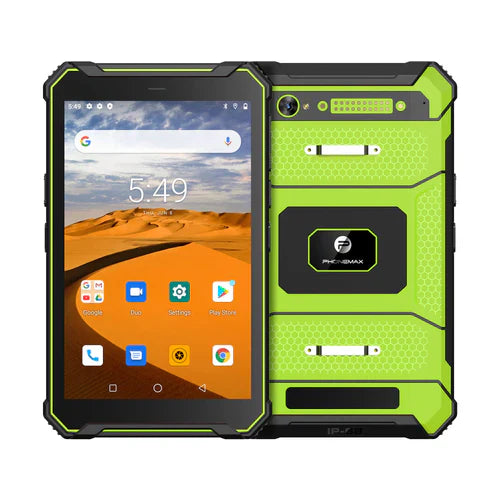
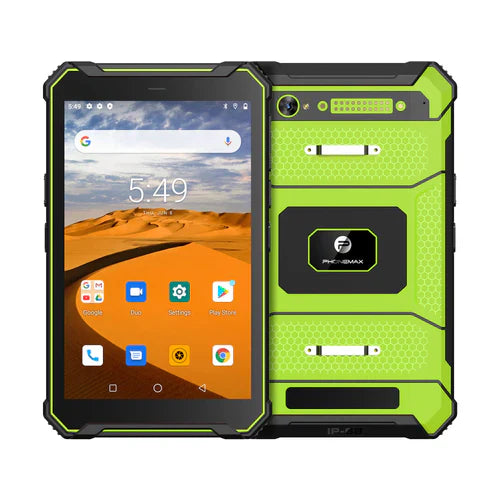
The T1 listing distinguishes Gray 6GB+128GB Android 16 and Green 8GB+128GB Android 10. Decide against the application's requirements instead of choosing on RAM alone. The N1 is positioned for navigation and roadbooks; that purpose should be relevant to the job before it enters the shortlist.
Review a proposed compromise
Record the requirement being changed, the person accepting the consequence and the task that must be checked again. If an essential requirement has no supported alternative, keep it open rather than marking the lower-cost offer equivalent.
Ask Phonemax for an identified configuration and included items. This is a prioritization method, not a current-price comparison, savings claim or guarantee that a product meets your budget and essential tasks.
Related guide: Rugged Tablet Procurement: Set Task-Time Acceptance Criteria.


Legg igjen en kommentar
Alle kommentarer modereres før de publiseres.
This site is protected by hCaptcha and the hCaptcha Privacy Policy and Terms of Service apply.