

After a wide-temperature phone specification is approved, a fleet still needs a way to identify field faults and configuration changes. Service history can explain a problem that a broad “−20°C to +60°C” label does not.
Record useful field observations
Log model and serial ID, firmware, battery age, environment, workload and the failure observed. Distinguish a call-service issue, app error, restart and input fault. Record charging and moisture conditions without guessing an internal temperature from the weather alone.
Compare with the approved limits
Check the manufacturer's declared operating and charging ranges and the original acceptance record. If the exposure or workload differs, request an engineering review. Avoid silently expanding a specification based on a few devices that appeared to work.
Review repair and updates
A replacement battery, display, enclosure or major software update can change the configuration. Keep the service part and repair record, and decide which acceptance tasks need repeating. Quarantine recurring faults under the team's approved process.
Current X5 scope
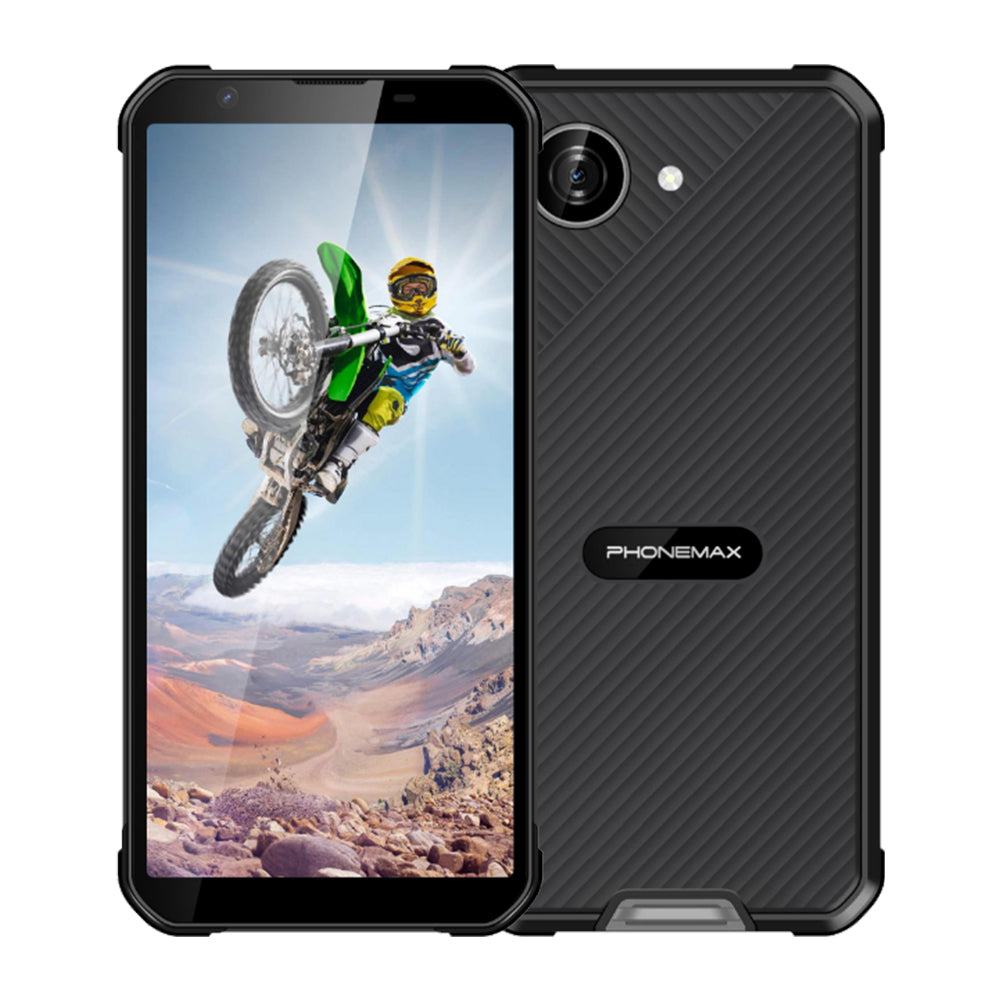
The X5 description states hardware and care facts but not a −20°C to +60°C operating range. It should not enter a fleet as a confirmed wide-temperature device without further evidence. Establish the supported limits first, then monitor whether real work remains within them.


Zostaw komentarz
Wszystkie komentarze są moderowane przed opublikowaniem.
Ta strona jest chroniona przez hCaptcha i obowiązują na niej Polityka prywatności i Warunki korzystania z usługi serwisu hCaptcha.