
A rugged Android phone may reference MIL-STD-810H, but that phrase alone does not tell a buyer which environmental procedures were performed, how severe they were or whether the tested unit matches the sale variant. Treat it as a request for a traceable test record.
Identify the procedures
Ask the supplier to name the methods and procedures relevant to the worksite: for example, a defined drop, vibration, temperature or humidity exposure. Request the test parameters, number of samples, pass criteria and report date. Do not interpret a general standard reference as a promise that every method was tested.
Trace the sample to the sale configuration
Check the tested housing, screen, battery, port cover, antenna and installed accessories. A different case or a larger battery can change impact behavior. Keep the model number, hardware revision and software build with the report and purchase order. Ask how later substitutions are reviewed.
Separate ingress from mechanical durability
IP dust and water ratings answer a different question from shock and vibration. If a phone must remain water resistant after a drop, request evidence for that sequence rather than assuming that two independent claims automatically combine. Define which functions must still work after the environmental exposure.
Current-model comparison
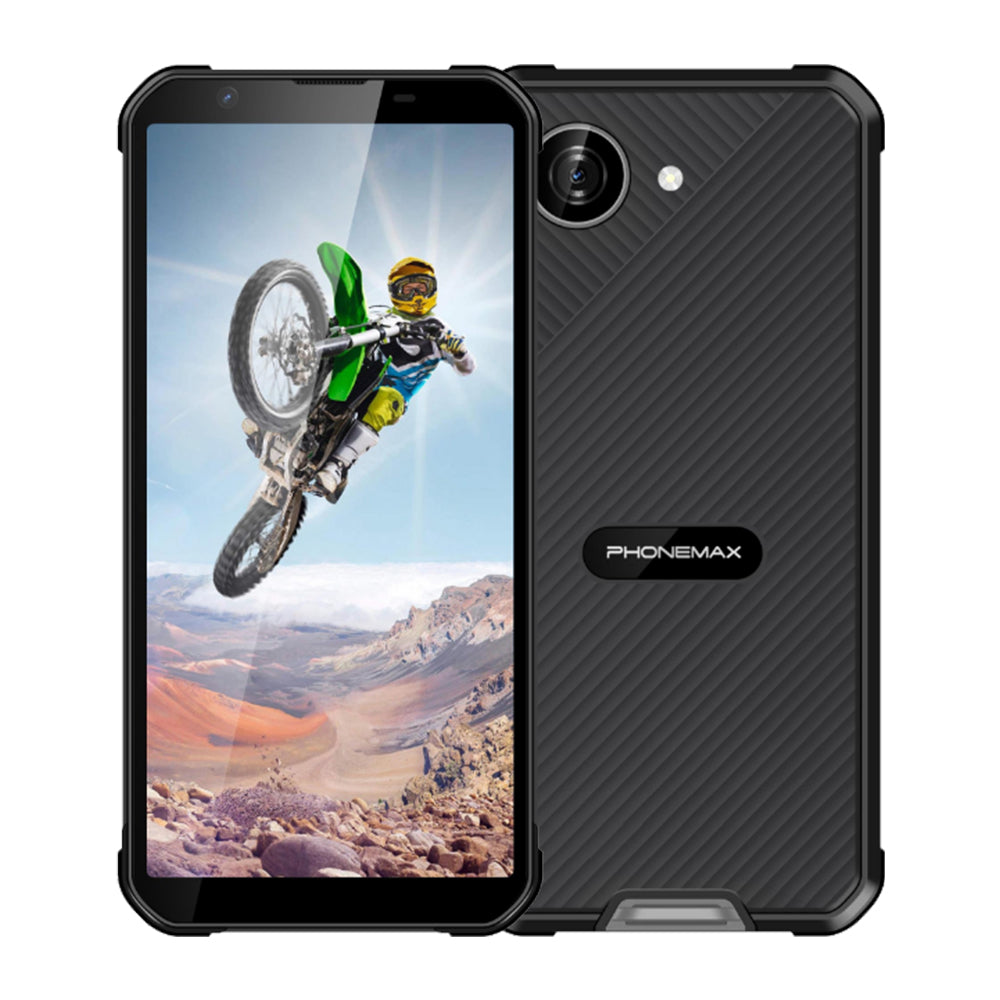
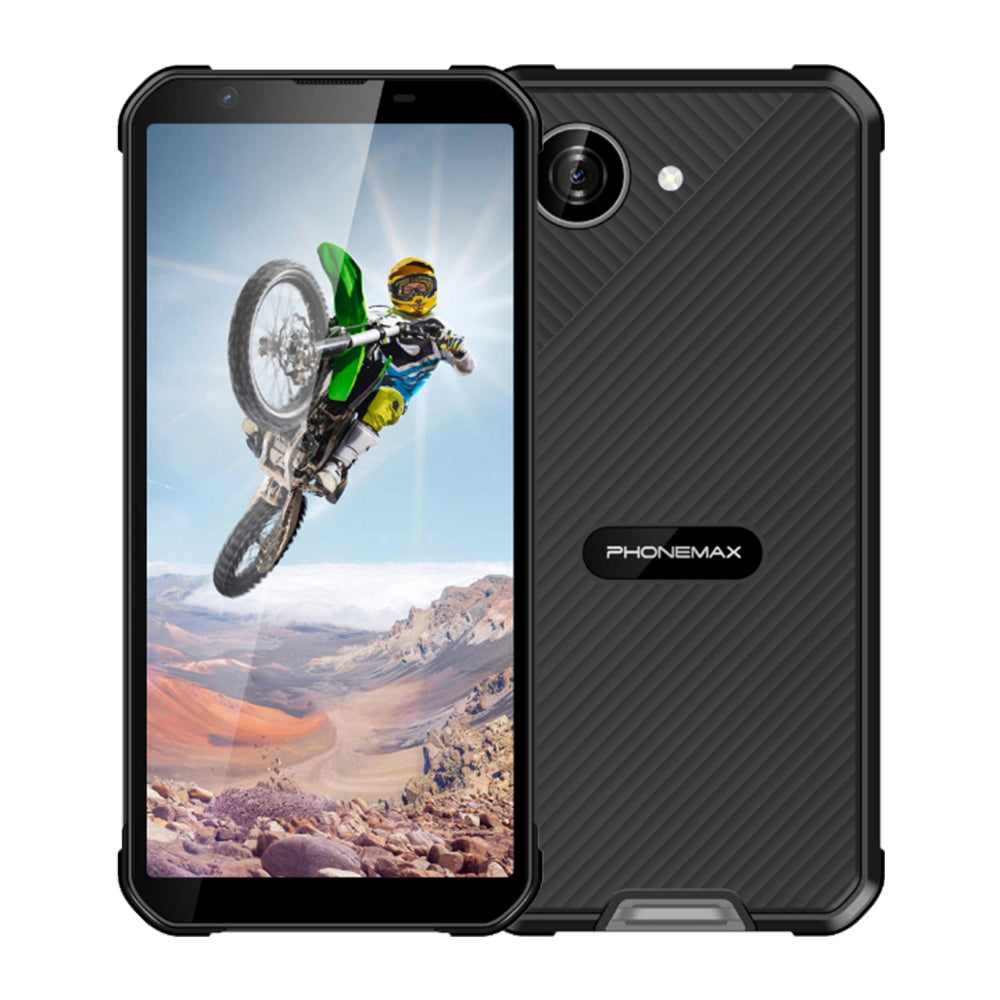
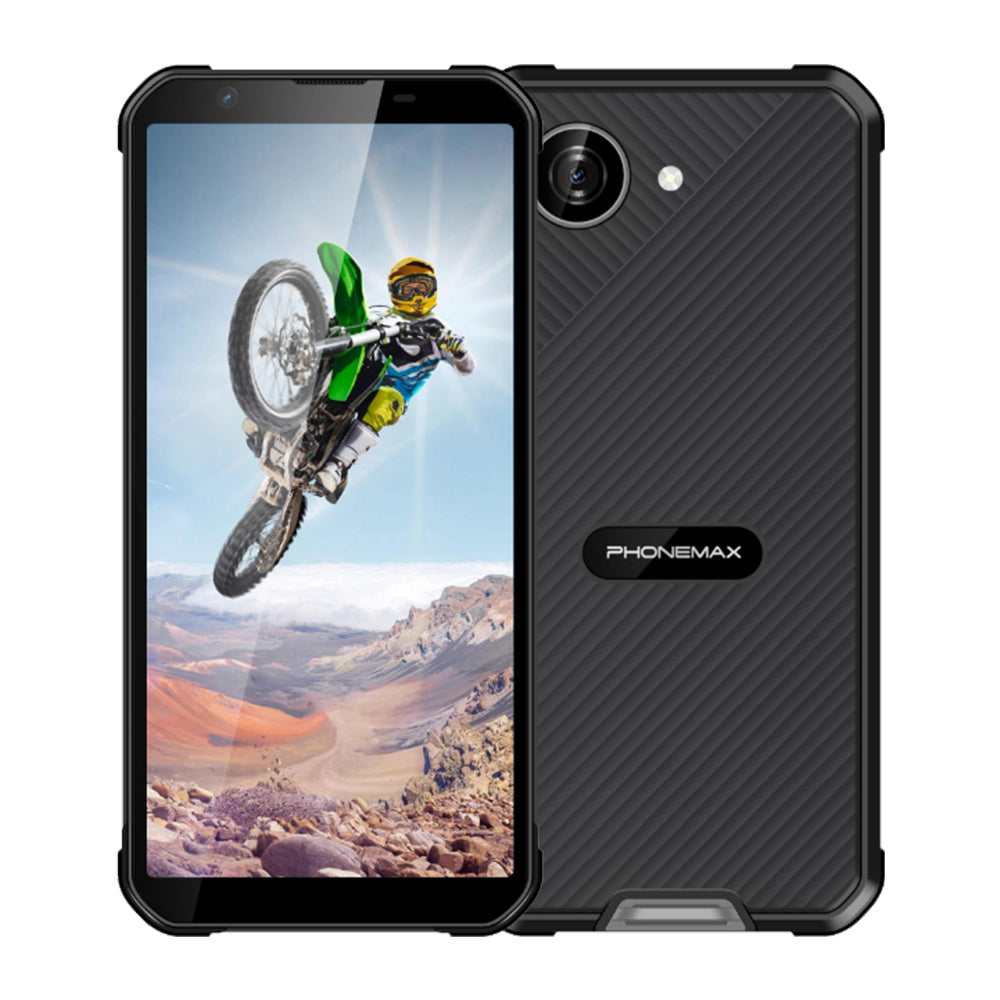
The Phonemax X5 listing provides current product facts such as a 5.3-inch display and IP68. Do not treat those facts as proof of an unspecified MIL-STD-810H procedure. Request the relevant report for the precise X5 variant if that standard is mandatory.
Approve the device based on named tests and the production sample, not on a generic “certified rugged” headline.

留言
所有留言在發布前都會經過審核。
此網站已受到 hCaptcha 保護,且適用 hCaptcha 隱私政策以及服務條款。